
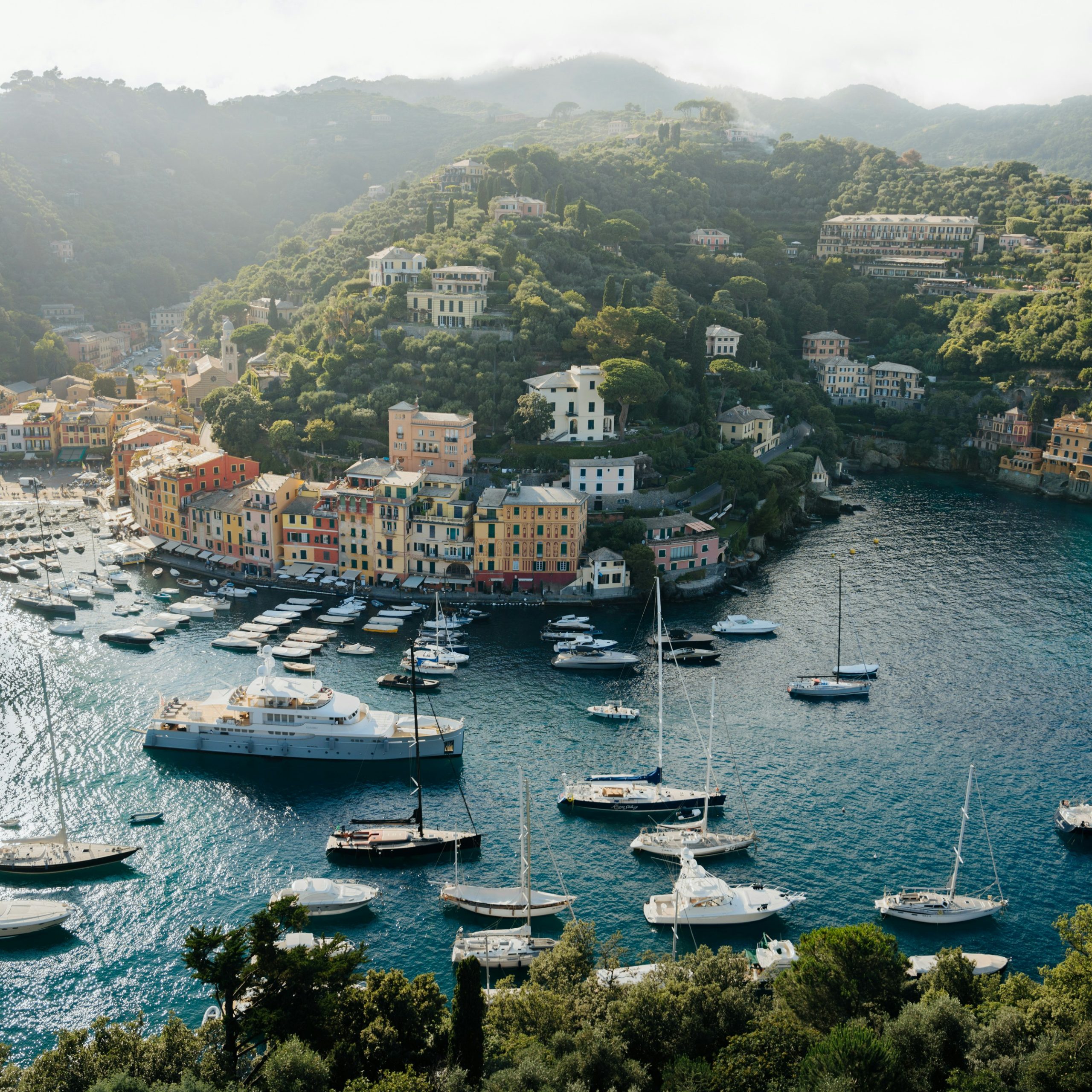
Europe’s most compelling destinations for 2026 are defined by how completely they deliver the experience of being away. These are places where arrival feels distinct, where movement through the destination shapes the stay, and where setting, access, and atmosphere work together rather than compete. Each location offers a clear sense of place, whether through coastline, elevation, enclosure, or contrast within a single landscape.
This selection moves beyond familiar narratives and surface appeal. The destinations included here stand out for their consistency places that remain engaging across different times of day, seasons, and styles of travel. From island interiors and waterfront towns to alpine lakes and historic cities, they offer experiences that feel considered, balanced, and grounded in their surroundings.
Together, they form a map of Europe that reflects a more intentional approach to travel in 2026. One that values proportion over excess, character over spectacle, and destinations that reward time spent rather than demand constant movement
Amalfi Coast
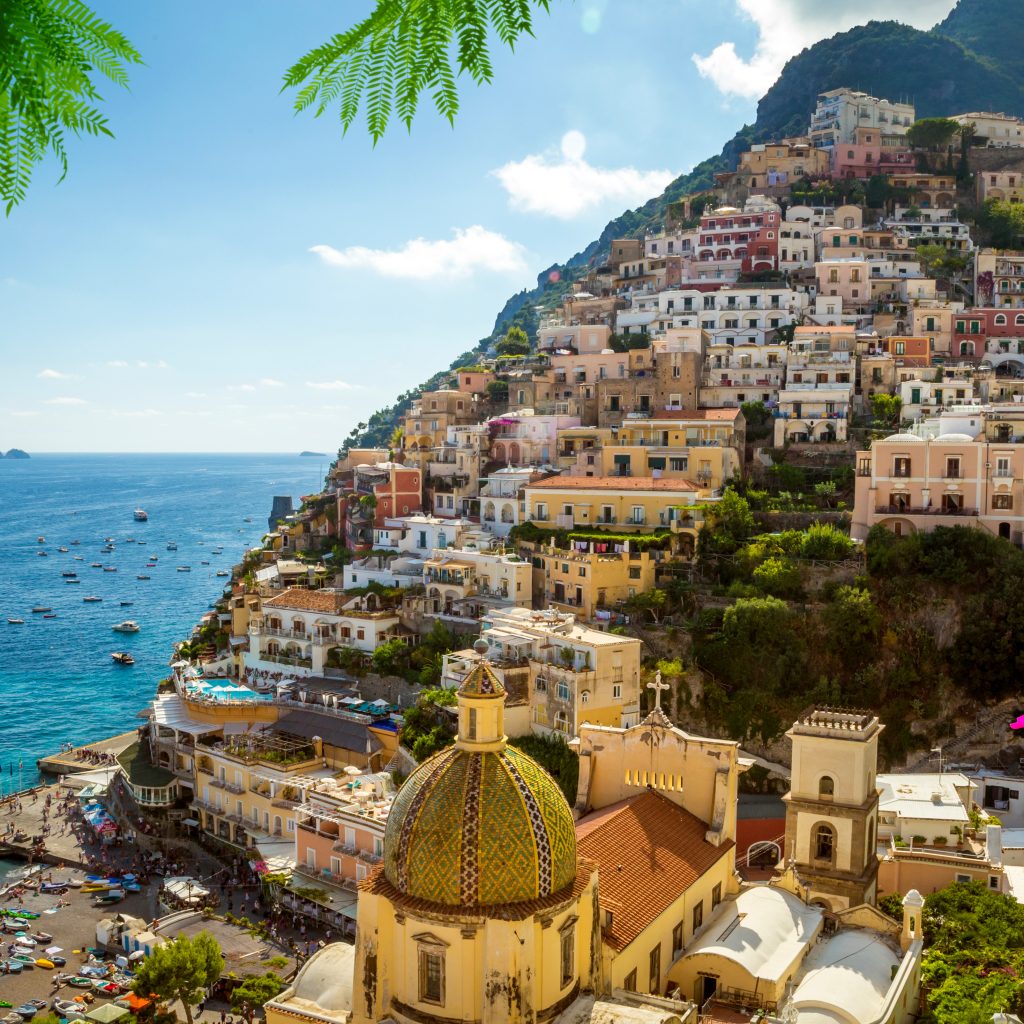
The Amalfi Coast occupies a narrow stretch of southern Italy where villages are embedded directly into steep coastal cliffs, creating one of the most visually concentrated landscapes in the Mediterranean. Towns such as Positano, Amalfi, and Ravello are arranged vertically rather than laterally, with homes, hotels, and terraces layered above one another and oriented toward the sea. This structure gives the coast its defining character: compact, dramatic, and constantly connected to water.
Getting around is part of the experience. The coastal road winds tightly along the cliffs, revealing successive viewpoints over coves, marinas, and terraced hillsides, while ferries provide a second perspective from the water. Positano’s beach clubs and boutiques sit at the base of steep stairways, Amalfi functions as a transport and historical hub with its cathedral square and harbour, and Ravello offers elevation, gardens, and panoramic viewpoints away from the shoreline. Each town delivers a distinct experience despite their close proximity.
Experiences extend well beyond scenery. Boat rentals allow access to hidden swimming spots and nearby islands, while inland trails such as the Path of the Gods reveal the coast from above. Dining ranges from casual seaside trattorias to refined cliffside restaurants, often paired with long views over the water. Evenings are social but restrained, centred on terraces, piazzas, and waterfront dining rather than nightlife, making the Amalfi Coast especially appealing for extended stays built around scenery, food, and slow exploration.
Things Not to Miss on the Amalfi Coast
1. Positano
Built vertically into the cliffside, Positano is shaped by staircases rather than streets, with linen-draped balconies and uninterrupted views over the Tyrrhenian Sea. Its pace shifts gently through the day, from quiet mornings above the beach to late afternoons along Spiaggia Grande, when the town begins to soften into evening.
2. Amalfi
The historic heart of the coast, Amalfi unfolds around its cathedral square, where daily life, architecture, and maritime legacy converge within a compact harbour setting. Its scale invites exploration without urgency, allowing the town’s layered identity to reveal itself naturally.
3. Atrani
Intimate and residential, Atrani remains one of the coast’s most grounded villages. Its central piazza, modest shoreline, and tightly woven streets create an atmosphere that feels lived-in rather than curated.
4. Path of the Gods (Sentiero degli Dei)
Carved into the mountains high above the sea, this legendary trail offers the Amalfi Coast at its most expansive. The walk connects sky, stone, and water, providing a perspective no road or shoreline can replicate.
5. Amalfi Cathedral (Duomo di Amalfi)
Rising above the town, the Duomo defines Amalfi’s skyline. Its façade, cloister, and interior reflect centuries of religious influence and Mediterranean craftsmanship, anchoring the town both visually and culturally.
6. Ravello
Set above the coastline, Ravello trades proximity to the sea for elevation and quiet. Its historic villas and gardens overlook the coast from afar, offering a more contemplative expression of Amalfi life.
7. Valle delle Ferriere Nature Reserve
Hidden inland from Amalfi, this protected valley introduces a striking contrast to the coast. Shaded paths, waterfalls, and rare plant life create a cooler, slower landscape shaped by elevation and constant moisture.
8. Grotta dello Smeraldo
Accessible only from the water, this sea cave is known for its natural emerald glow, created as sunlight filters through submerged openings beneath the surface.
9. Sorrento
Perched above the Bay of Naples, Sorrento balances historic streets with broad views toward Mount Vesuvius. It serves as both a destination in its own right and the northern gateway to the Amalfi Coast.
10. Museo della Carta
Housed in a former paper mill, the museum preserves Amalfi’s centuries-old paper-making tradition, once central to the town’s economy and exported across Europe.
11. Coastal Villages: Minori, Praiano, Cetara
Each village introduces a different dimension of the coast — Minori’s Roman roots, Praiano’s quieter coastal rhythm, and Cetara’s fishing culture tied to anchovies and colatura.
12. Boat Travel Along the Coast
Experiencing the Amalfi Coast from the sea reveals its true scale: villages stacked vertically, cliffs rising sharply from the water, and hidden coves inaccessible by road.
Best beaches and Coastal areas in Amalfi Coast
1. Spiaggia di Positano Marina Grande
2. Fiordo di Furore
3. Marina di Cetara
4. Santa Croce
5. Spiaggia Arienzo
6. Fornillo Beach
7. Bagni Regina Giovanna
8. Marina di Praia
9. Spiaggia di Maiori
10. Vietri sul Mare
11. Gavitella Beach
12. Grotta dello Smeraldo
Portofino
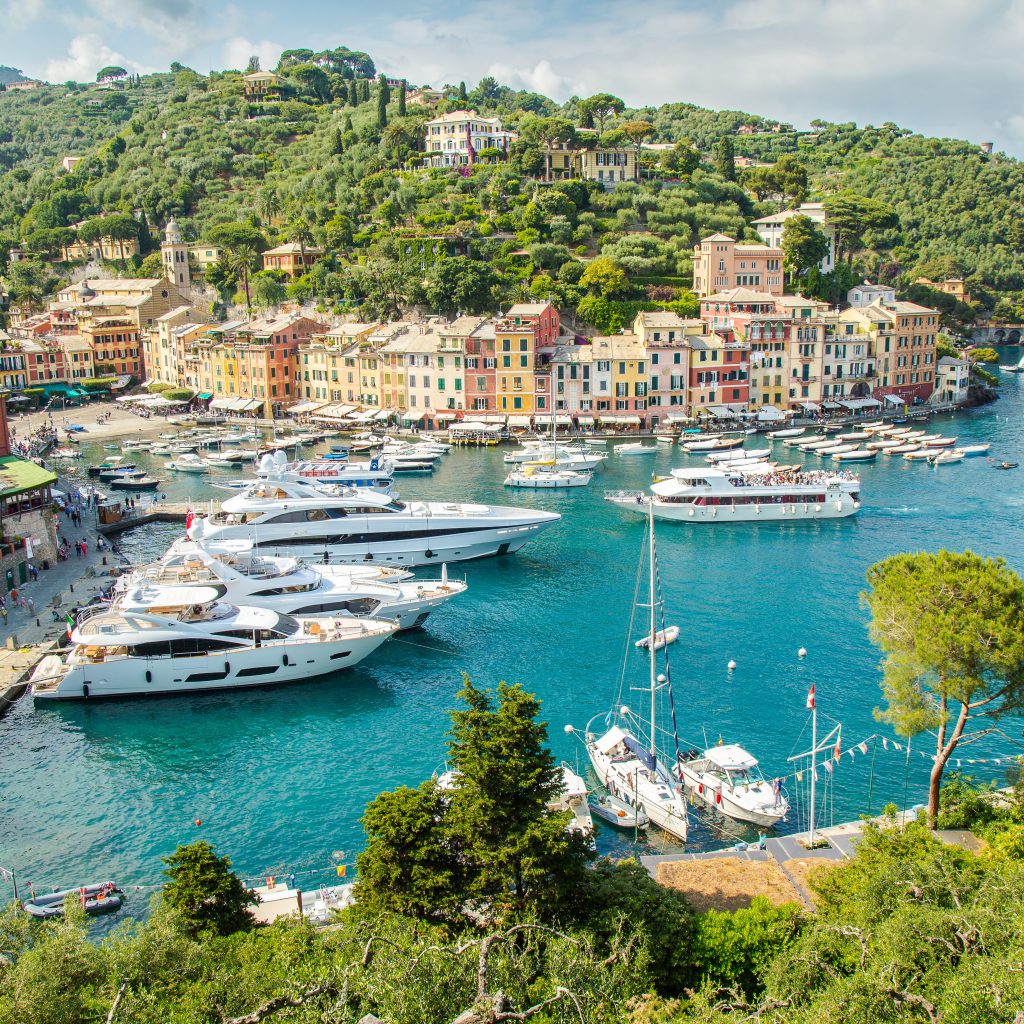
Portofino is defined by its scale. Set around a small, protected harbour on the Ligurian coast, the village consists of a single curved waterfront framed by tightly packed buildings in muted pastels. There are no large beaches or sprawling districts; instead, Portofino’s appeal lies in its contained setting, where restaurants, cafés, and boutiques are concentrated within a few minutes’ walk.
The surrounding landscape expands the experience beyond the harbour. Footpaths and stairways climb into the Portofino Regional Park, connecting the village to forested trails, panoramic viewpoints, and historic sites such as the Church of San Giorgio and Castello Brown. From the water, boats link Portofino to nearby destinations including San Fruttuoso Abbey, a secluded cove accessible primarily by sea or hiking trail, reinforcing the area’s reliance on maritime movement.
Portofino’s atmosphere is polished and understated. Days are typically spent between waterfront dining, short coastal walks, and swimming stops reached by boat. Shopping is limited but curated, and evenings focus on relaxed dinners overlooking the harbour rather than entertainment-driven nightlife. The destination suits those seeking a refined coastal escape where visual harmony, natural setting, and discretion take priority over variety or scale.
Things You Must Not Miss in Portofino
1. Marina di Portofino
The harbour is the visual and social core of the village. Fishing boats, private vessels, and waterfront cafés share the same sheltered water, creating a scene that defines daily life in Portofino.
2. Piazzetta di Portofino (Piazza Martiri dell’Olivetta)
Set directly on the water, the Piazzetta functions as the village’s central gathering point. It is where mornings begin quietly and evenings unfold without urgency.
3. Faro di Portofino (Portofino Lighthouse)
Reached by a walking path through pine trees, the lighthouse marks the outer edge of the peninsula. The viewpoint offers uninterrupted views across the Ligurian Sea and a clear sense of distance from the harbour below.
4. Castello Brown
Positioned above the village, this former defensive structure provides a layered view over the bay and surrounding hills. Its terraces connect Portofino’s strategic past with its present-day landscape.
5. Portofino Regional Park
Encircling the village, the park introduces walking trails that move through forested hills and along the coastline. It reveals the scale of Portofino beyond the harbour.
6. Area Marina Protetta di Portofino
The protected marine area preserves the underwater landscape surrounding the peninsula. Clear waters and rocky seabeds reflect the region’s long relationship with the sea.
7. Baia di Paraggi
Located just outside the main harbour, Paraggi offers a softer shoreline and calmer swimming conditions, framed by greenery and shallow water.
8. Abbazia di San Fruttuoso
Accessible only by boat or on foot, this secluded medieval abbey sits between forest and sea. Its isolation and setting make it one of Liguria’s most distinctive coastal sites.
9. Museo del Parco
An open-air museum integrated into the surrounding landscape, featuring contemporary sculptures positioned along walking paths above the harbour.
10. Boat Travel Along the Coast
Viewing Portofino from the water reveals its true form — a compact village set within a protective curve of land, framed by cliffs and greenery.
11. Santa Margherita Ligure
A larger neighbouring town with a more residential character, offering broader promenades and a different rhythm of coastal life.
12. Camogli
Further along the coast, Camogli introduces a working fishing town atmosphere, known for its long seafront and strong maritime identity.
Best beaches and Coastal areas in Portofino
1. Paraggi Beach
2. San Fruttuoso Beach
3. Baia Cannone
4. Santa Margherita Ligure Beach
5. Camogli Beach
6. Baia del Silenzio (estri Levante)
7. Monterosso Beach (Cinque Terre)
8. Zoagli Beach
9. Portofino Waterfront
10. Baia di San Fruttuoso
French Riviera
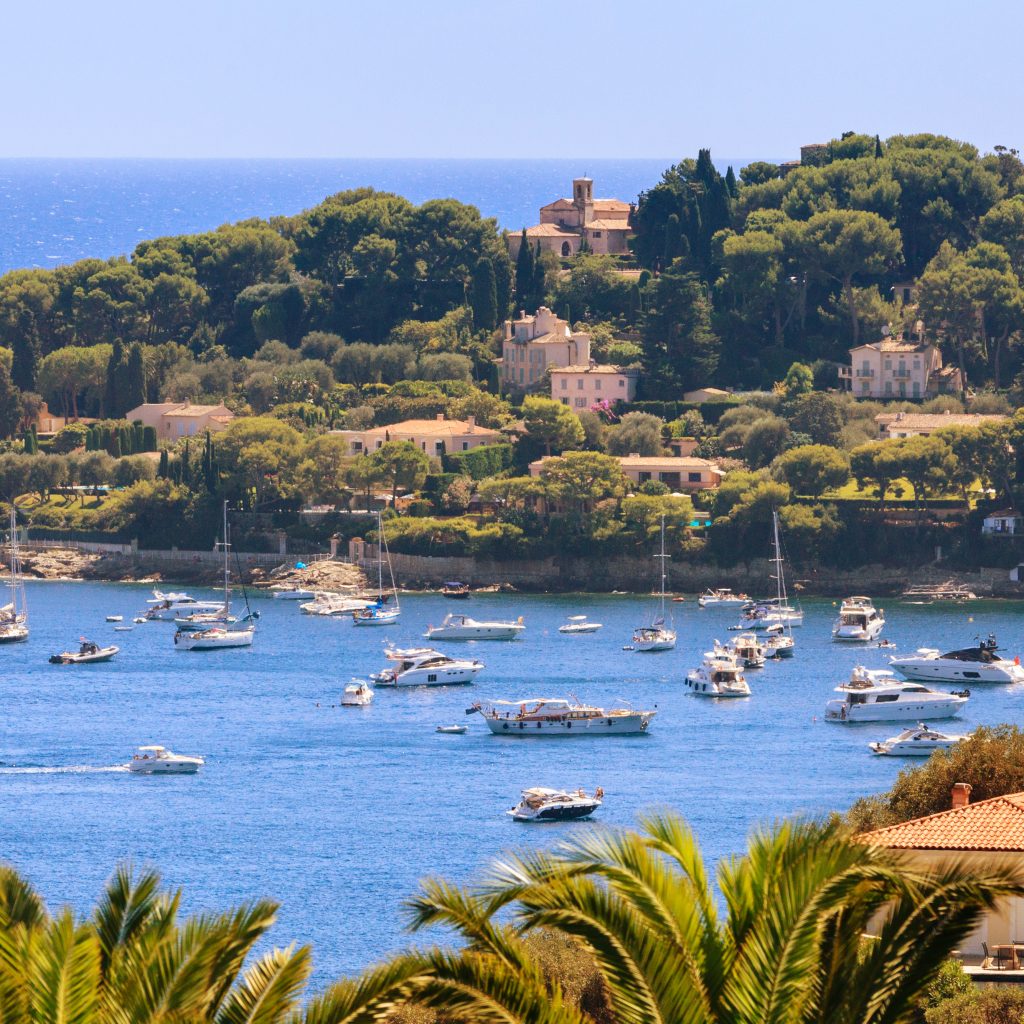
The French Riviera stretches along France’s southeastern Mediterranean coast, forming a continuous yet varied sequence of seaside towns, cities, and hillside communities. Rather than functioning as a single destination, the Côte d’Azur operates as a network of distinct locations, each offering a different balance of coastline, culture, and social energy. From Nice and Antibes to Cannes and Menton, the region combines urban waterfronts with residential promenades and historic centres.
Movement along the Riviera is seamless. Coastal rail lines and roads allow easy transitions between towns, while hillside routes lead inland to quieter villages overlooking the sea. Beach access varies widely, ranging from public pebble beaches and promenades to managed beach clubs attached to hotels and restaurants. This variety allows stays to be shaped around personal preference, whether focused on swimming, dining, or city-based exploration.
Experiences across the Riviera are diverse but cohesive. Mornings may involve markets or seaside walks, afternoons shift between beaches and cultural venues, and evenings unfold through dining, events, and nightlife depending on location. Cannes offers a more formal, event-driven atmosphere, Nice balances urban life with beach access, and smaller towns provide calmer settings without isolation. The French Riviera appeals to those seeking flexibility, social variety, and coastal sophistication within a compact geographic area.
Things Not Miss on the French Riviera
1. Nice
Serving as the Riviera’s cultural and geographic anchor, Nice blends grand seafront architecture with a dense Old Town. Daily life moves between the Promenade des Anglais, food markets, and viewpoints overlooking the Baie des Anges.
2. Monaco
Compact and meticulously structured, Monaco is defined by vertical architecture, marinas, and tightly organised urban space. Its scale allows sea, city, and infrastructure to coexist within a carefully controlled environment.
3. Cannes
While globally associated with cinema, Cannes also reveals itself through its long waterfront, offshore islands, and historic quarter above the port. The town balances international visibility with quieter neighbourhoods beyond the Croisette.
4. Antibes
Encircled by ancient ramparts, Antibes maintains a strong maritime identity. Its old town, harbour, and coastal paths create continuity between historical structure and contemporary coastal life.
5. Saint-Tropez
Defined by seasonal rhythm, Saint-Tropez moves between market mornings, beach afternoons, and evenings within narrow streets. Beyond the centre, the surrounding peninsula preserves open coastline and less developed coves.
6. Menton
Situated near the Italian border, Menton is known for its gardens, colour palette, and relaxed pace. The town reflects a quieter Mediterranean character shaped by light, citrus cultivation, and hillside terrain.
7. Èze
Built into a cliff above the sea, Èze offers one of the Riviera’s most elevated perspectives. Its stone pathways and terraced gardens emphasise separation from the coastline below.
8. Lérins Islands
Located just offshore from Cannes, the islands introduce stillness and distance. Forest trails, clear water, and historic structures contrast sharply with the mainland’s pace.
9. Saint-Jean-Cap-Ferrat
A narrow peninsula defined by villas and landscaped gardens, Cap-Ferrat reflects the Riviera’s relationship with architecture, private estates, and controlled coastal access.
10. Corniche Roads
The Grande, Moyenne, and Basse Corniches connect towns through elevation and curvature, offering changing views of coastline, villages, and sea at every turn.
11. Art and Architecture Along the Coast
Museums, villas, and studios scattered across the Riviera reflect its long connection to artists, designers, and creative communities drawn to its light and setting.
12. Boat Travel Along the Riviera
Seen from the water, the Riviera reveals its structure — headlands, harbours, beaches, and towns unfolding in sequence rather than isolation.
Best beaches and Coastal areas in French Riviera
1. Plage des Marinières (Villefranche-sur-Mer)
2. Plage du Midi (Cannes)
3. Larvotto Beach (Monaco)
4. Plage de la Garoupe (Cap d’Antibes)
5. Plage de Pampelonne (Saint-Tropez)
6. Paloma Beach (Saint-Jean-Cap-Ferrat)
7. Plage d’Argent (Porquerolles)
8. Île Sainte-Marguerite Beaches
9. Calanque d’En-Vau
10. Plage de la Réserve (Nice)
11. Grande Plage (Juan-les-Pins)
12. Esterel Coast Coves
Mallorca
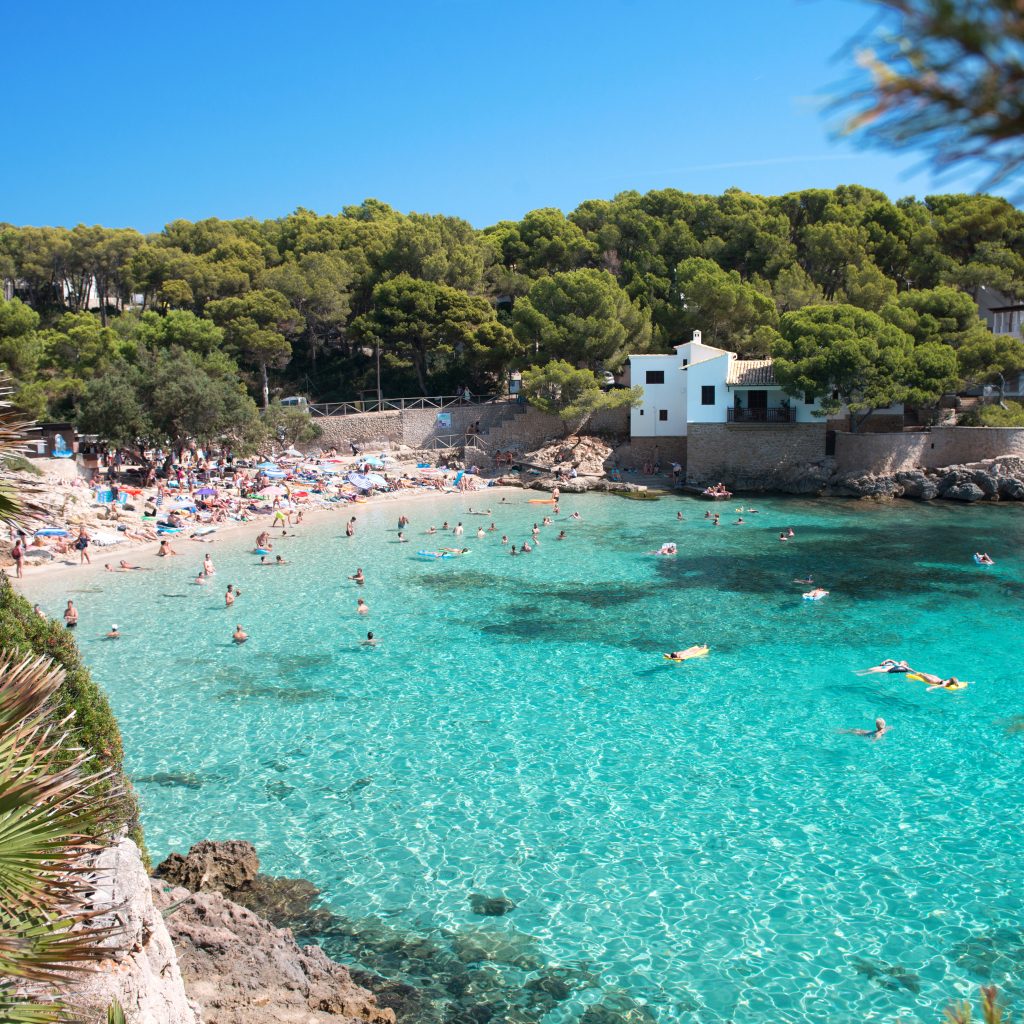
Mallorca is Spain’s largest Balearic island and one of its most geographically varied, combining long Mediterranean coastlines with a mountainous interior shaped by the Serra de Tramuntana. The island’s scale allows for clear separation between beach resorts, historic towns, agricultural valleys, and high-altitude villages, giving Mallorca a sense of breadth uncommon among island destinations.
Movement across the island reveals this diversity quickly. Coastal areas such as Cala d’Or and Port de Sóller offer direct access to swimming coves and marinas, while inland routes lead through olive groves, vineyards, and stone-built villages like Deià and Valldemossa. Palma acts as both a cultural and logistical centre, blending Gothic architecture, contemporary dining, and waterfront promenades within easy reach of the rest of the island.
Experiences are shaped by choice rather than limitation. Days can alternate between boat excursions along calas with clear, shallow water and drives through mountain passes overlooking terraced hillsides. Dining ranges from seaside seafood restaurants to inland farm-to-table kitchens rooted in local produce. Evenings tend to remain relaxed and social, focused on open-air dining and town centres rather than nightlife, making Mallorca particularly suited to longer stays with varied itineraries.
Things Not to Miss in Mallorca
1. Catedral-Basílica de Santa María de Mallorca (La Seu)
Anchoring Palma’s waterfront, La Seu reflects the island’s historical importance within the Mediterranean. Its Gothic scale, proximity to the sea, and carefully integrated modern interventions give the cathedral both presence and restraint.
2. Castell de Bellver
Set above Palma within pine forest, this rare circular castle provides context rather than spectacle. From its upper level, the city, port, and coastline are read as a single composition.
3. Palma Old Town
A network of narrow streets, interior courtyards, and layered architecture, Palma’s historic centre reveals Roman, Moorish, and Catalan influences that continue to shape daily life.
4. Serra de Tramuntana
This UNESCO-listed mountain range defines Mallorca’s interior. Terraced landscapes, dry-stone walls, and villages such as Deià, Valldemossa, and Sóller reflect centuries of adaptation to terrain and climate.
5. Valldemossa
Quietly set within the mountains, Valldemossa is known for its monastic past and preserved urban fabric. The village feels lived-in rather than curated, maintaining a strong sense of continuity.
6. Deià
Long associated with artists and writers, Deià balances creative heritage with geographic drama. Its position between mountain and sea gives the village a distinctly introspective character.
7. Fundació Pilar i Joan Miró
Mallorca played a defining role in Joan Miró’s later life. The foundation preserves his studios and working spaces, offering insight into how the island shaped his artistic language.
8. Mercat de l’Olivar
A functioning market at the heart of Palma, Mercat de l’Olivar reflects local food culture without performance. Seasonal produce and everyday rituals dominate the space.
9. Cap de Formentor
At the island’s northern edge, the landscape becomes exposed and expansive. The experience is defined less by drama than by scale, distance, and silence.
10. Jardins d’Alfàbia
Located at the foot of the Tramuntana, these historic gardens combine Moorish water systems with Mediterranean planting, illustrating Mallorca’s long relationship with landscape design.
Best beaches and coastal areas in Mallorca
1. Cala Mondragó
2. Playa de Formentor
3. Cala Mesquida
4. Cala Agulla
5. Es Trenc
6. Cala Deià
7. Sa Calobra
8. Cala Llombards
9. Caló des Moro
10. Cala Torta
11. Cala Sa Nau
12. Cala Figuera
13. Cala Varques
14. Playa de Alcúdia
15. Playa de Muro
Ibiza
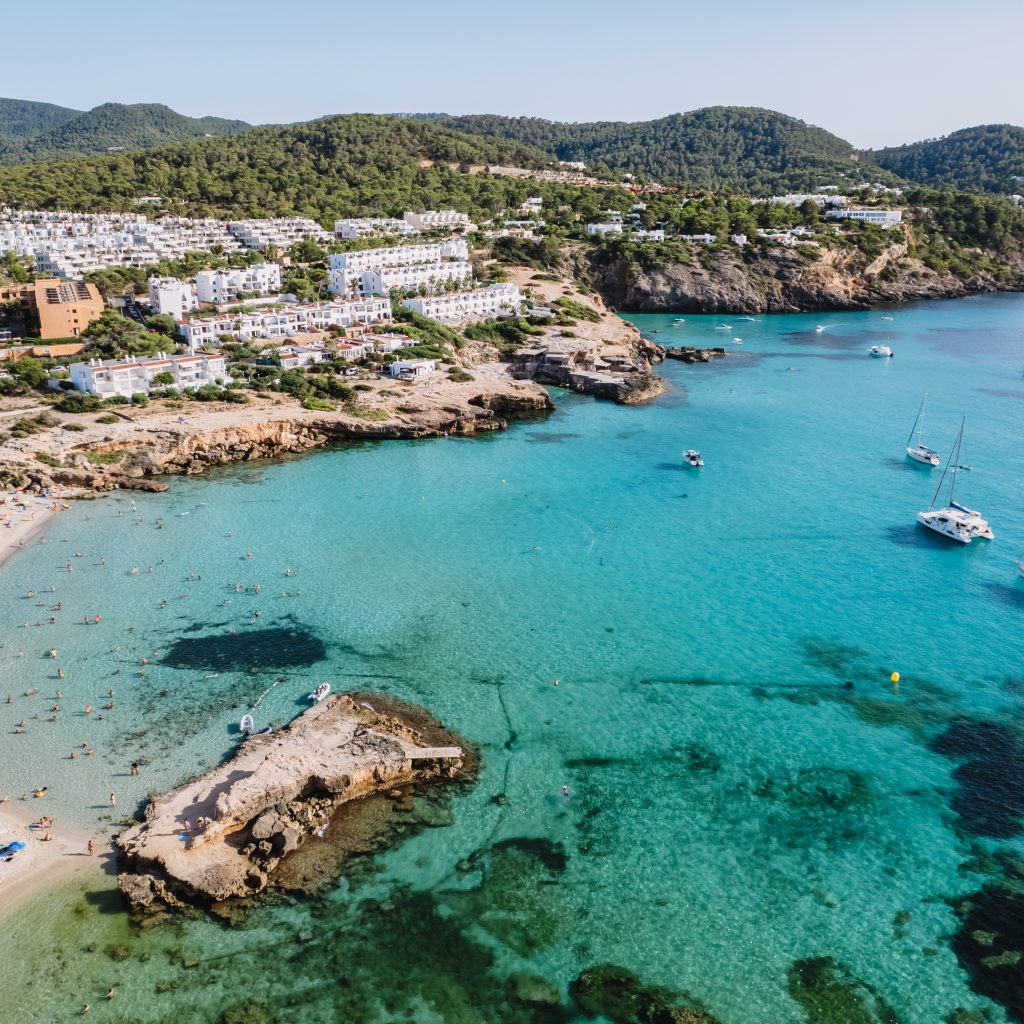
Ibiza is an island of contrast, structured around distinct zones that operate independently. The southern and eastern coasts host the island’s globally recognised nightlife scene, where large-scale beach clubs, open-air venues, and internationally known DJs shape a high-energy social environment that peaks during summer months. Areas such as Playa d’en Bossa and Ibiza Town concentrate this intensity, with venues positioned close to the shoreline and operating late into the night.
Away from these centres, the island changes character entirely. The north and interior remain largely rural, defined by pine forests, farmland, and small coves accessible via narrow roads or walking paths. Beaches such as Cala d’en Serra or Cala Xarraca offer clear water and minimal development, while inland fincas and retreat-style accommodations emphasise privacy and space. This quieter side of Ibiza operates independently of the island’s nightlife infrastructure.
The experience of Ibiza depends on how it is navigated. Days often begin calmly, with swimming, coastal walks, or inland drives, while social energy builds selectively in designated areas rather than across the island as a whole. This separation allows Ibiza to support both high-intensity stays centred on music and nightlife, and slower, more secluded trips focused on landscape, water access, and low-density surroundings without one intruding on the other.
Things Not to Miss in Ibiza
1. Dalt Vila
A UNESCO World Heritage Site, Dalt Vila rises above Ibiza Town as a fortified reminder of the island’s strategic past. Its stone walls, cathedral, and elevated walkways offer both historical continuity and expansive views across the port.
2. Castell d’Eivissa
Set within the upper city, the castle complex reflects centuries of defensive and civic evolution, reinforcing Ibiza’s importance as a Mediterranean stronghold.
3. Ibiza Old Town (La Marina & Sa Penya)
These historic districts below Dalt Vila reveal everyday island life through working harbours, narrow streets, and layered architecture shaped by trade and seafaring culture.
4. Es Vedrà
Rising sharply from the sea, Es Vedrà has become one of Ibiza’s most symbolic natural landmarks. Its presence is closely tied to mythology, spirituality, and the island’s magnetic identity.
5. Santa Eulària des Riu
Defined by its marina, cultural institutions, and measured pace, Santa Eulària presents a more structured and traditionally rooted side of Ibiza.
6. Puig de Missa
Overlooking Santa Eulària, this hilltop church complex reflects Ibiza’s religious and defensive past, offering insight into how communities balanced faith, security, and geography.
7. Las Dalias Market
One of Ibiza’s most enduring cultural institutions, Las Dalias represents the island’s creative and bohemian legacy, blending craftsmanship, music, and artistic expression.
8. Punta Arabí Hippy Market
As one of the island’s longest-running markets, Punta Arabí reflects Ibiza’s history as a creative refuge and cultural meeting point.
9. Es Amunts Natural Park
Covering much of northern Ibiza, this protected area preserves the island’s most untouched landscapes — pine forests, rugged coastlines, and trails shaped primarily by nature.
10. Can Marca Caves
Located near Port de Sant Miquel, these caves reveal Ibiza’s geological depth and lesser-known histories, once used by smugglers navigating the island’s coastline.
11. Ibiza’s Electronic Music Legacy
Ibiza’s influence on global music culture is inseparable from its identity. Venues such as Pacha, Amnesia, and Ushuaïa have shaped decades of sound, attracting artists and audiences from across the world. The experience centres on atmosphere and collective rhythm rather than spectacle.
12. Sunset Culture
Beyond nightlife, Ibiza’s evenings are defined by ritual. From coastal viewpoints to long-established sunset gatherings, the transition from day to night is treated as a shared moment rooted in place and timing.
Best beaches and coastal areas in Ibiza
1. Cala d’Hort
2. Cala Conta
3. Cala Bassa
4. Cala Jondal
5. Benirràs
6. Cala Gració
7. Cala Gracioneta
8. Cala Llenya
9. Cala d’en Serra
10. Cala Carbó
11. Cala Codolar
12. Cala Boix
Marbella
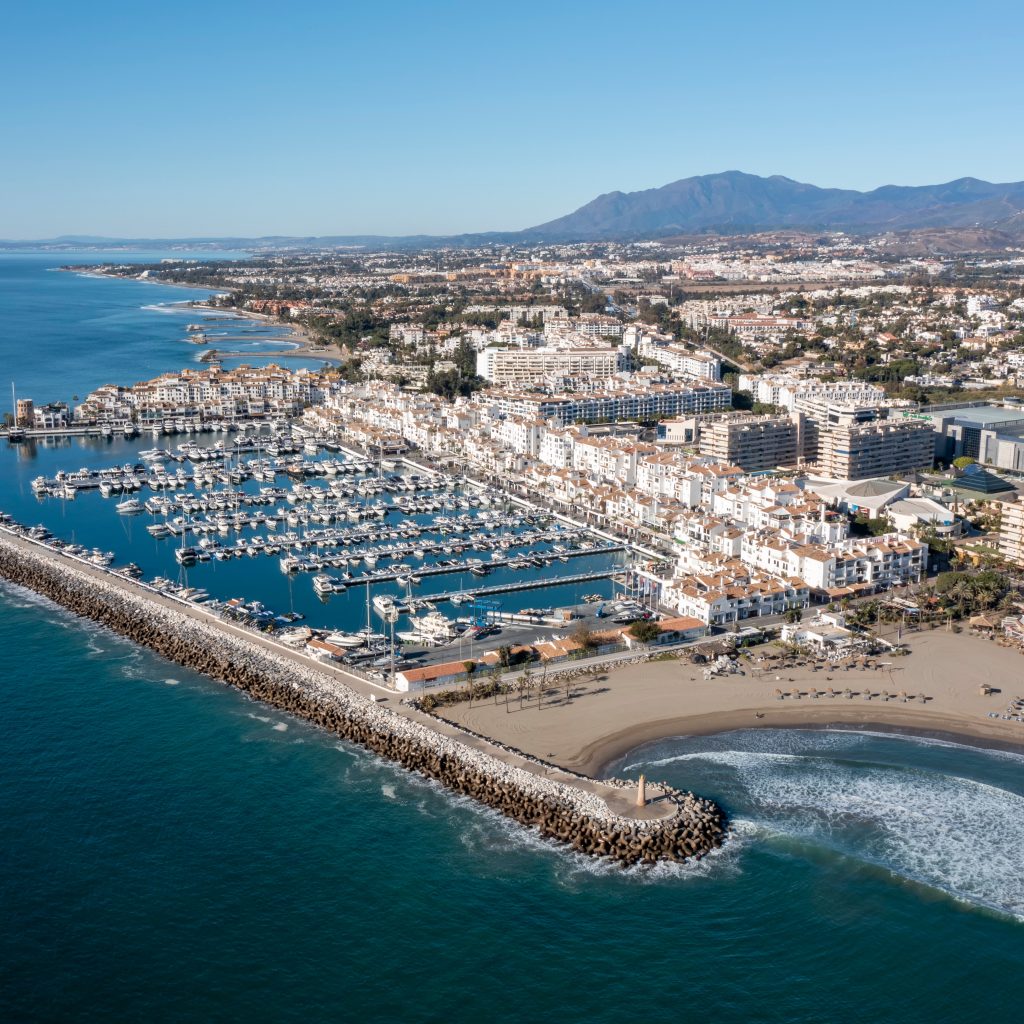
Marbella sits along Spain’s Costa del Sol, positioned between the Mediterranean Sea and the foothills of the Sierra Blanca mountains. Rather than functioning as a single focal point, the destination is organised into interconnected zones that combine beachfront development, residential districts, and a compact historic centre. This structure gives Marbella a settled, lifestyle-oriented character rather than the feel of a short-term resort.
The coastline anchors much of the experience. Long promenades connect beaches, marinas, and dining areas, while Puerto Banús introduces a more polished, international atmosphere centred on luxury yachts, designer boutiques, and waterfront restaurants. Inland, golf courses and hillside neighbourhoods expand the setting, offering views back toward the sea and access to quieter surroundings without leaving the area.
Experiences in Marbella are steady and consistent. Beach clubs, outdoor lunches, and evening dining define the day, supported by a climate that encourages year-round outdoor living. The Old Town provides contrast through pedestrian streets, traditional squares, and late-night dining that extends well beyond sunset. Marbella suits those looking for a destination that feels established and comfortable, where coastal scenery, social life, and infrastructure work together without requiring constant movement.
Things Not to Miss in Marbella
1. Marbella Old Town (Casco Antiguo)
The historic core of the city remains its most authentic expression. Whitewashed façades, narrow streets, and small plazas reflect centuries of Andalusian urban life.
2. Plaza de los Naranjos
Dating to the 15th century, this central square anchors the Old Town and continues to function as one of Marbella’s key civic gathering points.
3. Iglesia de Nuestra Señora de la Encarnación
A prominent religious landmark combining Baroque architecture with earlier Islamic foundations, illustrating the city’s layered past.
4. Paseo Marítimo
Stretching along the coast, the promenade links neighborhoods, beaches, and daily routines, reinforcing Marbella’s close relationship with the sea.
5. Puerto Banús
More than a marina, Puerto Banús represents Marbella’s global profile — luxury retail, dining, nightlife, and high-density social energy concentrated around the harbour.
6. Golden Mile
Connecting Marbella to Puerto Banús, this coastal stretch defines the city’s resort identity, home to landmark hotels, villas, and established beach clubs.
7. Sierra Blanca & La Concha
Rising behind the city, these mountains provide hiking routes and panoramic views, offering a natural counterbalance to coastal life.
8. Dunas de Artola (Cabopino)
A protected dune system and coastal reserve where Marbella’s natural shoreline remains largely untouched.
9. Parque de la Alameda
A traditional Andalusian park near the Old Town, known for its ceramic benches, shaded paths, and quiet pace.
10. Museo Ralli
A contemporary art museum featuring Latin American and European works, contributing to Marbella’s understated cultural scene.
11. Golf Culture
With one of the highest concentrations of golf courses in Europe, golf plays a central role in Marbella’s international appeal and year-round lifestyle.
12. Nightlife & Beach Club Culture
Marbella’s social life is shaped around beach clubs, lounges, and late-night venues rather than mass clubbing. From sunset gatherings along the coast to high-profile destinations in Puerto Banús, nightlife here is polished, international, and closely tied to place.
Best beaches and coastal areas in Marbella
1. Nagüeles Beach
2. Ancón Beach
3. Venus Beach
4. Playa de la Bajadilla
5. Playa del Cable
6. Playa del Río Real
7. Playa de Alicate
8. San Pedro de Alcántara Beach
9. Playa Cabopino
10. Playa del Cortijo Blanco
11. Nueva Andalucía Beach
Santorini
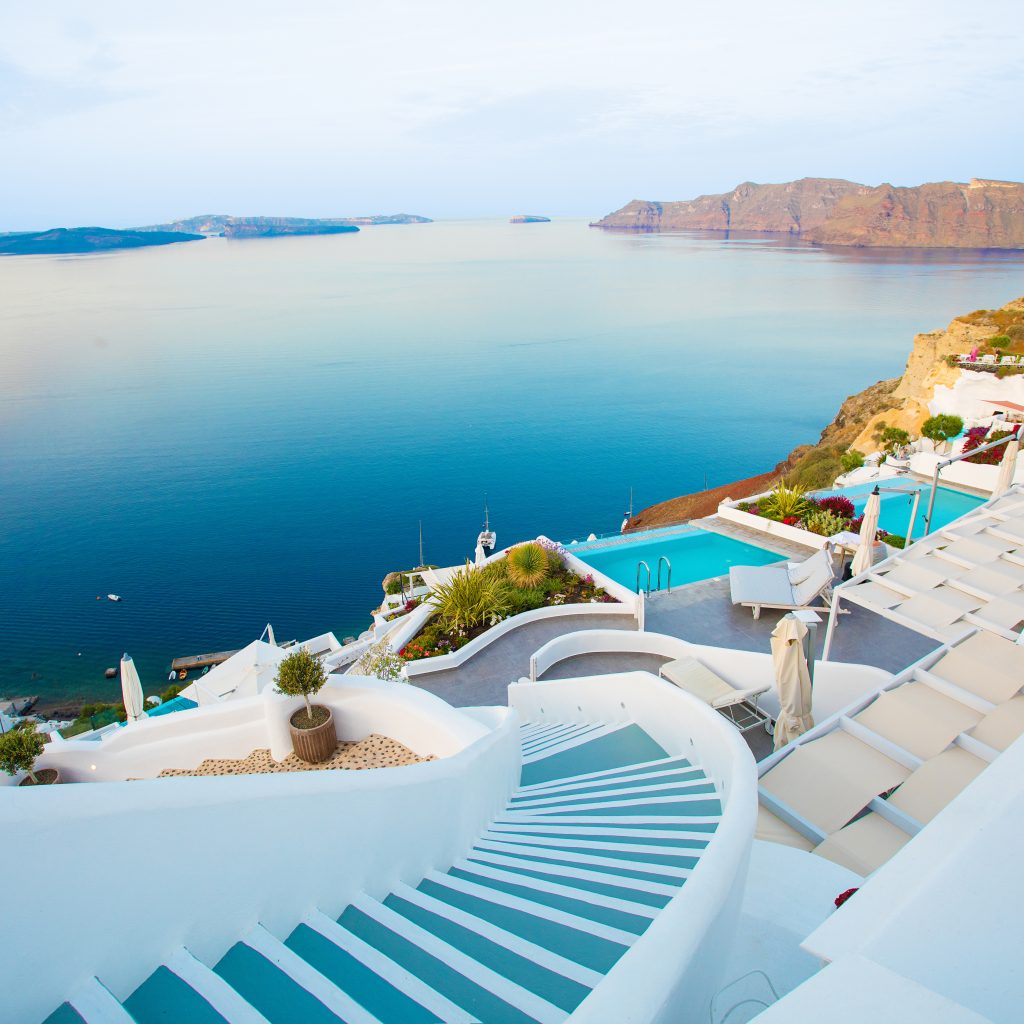
Santorini is defined by its volcanic caldera, a crescent-shaped cliff system formed by an ancient eruption that left villages suspended high above the Aegean Sea. Towns such as Fira, Imerovigli, and Oia are built directly along the rim, where architecture is oriented outward toward uninterrupted water views rather than inward toward streets or squares. This elevated layout gives the island its unmistakable visual identity and governs how space is used.
Movement across Santorini follows two parallel paths. Along the caldera edge, roads and walking routes connect viewpoints, terraces, and cliffside accommodations designed around private outdoor space. Away from the rim, the island opens into flatter terrain marked by vineyards, traditional villages like Pyrgos, and beaches shaped by volcanic sand in shades of black, red, and dark grey. These areas offer easier circulation and a different spatial rhythm from the caldera villages.
Experiences are centred on outlook and setting. Swimming and sailing take place below the cliffs, while afternoons are often spent between wineries, quiet inland towns, or along the caldera path linking Fira to Oia. Evenings gather naturally at west-facing terraces, where dining and sunset viewing merge into a single event. Santorini suits those drawn to strong visual impact paired with curated movement rather than constant exploration.
Things Not to Miss in Santorini
1. Fira to Oia Walk
A continuous cliffside route that traces the caldera’s edge, connecting villages through shifting perspectives of sea, rock, and light. Best experienced slowly, allowing the scale of the island to reveal itself gradually.
2. Three Bells of Fira
An architectural landmark emblematic of Santorini’s Cycladic identity, where form, colour, and horizon align in a single frame.
3. Skaros Rock
Once the island’s fortified capital, Skaros offers a descent into Santorini’s defensive past, paired with uninterrupted caldera views and raw volcanic terrain.
4. Pyrgos Kallistis
A hilltop village defined by quiet alleys and traditional structures, offering a grounded counterpoint to the caldera settlements and panoramic views across the island’s interior.
5. Akrotiri Archaeological Site
A preserved Bronze Age settlement buried beneath volcanic ash, revealing the sophistication of Santorini’s earliest urban life.
6. Museum of Prehistoric Thera
Located in Fira, the museum provides essential context to Akrotiri, displaying frescoes and artifacts that illuminate the island’s ancient civilisation.
7. Akrotiri Lighthouse
Positioned at the island’s southern edge, this viewpoint offers a wide, open sunset experience defined by horizon rather than crowd.
8. Santorini Wine Museum
Housed within a natural cave, the museum traces the island’s viticultural history shaped by volcanic soil, wind, and scarcity, with tastings centred on indigenous varieties.
9. Oia Village
Known for its sculptural layout and caldera views, Oia rewards unhurried exploration beyond sunset, through galleries, terraces, and residential paths.
10. Castle of Oia
The remains of a Venetian fortress marking the village’s edge, offering elevated views as light transitions from gold to deep blue.
11. Caldera Sunset from Fira
A more animated alternative to Oia, where the sunset unfolds alongside music, movement, and city life suspended above the sea.
12. Cliffside Nightlife in Fira
After dark, Fira becomes the island’s social centre. Lounges and bars carved into the caldera combine sound, elevation, and atmosphere without losing a sense of restraint.
Best beaches and Coastal areas of Santorini
1. Red Beach
2. Kamari Beach
3. Perissa Beach
4. Perivolos Beach
5. Armeni Beach
6. Gialos Beach
7. Kambia Beach
8. Agios Georgios Beach
9. Cape Columbo Beach
10. Monolithos Beach
11. White Beach
12. Vourvoulos Beach
13. Baxedes Beach
14. Exomitis Beach
15. Caldera Beach
16. Katharos Beach
17. Pori Beach
18. Mesa Pigadia Beach
19. Xiropigado Beach
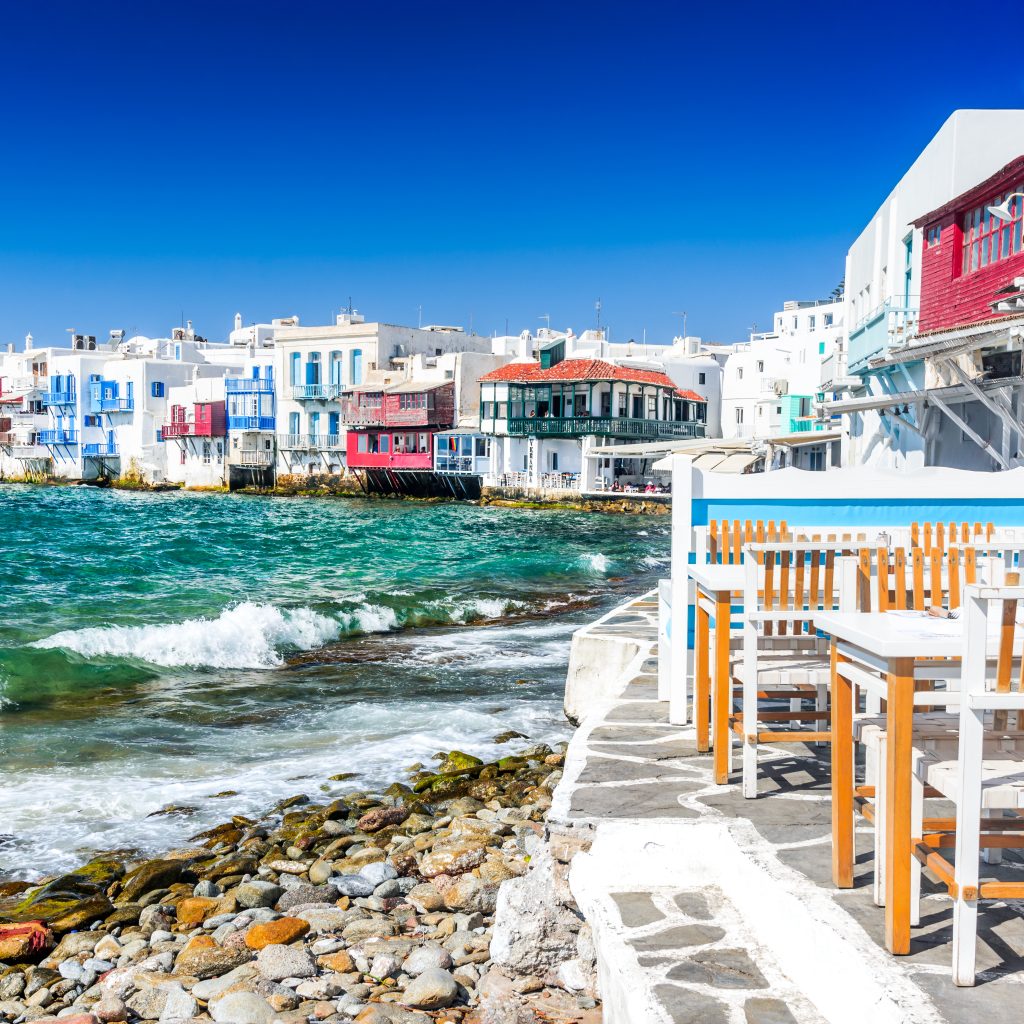
Mykonos
Mykonos is compact and highly exposed, shaped by low hills, open coastlines, and strong Meltemi winds that influence both climate and architecture. The island’s main town, Chora, concentrates whitewashed lanes, boutiques, restaurants, and nightlife into a dense, walkable centre, creating a setting where social life and daily movement overlap continuously.
Beyond the town, the island unfolds along short road networks that connect beaches and residential areas within minutes. The southern coast hosts the most developed beach clubs and swimming areas, while the north remains more rugged and open, with fewer services and a stronger sense of distance from the island’s social core. This proximity allows rapid shifts between high-energy environments and quieter shoreline settings.
Experiences in Mykonos are time-specific. Mornings are often reserved for beaches and swimming, with long lunches extending into afternoon social hours. As evening approaches, attention shifts back toward town and beach venues, where dining and nightlife operate late into the night. Mykonos appeals to those seeking an energetic, design-forward destination where intensity is part of the appeal and contrast is built into a small geographic footprint.
Things Not to Miss in Mykonos
1. Negrita Bar
A long-standing institution in Mykonos Town, known for sunset gatherings, music, and a naturally international crowd.
2. Cavo Tagoo Mykonos
An architectural landmark of modern Mykonian luxury, recognised for its sculptural design and caldera-facing views.
3. The Windmills (Kato Milli)
Historic symbols of the island’s past, offering elevated views over Chora and the Aegean.
4. Little Venice
A waterfront district where houses sit directly above the sea, best experienced during late afternoon and sunset.
5. Matoyianni Street
The commercial spine of Mykonos Town, blending global fashion with independent boutiques and galleries.
6. Church of Paraportiani
A sculptural religious complex formed from five merged chapels, reflecting Mykonos’ architectural heritage.
7. Jeep Tour of the Island
An effective way to explore rural interiors, traditional settlements, and lesser-known viewpoints.
8. Mykonos Vioma Organic Farm
A working farm offering insight into local agriculture, wine production, and traditional island life.
9. Rarity Gallery
A contemporary art space contributing to Mykonos’ cultural layer beyond nightlife and beaches.
10. Day Trip to Delos
A short boat journey to one of Greece’s most significant archaeological sites and a UNESCO World Heritage Site.
11. Armenistis Lighthouse
Located on the island’s northwest edge, offering expansive sea views and a quieter sunset experience.
12. Mykonos Nightlife Culture
From open-air clubs to intimate town bars, music and social energy remain central to the island’s identity.
Best beaches and Coastal areas of Mykonos
1. Paradise Beach
2. Psarou Beach
3. Paraga Beach
4. Elia Beach
5. Lia Beach
6. Kalo Livadi Beach
7. Platis Gialos Beach
8. Agrari Beach
9. Agios Stefanos Beach
10. Kalafatis Beach
11. Ornos Beach
12. Agios Sostis Beach
13. Super Paradise Beach
14. Panormos Beach
15. Kapari Beach
16. Fokos Beach
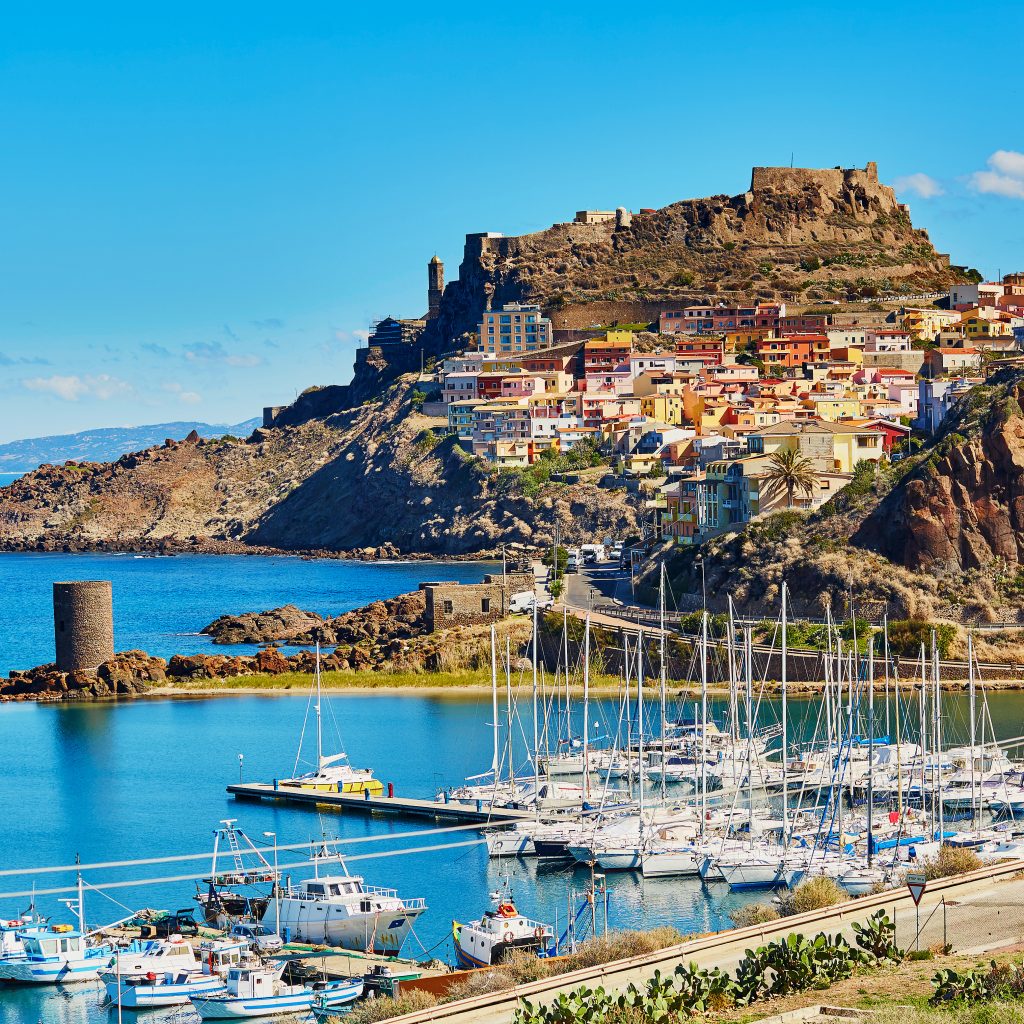
Sardinia
Sardinia is one of the Mediterranean’s largest islands, offering a sense of scale and variation that sets it apart from more compact coastal destinations. Its coastline spans hundreds of kilometres, ranging from expansive white-sand beaches and shallow turquoise water to rocky headlands and secluded coves accessible only by boat or long drives. The island’s size allows landscapes to remain open and uncrowded even during peak season.
Movement across Sardinia requires intention. Coastal roads connect resort areas and small harbour towns, while inland routes lead through mountainous terrain, grazing land, and historic villages that operate largely outside seasonal tourism. Areas such as the Costa Smeralda introduce a more polished, marina-led experience, while western and southern coasts feel broader and less curated.
Experiences are shaped by space and choice. Days often revolve around long beach stays, boat excursions, and extended outdoor lunches rather than packed itineraries. Inland, traditional dining and rural accommodation offer contrast without leaving the island. Sardinia suits those looking for clear water, natural scale, and a destination where movement feels expansive rather than compressed
Things Not to Miss in Sardinia
1. Cagliari
The island’s capital combines Roman ruins, medieval fortifications, and a living port city. The Castello district reflects Sardinia’s strategic and political history.
2. Bastione di Saint Remy
A major civic structure linking the historic upper city with modern Cagliari, offering panoramic views and architectural continuity.
3. Nora Archaeological Site
A coastal Phoenician and Roman settlement illustrating Sardinia’s early role in Mediterranean trade networks.
4. Alghero
A fortified coastal town shaped by Catalan rule, where language, architecture, and urban layout reflect a distinct cultural identity.
5. Bosa
A small riverside town defined by medieval origins, pastel architecture, and a slower pace tied closely to its landscape.
6. Oristano
An important historic center on the western coast, connected to Sardinia’s medieval governance and religious traditions.
7. Iglesiente Coast
A rugged southwestern coastline where dramatic cliffs intersect with remnants of the island’s mining and industrial past.
8. Porto Flavia & Nebida
Cliffside engineering works built for mineral transport, offering insight into Sardinia’s economic history and industrial heritage.
9. Gola di Gorropu
One of Europe’s deepest gorges, revealing the island’s geological scale and inland wilderness.
10. Nuoro
A cultural and intellectual center of central Sardinia, closely tied to literature, ethnography, and regional identity.
11. Sant’Antioco
An island off the southwest coast reflecting ancient settlement patterns, archaeology, and a quieter coastal lifestyle.
12. San Pietro & Carloforte
A Ligurian-founded community with its own language and culinary traditions, adding another cultural layer to Sardinia’s history.
Best beaches and Coastal areas in Sardinia
1. La Pelosa
2. Cala Brandinchi
3. Spiaggia di Tuerredda
4. Spiaggia Capriccioli
5. Spiaggia della Speranza
6. Spiaggia del Poetto
7. Nora Beach
8. Cala Mariolu
9. Spiaggia di Liscia Ruja
10. Cala dei Gabbiani
11. Cala Biriola
12. Spiaggia La Cinta
13. Porto Giunco
14. Cala Goloritzé
15. Spiaggia di Su Giudeu
16. Lu Impostu Beach
17. Spiaggia di Punta Molentis
18. Spiaggia Capo Coda Cavall
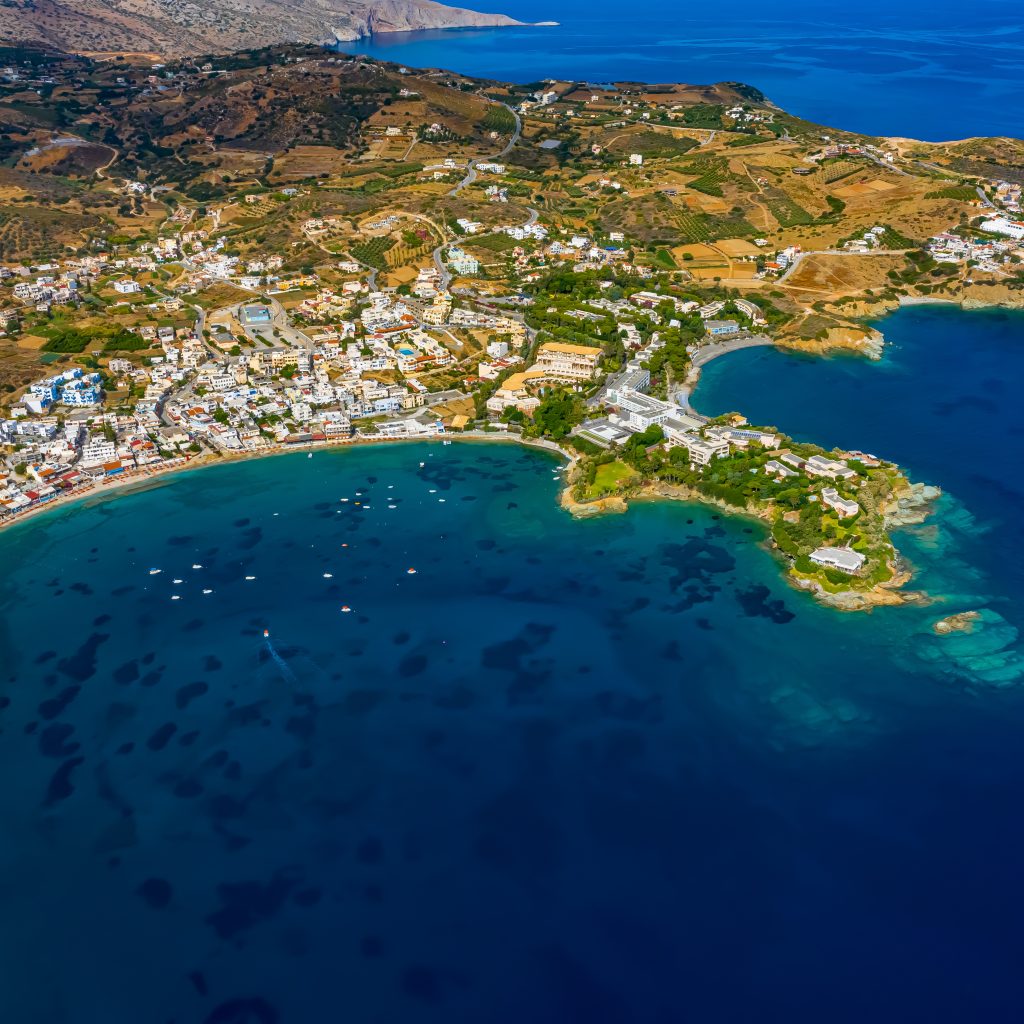
Crete
Crete is the largest Greek island and functions less as a single destination than as a collection of regions connected by long coastal roads and mountain corridors. Its northern coast hosts the island’s main cities and ports, including Chania, Rethymno, and Heraklion, where waterfront promenades, historic quarters, and beach access coexist within compact urban settings. These areas form natural bases for travel, offering immediate access to dining, accommodation, and transport.
Beyond the cities, the island opens dramatically. Western Crete is defined by white-sand beaches and shallow turquoise waters around areas such as Elafonissi and Falassarna, while the south remains quieter and less developed, with small villages, narrow roads, and beaches backed by open hills rather than resorts. Inland, mountain ranges cut across the island, shaping routes toward gorges, plateaus, and agricultural regions where olive groves and vineyards dominate the landscape.
Experiences on Crete are built around contrast and distance. Days may shift between extended beach time, long drives through changing terrain, and evenings spent in harbour towns or inland villages. Boat trips, hiking routes like Samaria Gorge, and coastal dining are integrated naturally rather than scheduled tightly. Crete suits those who want flexibility and variety within a single trip, where scale allows space to explore without repetition.
Things Not to Miss in Crete
1. Knossos Palace
The most important archaeological site in Crete and the center of Minoan civilization, defining the island’s early political and cultural influence.
2. Heraklion Archaeological Museum
Home to one of the world’s most significant collections of Minoan artifacts, providing essential historical context to Knossos.
3. Old Venetian Port of Chania
A defining landmark of western Crete, known for its lighthouse, layered architecture, and enduring maritime character.
4. Chania Old Town
A dense urban fabric shaped by Venetian, Ottoman, and Greek influence, where markets, homes, and public life coexist.
5. Arkadi Monastery
A national symbol of Cretan resistance and sacrifice, deeply tied to the island’s modern history.
6. Rethymnon Old Town
An elegant historic center combining Venetian architecture with an active local population and university presence.
7. Venetian Fortezza (Rethymnon)
A strategic fortress overlooking the city, illustrating Crete’s military importance during Venetian rule.
8. Samaria Gorge National Park
One of Europe’s longest gorges, revealing Crete’s dramatic interior terrain and natural scale.
9. Lasithi Plateau
An agricultural highland known for its windmills, fertile fields, and traditional rural life.
10. Anogeia Village
A mountain village closely linked to Cretan music, resistance history, and preserved social traditions.
11. Lychnostatis Open Air Museum
A cultural museum showcasing traditional architecture, crafts, and rural customs of Crete.
12. Cretan Gastronomy & Olive Oil Culture
Central to the island’s identity, Cretan cuisine is built on olive oil, wild herbs, seasonal produce, and practices passed down for generations.
Best beaches and Coastal areas in Crete
1. Matala Beach
2. Elafonissi Beach
3. Rodakino Beach
4. Istro Beach
5. Sougia Beach
6. Vai Beach
7. Plakias Beach
8. Tymbaki Beach
9. Falassarna Beach
10. Preveli Beach
11. Glika Nera Beach
12. Krios Beach
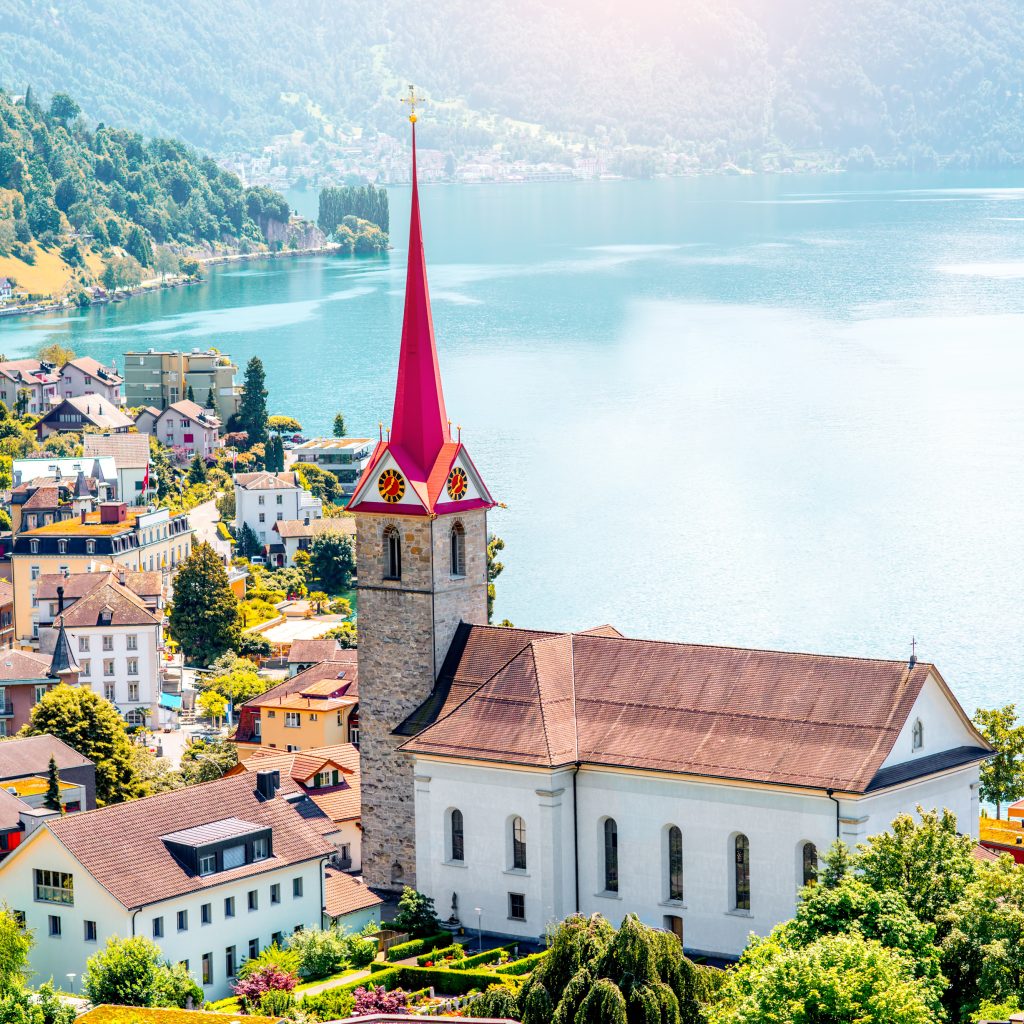
Lucerne
Lucerne sits at the northern edge of Lake Lucerne, positioned where water routes, mountain passes, and historic trade corridors converge. The city’s old town remains compact and walkable, with preserved bridges, painted façades, and lakeside promenades that place the water at the centre of daily movement. Unlike larger European cities, Lucerne’s core remains closely aligned with its natural setting rather than expanding away from it.
Access to surrounding landscapes is immediate. Public transport, lake boats, and mountain railways connect the city directly to nearby peaks such as Mount Pilatus and Mount Rigi, allowing day trips that move quickly from urban comfort to alpine elevation. The lake itself functions as a transport route and leisure space, with regular boat services linking nearby villages and viewpoints.
Experiences in Lucerne are defined by clarity and ease. Mornings may begin with lakeside walks or short boat crossings, followed by mountain excursions and returns to the city without logistical complexity. Evenings concentrate around the old town and waterfront, where dining remains relaxed and visually oriented. Lucerne suits those who value precision, scenery, and a setting where nature is integrated into the structure of the trip rather than treated as a separate excursion.
Things Not to Miss in Lucerne
1. Lake Lucerne
A complex, fjord-like lake extending deep into the Alps, historically used for transport and trade. Today it remains central to the city’s daily life, offering ferry routes, scenic navigation, and defining long-distance views.
2. Chapel Bridge (Kapellbrücke)
Dating to the 14th century, this covered wooden bridge is one of Europe’s oldest. Its interior paintings document Lucerne’s civic, religious, and historical development.
3. Water Tower (Wasserturm)
Originally part of the city’s fortifications, the octagonal tower has served as a watchtower, archive, and treasury, symbolizing Lucerne’s defensive and administrative past.
4. Lucerne Old Town
A well-preserved medieval district characterized by painted façades, guild houses, and narrow streets that continue to function as active commercial and social spaces.
5. Musegg Wall
A remaining section of Lucerne’s medieval defensive wall, featuring several accessible towers and elevated viewpoints that reveal the city’s original fortification system.
6. Lion Monument (Löwendenkmal)
Carved directly into rock in the early 19th century, the monument commemorates Swiss Guards killed during the French Revolution and is internationally recognized for its restrained emotional expression.
7. Jesuit Church
The first large Baroque church built in Switzerland, notable for its symmetrical design, ornate interior, and prominent riverside position.
8. Lucerne Culture and Congress Centre (KKL Luzern)
Designed by Jean Nouvel, this lakeside venue is internationally regarded for its acoustics and serves as a cornerstone of Lucerne’s contemporary cultural life.
9. Swiss Museum of Transport (Verkehrshaus der Schweiz)
One of Switzerland’s most visited museums, offering comprehensive insight into the country’s development in transportation, engineering, and innovation.
10. Mount Pilatus
Dominating the city’s southern skyline, Pilatus is accessed via the world’s steepest cogwheel railway and represents Lucerne’s immediate transition from urban to alpine terrain.
11. Mount Rigi
Known as the “Queen of the Mountains,” Rigi played a foundational role in early European mountain tourism and offers wide panoramic views across central Switzerland.
12. Hammetschwand Elevator (Bürgenstock)
An early 20th-century engineering achievement, providing vertical access to elevated walking paths and viewpoints above Lake Lucerne
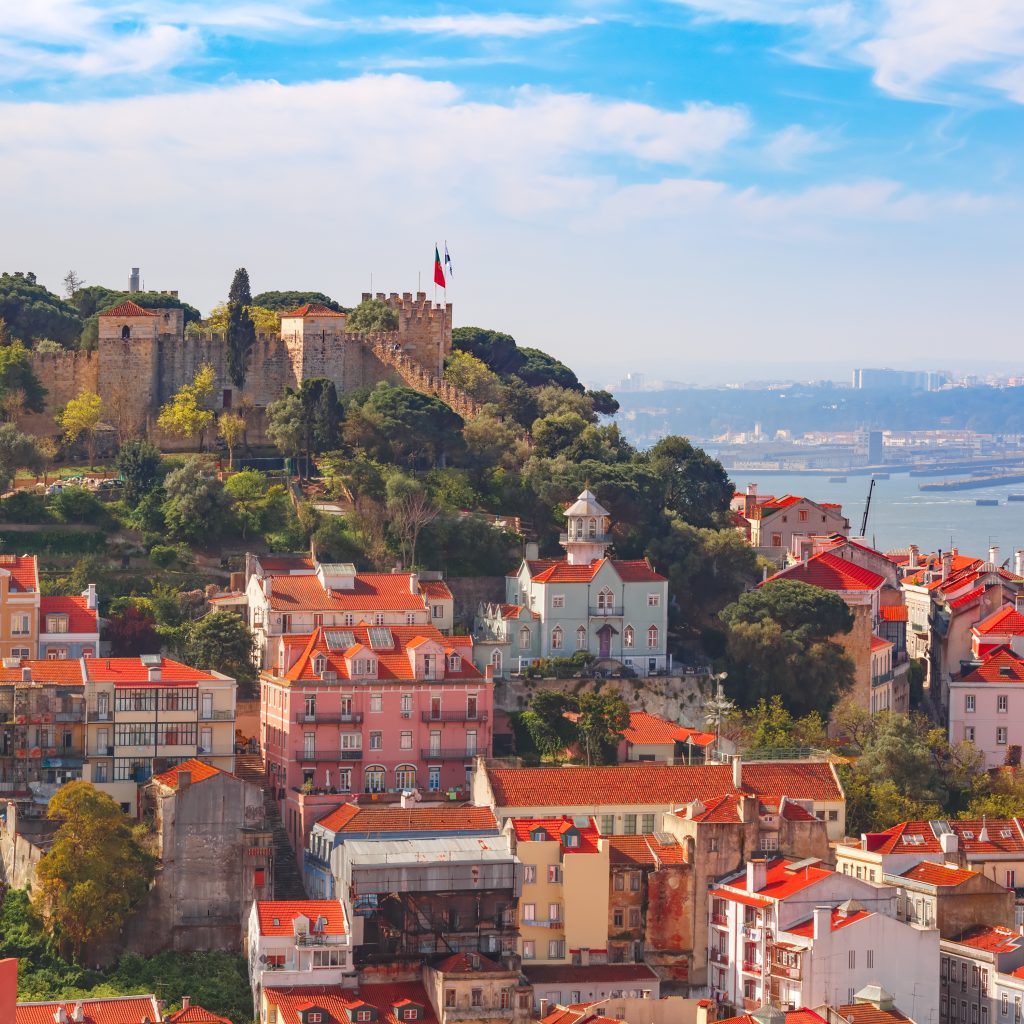
Lisbon
Lisbon unfolds across a series of hills overlooking the Tagus River, creating a city shaped by elevation rather than symmetry. Neighbourhoods such as Alfama, Bairro Alto, Baixa, and Belém operate with distinct spatial identities, connected by trams, stairways, and pedestrian routes that reveal shifting views of the river and city rooftops. Movement through Lisbon is experiential, with progression often guided by terrain rather than direct routes.
The city’s relationship with water extends beyond its riverfront. Ferries, promenades, and open plazas line the Tagus, while nearby Atlantic beaches and coastal towns remain within easy reach, making day trips part of the broader experience. Within the city, cafés, viewpoints, and small restaurants form natural stopping points that structure exploration without formal planning.
Experiences in Lisbon build gradually. Days are often spent moving between neighbourhoods, pausing at miradouros, and settling into long lunches that stretch into afternoon. Evenings shift toward dining and social life spread across multiple districts rather than concentrated nightlife zones. Lisbon appeals to those drawn to cities that feel layered and accessible, offering atmosphere, movement, and proximity to both water and culture within a relaxed urban framework.
Things Not to Miss in Lisbon
1. Alfama
Lisbon’s oldest neighborhood preserves pre-medieval urban planning shaped by Moorish rule. Its narrow alleys, stairways, and inward-facing homes reveal a district built for defense, shade, and community, still deeply connected to daily local life.
2. Belém Tower (Torre de Belém)
Built in the early 16th century at the mouth of the Tagus, the tower symbolized Lisbon’s role as a maritime threshold. It reflects Portugal’s naval ambition and defensive strategy during the height of its global expansion.
3. Castelo de São Jorge
Occupying the city’s highest hill, the castle offers panoramic views over Lisbon and the river. Its walls and foundations trace centuries of Roman, Moorish, and Christian rule, underscoring Lisbon’s strategic importance.
4. Jerónimos Monastery
A defining work of Manueline architecture, closely tied to Portugal’s Age of Discoveries. The monastery reflects imperial wealth, religious authority, and artistic innovation financed by maritime trade.
5. Pastéis de Belém
Founded in the 19th century using a monastic recipe, this institution represents Lisbon’s relationship with tradition preserved through craftsmanship rather than reinvention.
6. Praça do Comércio
Rebuilt after the 1755 earthquake, this riverside square marks Lisbon’s transformation into a modern capital. Its scale and symmetry reflect Enlightenment-era urban planning under the Marquis of Pombal.
7. Baixa Pombalina
The downtown grid introduced after the earthquake represents one of Europe’s earliest examples of earthquake-resistant urban design, combining rational planning with civic ambition.
8. Santa Justa Lift
Completed in the early 20th century, the iron elevator connects Baixa to the upper city, illustrating Lisbon’s practical response to vertical geography and early industrial engineering.
9. Tram 28
A functioning public transport line that moves through Lisbon’s historic core, passing Alfama, Graça, Baixa, and Estrela. It offers insight into the city’s density and lived-in structure rather than spectacle.
10. Bairro Alto
A compact neighborhood defined by transformation throughout the day — residential in the morning, social and cultural by night. It reflects Lisbon’s informal, adaptive urban rhythm.
11. Fado Music Experience
Fado remains central to Lisbon’s cultural identity, rooted in themes of longing, migration, and memory. It functions as collective expression rather than staged performance.
12. Miradouros (Viewpoints)
Scattered across Lisbon’s hills, these viewpoints provide orientation, pause, and perspective. They reinforce the city’s relationship with elevation, light, and open horizon.
13. Oceanário de Lisboa
One of Europe’s most important aquariums, representing Lisbon’s modern engagement with ocean science, sustainability, and its enduring maritime identity.
14. National Tile Museum (Museu do Azulejo)
Dedicated to azulejo tilework, a defining element of Portuguese visual culture that merges storytelling, architecture, and craft across centuries.
15. Time Out Market
A contemporary food hall that consolidates Lisbon’s evolving culinary scene while maintaining strong ties to local producers and traditional cuisine.
Best Beaches and coastal areas Near Lisbon
1. Praia de Carcavelos
2. Praia da Conceição (Cascais)
3. Praia do Tamariz (Estoril)
4. Praia do Guincho
5. Costa da Caparica
6. Praia dos Galapinhos
7. Praia da Figueirinha
8. Praia da Adraga
9. Praia da Ursa
10. Praia do Ribeiro do Cavalo
11. Azenhas do Mar
12. Praia das Avencas
13. Fonte da Telha
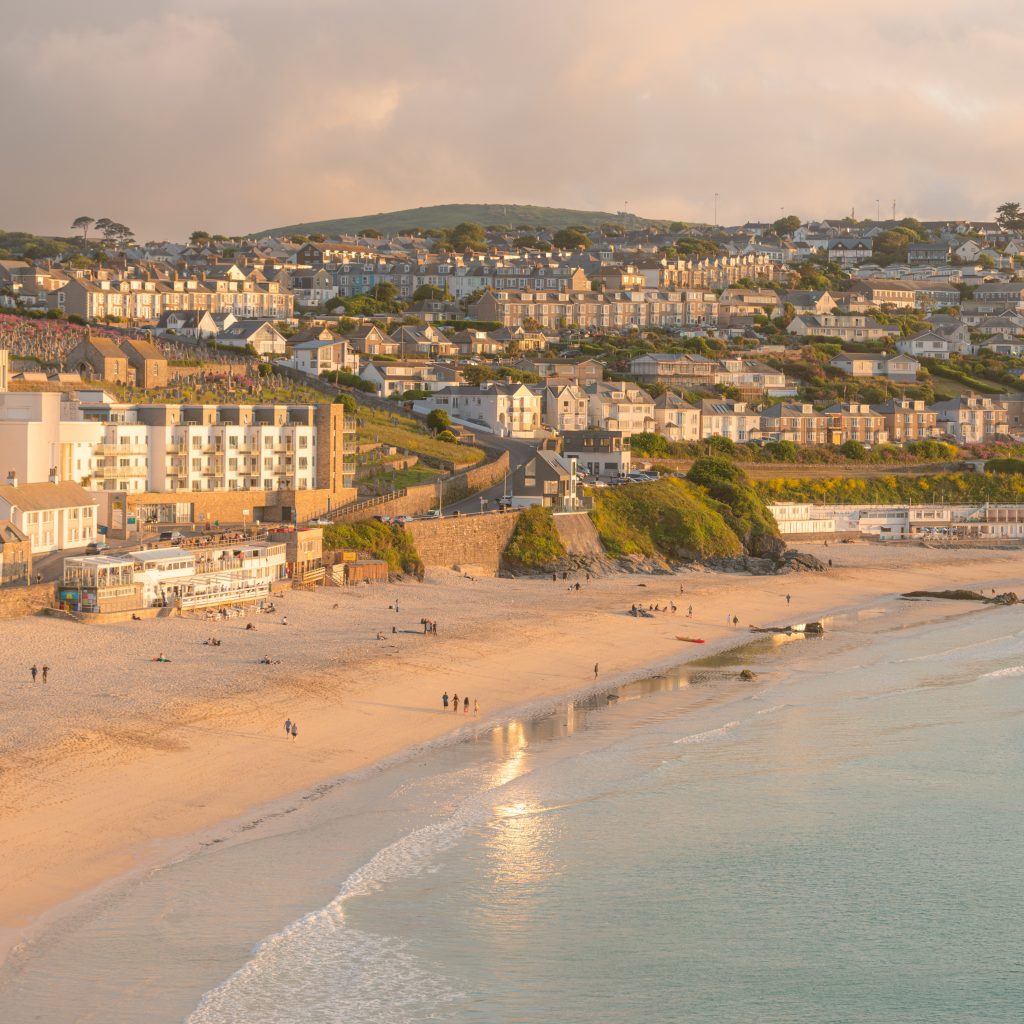
Cornwall
Cornwall extends along England’s southwestern edge as a coastline defined by cliffs, tidal inlets, and shifting light rather than urban density. Settlements such as St Ives, Falmouth, Padstow, and Penzance are distributed along the peninsula, each oriented toward harbours, coves, or open Atlantic views. Movement through Cornwall follows coastal roads and walking paths, where progression is shaped by headlands and sea conditions rather than direct connections between towns.
The relationship with water defines daily rhythm. Harbours remain active, beaches change character with the tide, and the South West Coast Path traces long stretches of exposed shoreline. Inland, moorland landscapes such as Bodmin Moor introduce a contrasting terrain of open space and granite outcrops, reinforcing the region’s varied geography within a compact area.
Experiences in Cornwall unfold at a slower pace. Days often centre around coastal walks, time spent on the beach, or extended meals in small harbourside restaurants. Evenings are quieter and oriented toward views, weather, and seasonality rather than concentrated nightlife. Cornwall appeals to those drawn to landscapes that feel elemental and immersive, offering space, coastline, and shifting atmospheres within a distinctly regional framework.
Things Not to Miss in Cornwall
1. St Michael’s Mount
A tidal island topped by a medieval church and castle, St Michael’s Mount has served religious, defensive, and symbolic roles for over a thousand years. Its shifting access via causeway reinforces Cornwall’s dependence on natural cycles and maritime geography.
2. Minack Theatre
Carved into granite cliffs overlooking the Atlantic, this open-air theatre is a rare fusion of architecture and landscape. Performances are staged against the elements, making environment an active participant rather than a backdrop.
3. Tintagel Castle
Dramatically positioned on the north coast, Tintagel reflects both historical fortification and mythic association with Arthurian legend. Its location illustrates the strategic and symbolic importance of Cornwall’s rugged coastline.
4. The Eden Project
A major ecological and educational landmark built within a reclaimed clay pit. The Eden Project explores global ecosystems and sustainability, positioning Cornwall at the forefront of environmental research and public engagement.
5. The Lost Gardens of Heligan
A restored Victorian estate that reveals historic horticultural ambition and modern conservation practice. The gardens emphasize regeneration, landscape stewardship, and Cornwall’s agricultural heritage.
6. Land’s End
The westernmost point of mainland England, carrying geographic and symbolic significance. It marks the transition between land and Atlantic exposure rather than functioning as a conventional landmark.
7. St Ives
Originally a fishing port, St Ives evolved into a major artistic center due to its light, landscape, and isolation. Today, it remains a working town with strong cultural infrastructure.
8. Tate St Ives
A key institution in British modern art, showcasing artists whose work is shaped by abstraction, environment, and place. The gallery anchors Cornwall’s long-standing relationship with artistic experimentation.
9. Barbara Hepworth Museum and Sculpture Garden
Located in the artist’s former studio, the museum connects modern sculpture directly to Cornwall’s material and spatial environment.
10. Port Isaac
A functioning harbor village that preserves traditional Cornish architecture and maritime rhythm, offering insight into coastal life shaped by continuity rather than tourism-driven reinvention.
11. South West Coast Path
One of Europe’s longest coastal walking routes, tracing cliffs, coves, and historic settlements shaped by erosion, trade, and navigation.
12. Cornish Pasty & Cream Tea
Culinary traditions rooted in mining, agriculture, and ritual. These foods reflect practicality, locality, and long-standing regional identity.
13. Falmouth
One of the world’s largest natural harbors, historically significant for naval operations and maritime trade, now balancing dockyards with cultural institutions and education.
14. National Maritime Museum Cornwall
Explores Britain’s seafaring history through a Cornish lens, focusing on navigation, fishing, shipbuilding, and coastal communities.
15. Bodmin Moor
A granite upland marked by prehistoric monuments, abandoned mines, and open terrain, central to Cornwall’s inland geography and cultural memory.
16. Mousehole
A small fishing village with a tightly structured harbor, reflecting centuries of adaptation to coastal conditions and maritime life.
17. Lizard Peninsula
Geologically unique and ecologically important, the peninsula marks mainland Britain’s southernmost point and highlights Cornwall’s scientific and environmental significance.
Best Beaches and Coastal areas in Cornwall
1. Porthcurno Beach
2. Kynance Cove
3. Fistral Beach
4. Gwithian Beach
5. Sennen Cove
6. Watergate Bay
7. Porthmeor Beach
8. Crantock Beach
9. Polzeath Beach
10. Perranporth Beach
11. Pedn Vounder
12. Lantic Bay
13. Gyllyngvase Beach
14. Summerleaze Beach
15. Holywell Bay Beach
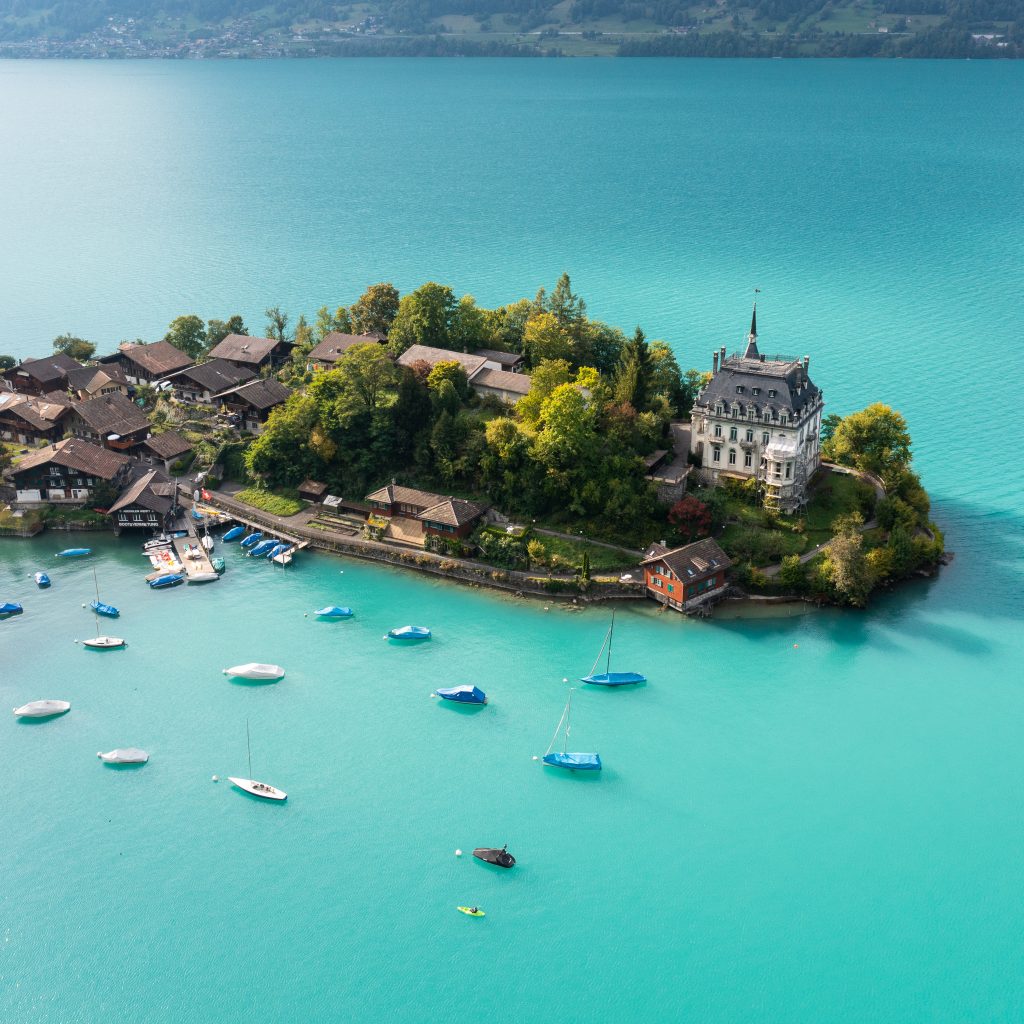
Iseltwald
Iseltwald is a small lakeside village set along the southern shore of Lake Brienz, positioned between steep wooded slopes and clear alpine water. Development is minimal, with a limited number of residences and guesthouses arranged along a short waterfront, preserving uninterrupted views across the lake toward surrounding peaks.
Access is simple and restrained. Walking paths trace the water’s edge, while boat services connect Iseltwald to nearby towns without increasing foot traffic or altering the village’s scale. There are no commercial districts or major attractions; the setting itself provides the focus through still water, reflected light, and changing mountain conditions.
Time here passes quietly and without structure. Swimming from wooden platforms, lakeside walks, and extended pauses by the water form the core of the experience. Seasonal changes shape the atmosphere more than scheduled events. Iseltwald appeals to those seeking isolation, visual calm, and a destination where presence replaces activity.
Things Not to Miss in Iseltwald
1. Schorren Pier
Extending straight into Lake Brienz, the pier provides an uninterrupted visual axis across water toward the surrounding mountains. It illustrates how the village interacts directly with the lake rather than framing it from a distance.
2. Lake Brienz
The lake’s color and clarity result from glacial runoff and mineral content, giving it a distinctive appearance throughout the year. Historically, it functioned as Iseltwald’s primary connection to neighboring settlements and remains central to local movement.
3. Lakeside Path
Following the shoreline, this route traces the village’s outer edge, revealing how homes, docks, and access points align with the water. The path emphasizes Iseltwald’s walkable scale and linear structure.
4. Seeburg Castle
Situated above the village, the castle introduces a historical layer connected to regional authority and land ownership. Its elevated position contrasts with the modest scale of the settlement below.
5. Lake Brienz Boat Routes
Scheduled boat services link Iseltwald with Brienz, Giessbach, and Interlaken, continuing a long-standing system of water-based travel while offering broader views of the surrounding alpine basin.
6. Lido Iseltwald
A designated swimming area that reflects Swiss lakeside culture, providing access to the water without altering the natural shoreline or village layout.
7. Giessbach Falls & Forest Trails
Located within short reach, the waterfall paths follow natural watercourses through forested terrain, highlighting the region’s relationship with alpine runoff and historic walking routes.
8. Traditional Chalet Architecture
Wooden houses with steep roofs, deep overhangs, and carved balconies demonstrate building techniques adapted to snowfall, moisture, and seasonal change.
9. Village Harbor
The small harbor remains a functional space rather than a scenic installation, used by fishing boats and lake traffic. It reinforces the village’s working relationship with Lake Brienz.
10. Upper Slope Footpaths
Trails rising behind Iseltwald lead into wooded slopes and elevated clearings, offering perspectives shaped by height, tree cover, and shifting light rather than panoramic drama.
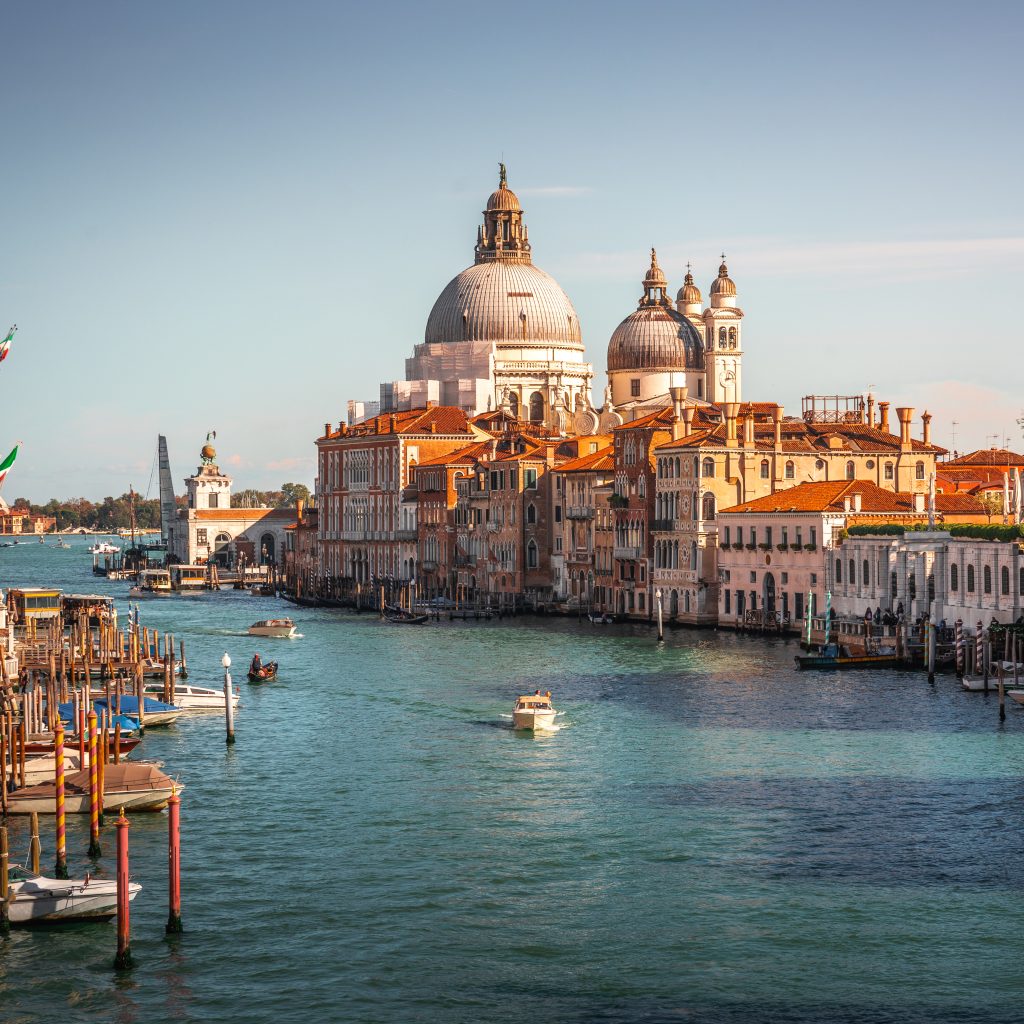
Venice
Venice exists entirely within a lagoon, separated from the mainland by water and structured around canals rather than streets. Movement depends on walking and boats, producing a city where navigation is intuitive yet indirect, guided by bridges, campos, and waterways rather than straight lines.
Each district operates as a contained environment. Away from the main corridors, neighbourhoods sustain everyday routines through local markets, cafés, and residential squares that function independently of major landmarks. This distribution allows exploration to unfold gradually, revealing layers of the city beyond its most recognisable sites.
Experiences in Venice reward patience. Routes often lead to unexpected clearings, waterfront edges, or quiet canals where activity feels unhurried. Evenings concentrate around neighbourhood dining and evening walks rather than late-night intensity. Venice suits those who value immersion and discovery, where movement itself becomes the defining element of the stay.
Things Not to Miss in Venice
Venice’s most formal public space functions as a civic threshold between land and lagoon. Its atmosphere shifts dramatically throughout the day, shaped by light, sound, and tidal movement.
The basilica’s interior contrasts sharply with the openness of the square, using mosaic, scale, and light to create a contained, contemplative environment rooted in Byzantine influence.
3. Doge’s Palace (Palazzo Ducale)
Once the center of Venetian governance, the palace reveals how power, ceremony, and administration were integrated into daily civic life through spatial design.
4. Grand Canal
Serving as Venice’s primary circulation route, the canal reflects the city’s ongoing rhythms — transport, delivery, residence — unfolding continuously along its banks.
5. Vaporetto Journey Along the Grand Canal
Using public water transport offers an unfiltered view of Venice in motion, where palazzi, docks, and crossings reveal everyday urban function.
7. Rialto Bridge and Market Area
Still active as a commercial zone, Rialto connects Venice’s historical trading role with its present-day economic life.
8. Secondary Canals by Gondola or Foot
Narrower waterways and side routes reveal Venice at close range, where wear, texture, and proximity define the experience more than views.
9. Murano and Burano
These lagoon islands expand the Venetian narrative through craft and color — glassmaking traditions in Murano and domestic scale in Burano.
10. Bacaro Culture and Cicchetti
Small wine bars structure local social life through informal gatherings, reflecting a rhythm built around continuity rather than occasion.
11. Unstructured Exploration
Venice resists linear navigation. Allowing routes to unfold naturally reveals courtyards, workshops, and residential spaces beyond major corridors.
12. Dorsoduro District
Home to universities, galleries, and wider canals, Dorsoduro introduces spatial openness and a slower pace within the historic city.
13. Evening Campi (Neighborhood Squares)
As crowds thin, local squares regain their communal role, offering a grounded perspective on daily Venetian life.
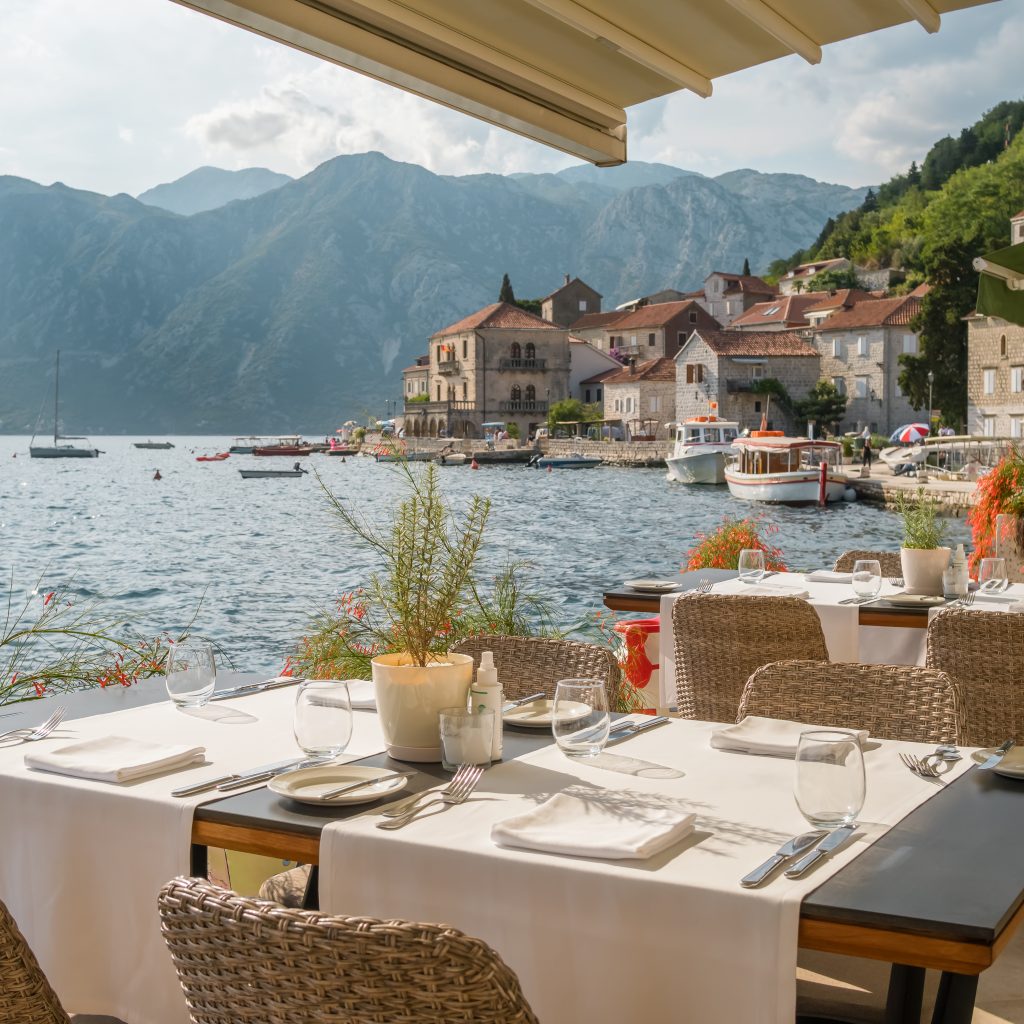
Kotor
Kotor is positioned at the deepest point of the Bay of Kotor, enclosed by steep limestone mountains that rise immediately behind the historic town. The setting creates a strong sense of containment, with the old town compressed between fortified walls and calm, fjord-like waters.
The town’s scale encourages close exploration. Narrow streets, small squares, and harbour paths remain within short walking distance, while boat routes open access to surrounding villages and the wider bay. Ascents toward the fortress above the town provide expansive views that contrast sharply with the density below, revealing the bay’s full structure.
Time in Kotor moves steadily rather than intensely. Activity centres around the waterfront, cafés, and the historic core during the day, while evenings remain relaxed and focused on dining and quiet social spaces. Kotor appeals to those drawn to visually dramatic settings paired with a contained, measured atmosphere rather than constant motion.
Things Not to Miss in Kotor
1. Kotor Old Town (Stari Grad)
A UNESCO World Heritage Site enclosed by intact medieval walls, the Old Town functions as a lived-in urban core. Its narrow stone lanes connect small squares, churches, residences, and cafés within a compact, walkable structure that preserves its original scale.
2. St. Tryphon’s Cathedral
Constructed in the 12th century, the cathedral is Kotor’s most significant ecclesiastical landmark. Its Romanesque architecture and preserved interior reflect the town’s long-standing religious importance along the Adriatic coast.
3. City Walls and St. John’s Fortress (San Giovanni)
The defensive system extends from the Old Town directly into the mountainside. The ascent toward the fortress reveals how architecture responds to terrain, culminating in elevated views across the bay and surrounding settlements.
4. St. Luke’s Church
A modest structure with layered religious history, the church has served both Catholic and Orthodox communities, reflecting Kotor’s cultural coexistence and continuity.
5. Bay of Kotor by Boat
Viewing the bay from the water clarifies its scale and geography. Coastal villages, historic ports, and calm inlets unfold gradually, emphasizing the bay’s fjord-like qualities.
6. Our Lady of the Rocks (Gospa od Škrpjela)
An artificial island created over centuries through maritime tradition, the church represents collective local devotion and remains one of the bay’s most distinctive cultural sites.
7. Perast
A small coastal town defined by baroque architecture and measured pace. Perast reflects a different social history of the bay, shaped by maritime families and architectural refinement.
8. Blue Cave (Plava Spilja)
Accessible by boat along the outer coast, the cave is known for its luminous blue light created by sunlight refracting through clear water, highlighting the region’s coastal geology.
9. Local Cuisine
Kotor’s food culture reflects its position between sea and mountains. Adriatic seafood combines with inland Montenegrin ingredients, shaped by Venetian and Balkan culinary influences.
10. Farmer’s Market Outside the Old Town
Located just beyond the walls, the market anchors daily life, offering local cheeses, cured meats, olive oils, and seasonal produce sourced from surrounding regions.
11. Cats of Kotor and Cats Museum
Cats are integrated into the town’s daily environment and have become an informal symbol of Kotor. The small museum documents their cultural presence with humor and restraint.
12. Lovćen National Park
Rising above the bay, Lovćen introduces a contrasting inland landscape of forests and open plateaus, emphasizing Montenegro’s geographic diversity.
13. Njegoš Mausoleum
Situated high on Mount Lovćen, the mausoleum honors Montenegro’s most influential historical figure and provides panoramic views connecting coast and interior.
14. Kotor–Lovćen Cable Car
The cable car compresses dramatic elevation change into a single journey, visually linking the bay to the mountains and reinforcing the region’s vertical geography.

Comment (0)