Europe remains one of the world’s great dining destinations, with a gastronomic landscape shaped by centuries of culinary tradition, influential chefs, distinguished dining rooms and an increasingly sophisticated approach to contemporary cuisine. Its highest-ranking restaurants are recognised through institutions such as the MICHELIN Guide, international culinary awards, longstanding industry accolades and the reputations of chefs whose work has helped define modern European gastronomy. Yet distinction alone does not necessarily tell a traveller where to book a table.
A restaurant can hold three Michelin stars, receive international awards and attract global attention, while another may become a perennial recommendation among people who know a destination intimately. The most compelling addresses often bring these two worlds together: formal recognition from the culinary industry alongside a strong reputation among diners, returning travellers and locals who continue to recommend them.
This first volume brings together a selection of luxury and fine-dining restaurants across Europe where the culinary proposition is matched by the setting, service, wine programme, heritage or sense of place. Some are established gastronomic institutions; others have developed distinctive identities through modern interpretations of regional cuisine, exceptional produce, highly individual tasting menus or dining rooms that have become destinations in their own right.
Recognition varies from restaurant to restaurant. Michelin stars, Michelin Green Stars and selected guide distinctions are considered alongside major culinary awards, chef achievements, heritage, longevity and the wider reputation of each address. The purpose is not to create another numerical ranking, but to identify restaurants that deserve consideration when planning a serious dining experience in Europe.
Each restaurant is examined through the details that matter before making a reservation: why it is worth visiting, what it is known for, its cuisine and signature specialities, setting and atmosphere, location, distinguishing characteristics, price level, reservation advice, the best time to visit and what to order. For travellers who plan their journeys around exceptional food as much as exceptional places, these are tables worth knowing before the next European itinerary is booked.
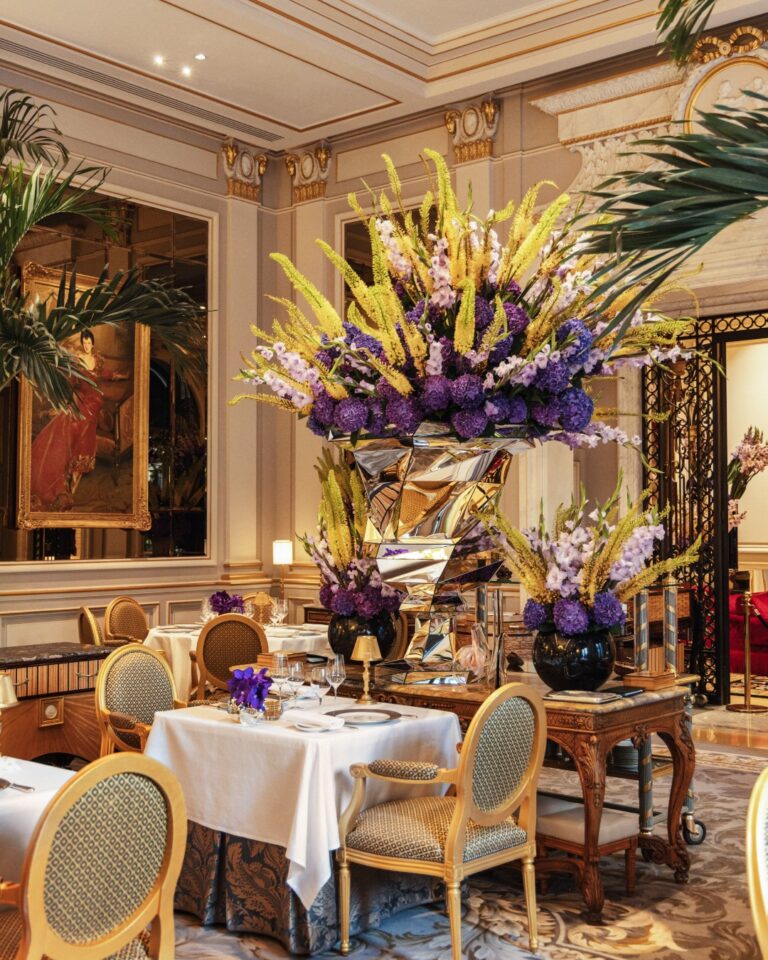
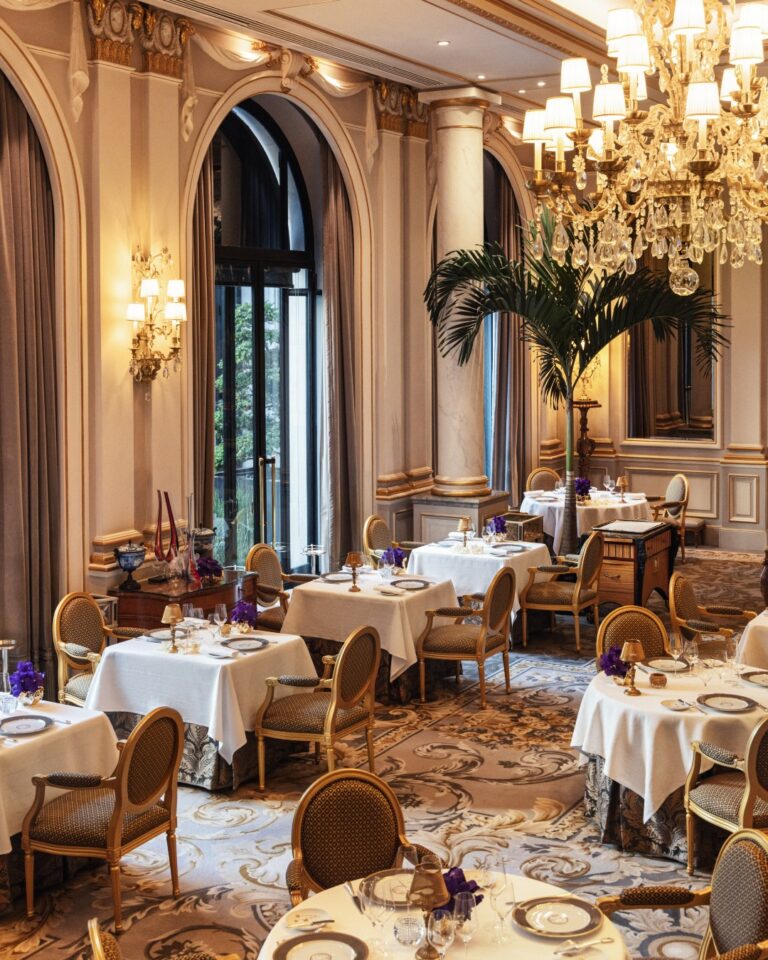
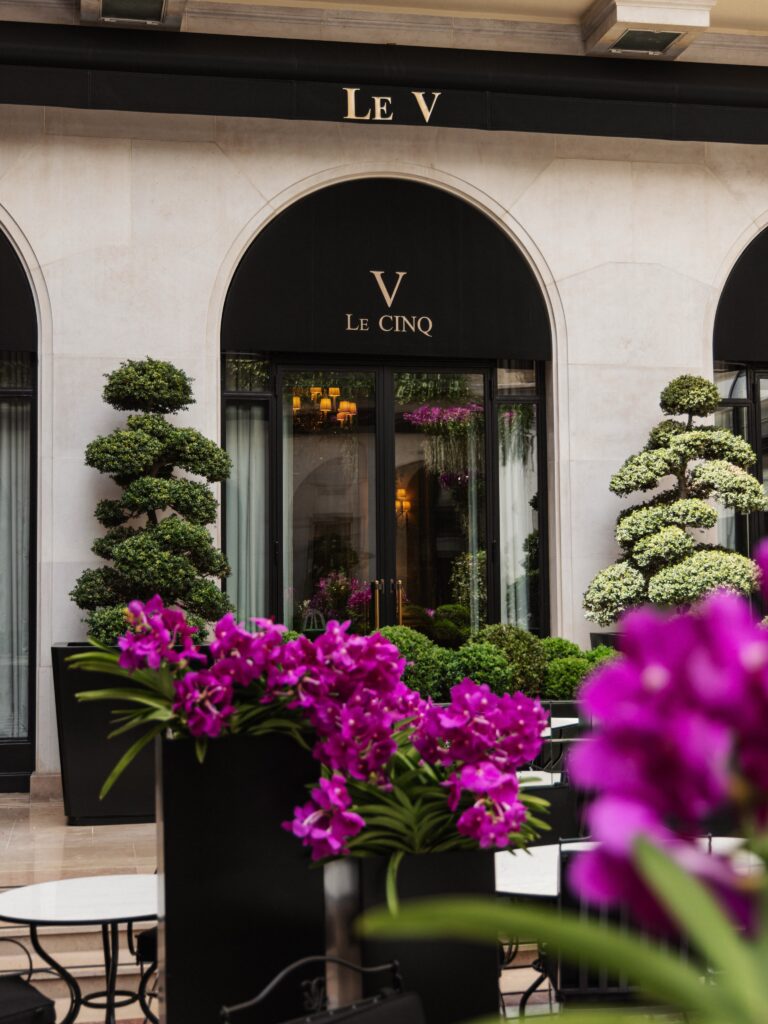
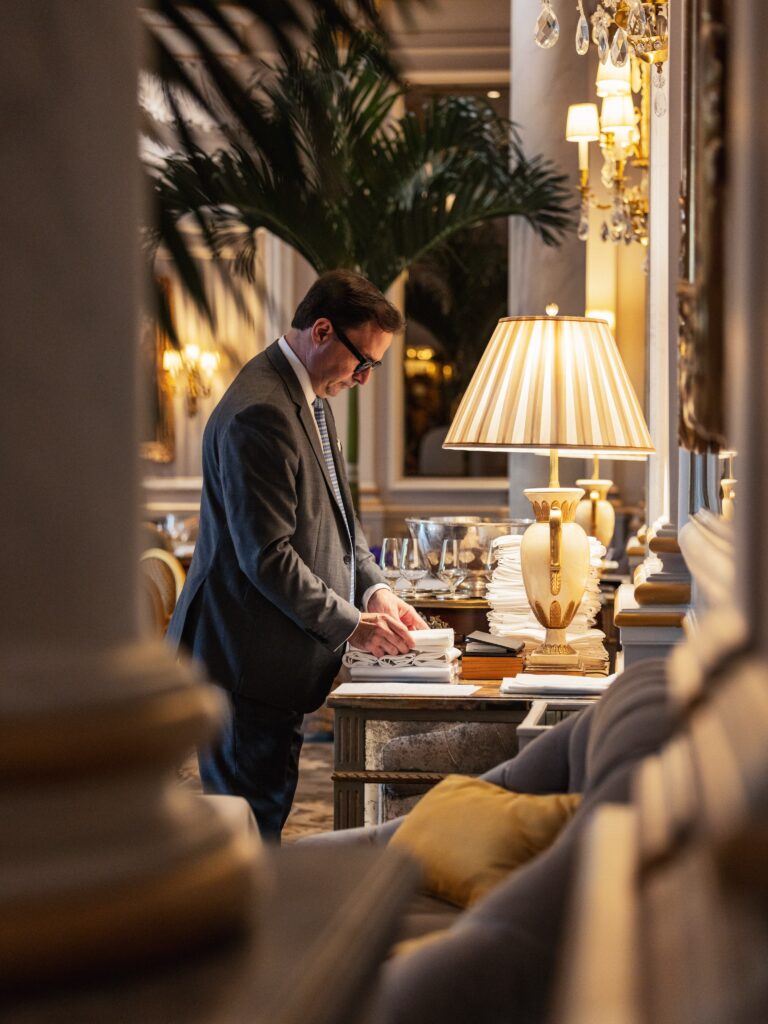
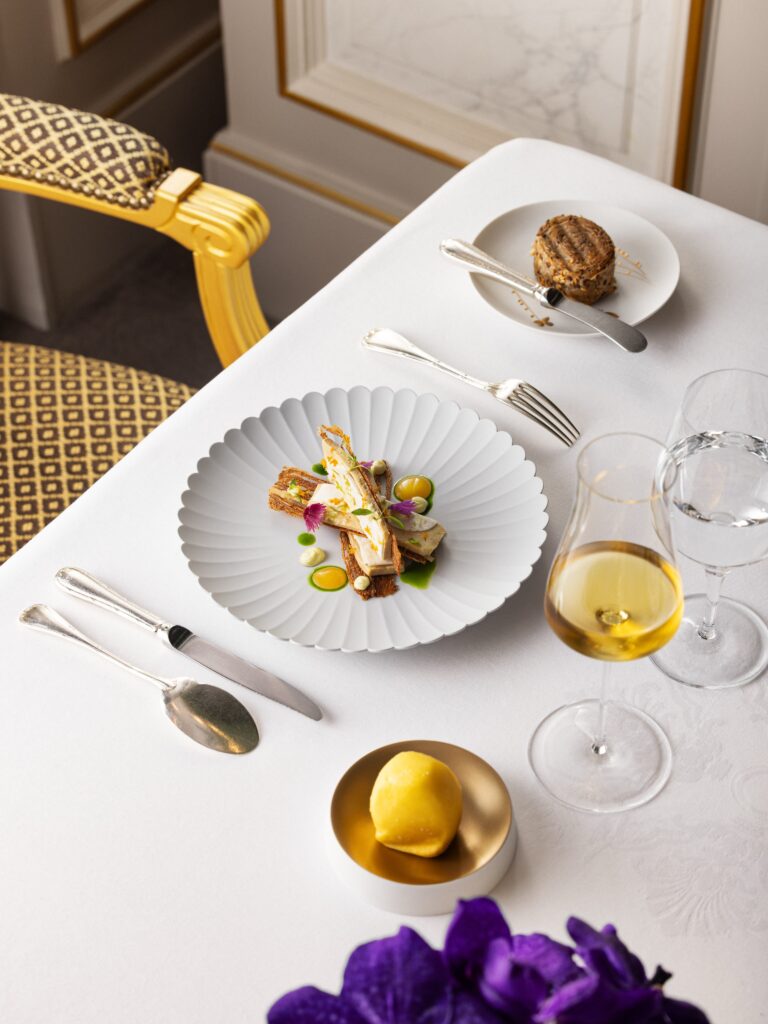
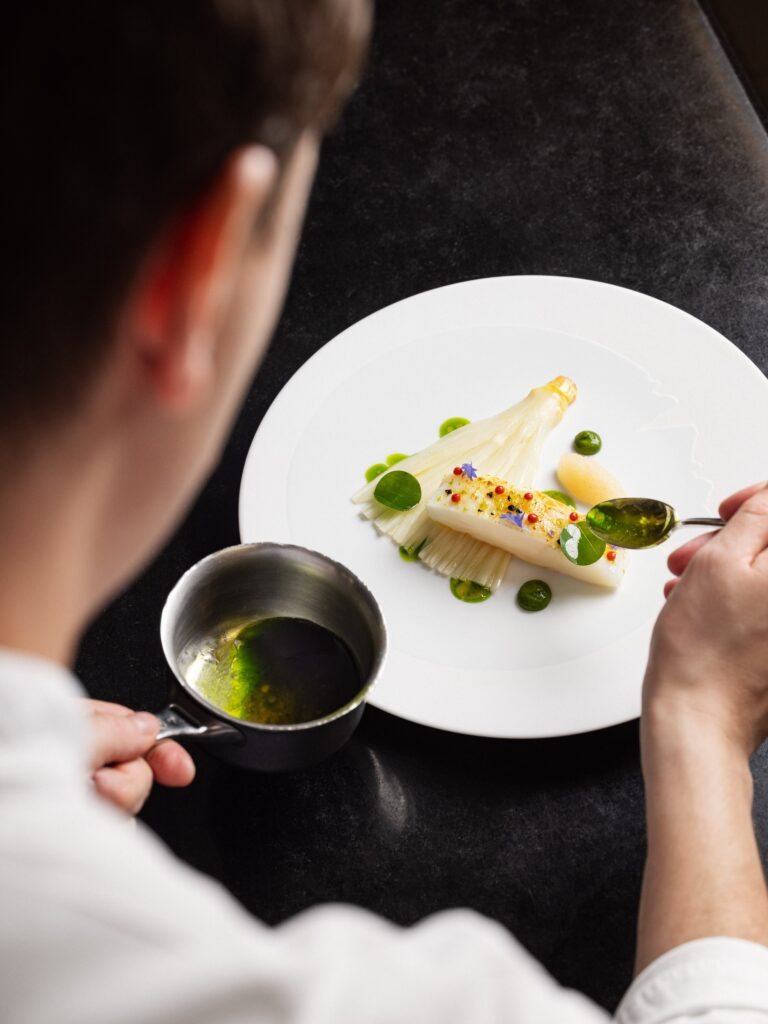
Le Cinq
Inside the Four Seasons Hotel George V, Le Cinq combines the grandeur of a Parisian palace with one of the city’s most celebrated modern French kitchens. Chef Christian Le Squer has led the restaurant since 2014, earning and retaining three Michelin stars while developing a cuisine that draws heavily on his Breton heritage and the finest French produce.
What It Is Known For
Le Cinq is known for its polished interpretation of modern French cuisine, exceptional seafood, intricate sauces and an extraordinary wine programme. The experience is equally defined by its dining room and service, where the palace setting, bespoke tableware and highly choreographed hospitality form part of the meal itself.
Cuisine
Modern French cuisine with a strong connection to Brittany and the French Atlantic coast. Le Squer frequently works with seafood, shellfish, caviar and regional ingredients, balancing them with contemporary techniques and exceptionally precise presentation.
Signature Dishes / Specialties
Among the restaurant’s current signature dishes are line-caught sea bass with caviar and buttermilk, spaghetti gratin with truffle, ham and artichokes, foie gras like a pebble, and Dublin Bay prawns with warm mayonnaise and buckwheat pancakes. The menu also includes lobster, turbot, Wagyu beef and Bresse chicken.
Setting & Atmosphere
The dining room is one of the great theatrical interiors of Parisian fine dining, with soaring columns, ornate mouldings, marble, fresh flowers and soft natural light filtering from the hotel’s interior garden. The atmosphere is formal and opulent, but the service is designed to remain attentive and composed rather than rigid.
Location
Four Seasons Hotel George V, 31 Avenue George V, 75008 Paris. It occupies an exceptional position in the Golden Triangle, moments from Avenue des Champs-Élysées, Avenue Montaigne and some of the city’s most important luxury fashion houses.
What Makes It Different
Le Cinq succeeds by making the entire setting part of the gastronomy. The bespoke porcelain, silverware and table linens created for the hotel, the palace architecture, three-star cuisine and serious wine programme combine into an experience that feels inseparable from the grand-hotel tradition of Paris.
Price Level
Le Cinq sits firmly in the highest tier of Parisian fine dining. Current à-la-carte prices range from approximately €120 for starters to €280 for Wagyu beef, with desserts at around €52. The restaurant’s Découverte des Saveurs de Christian Le Squer menu is currently listed at €640 per person, excluding drinks.
Reservation Advice
Advance reservations are essential, particularly because Le Cinq currently operates dinner only from Tuesday to Saturday, 7:00–9:30 pm. The restaurant manages its own bookings, so contacting Le Cinq directly is advisable when planning a special occasion or requesting particular seating.
Best Time to Visit
Spring and early autumn offer an especially attractive balance between Parisian atmosphere and comfortable weather. For the full palace experience, an evening reservation allows the dining room, service and wine programme to unfold as a complete occasion.
What to Order
For a first visit, the Découverte des Saveurs de Christian Le Squer tasting experience is the strongest introduction to the restaurant’s style. If choosing à la carte, the line-caught sea bass with caviar and buttermilk and spaghetti gratin with truffle are two of the clearest expressions of Le Squer’s signature cooking.
Reserve a Table
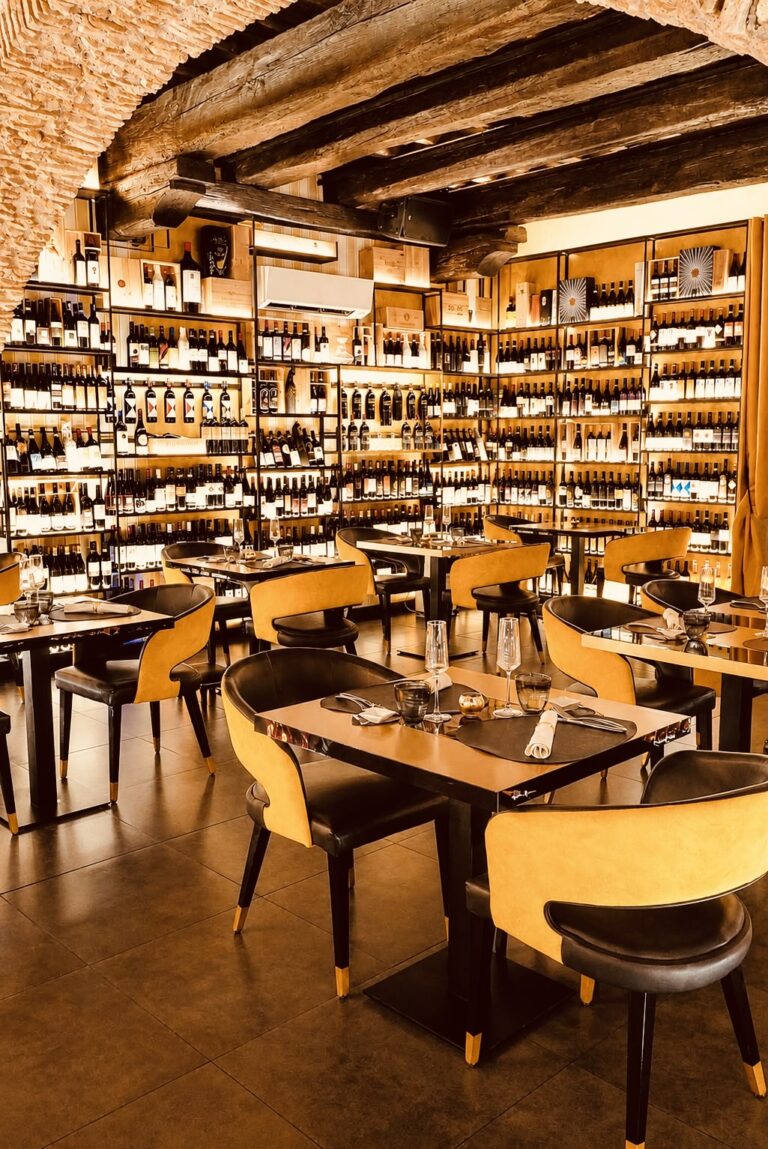
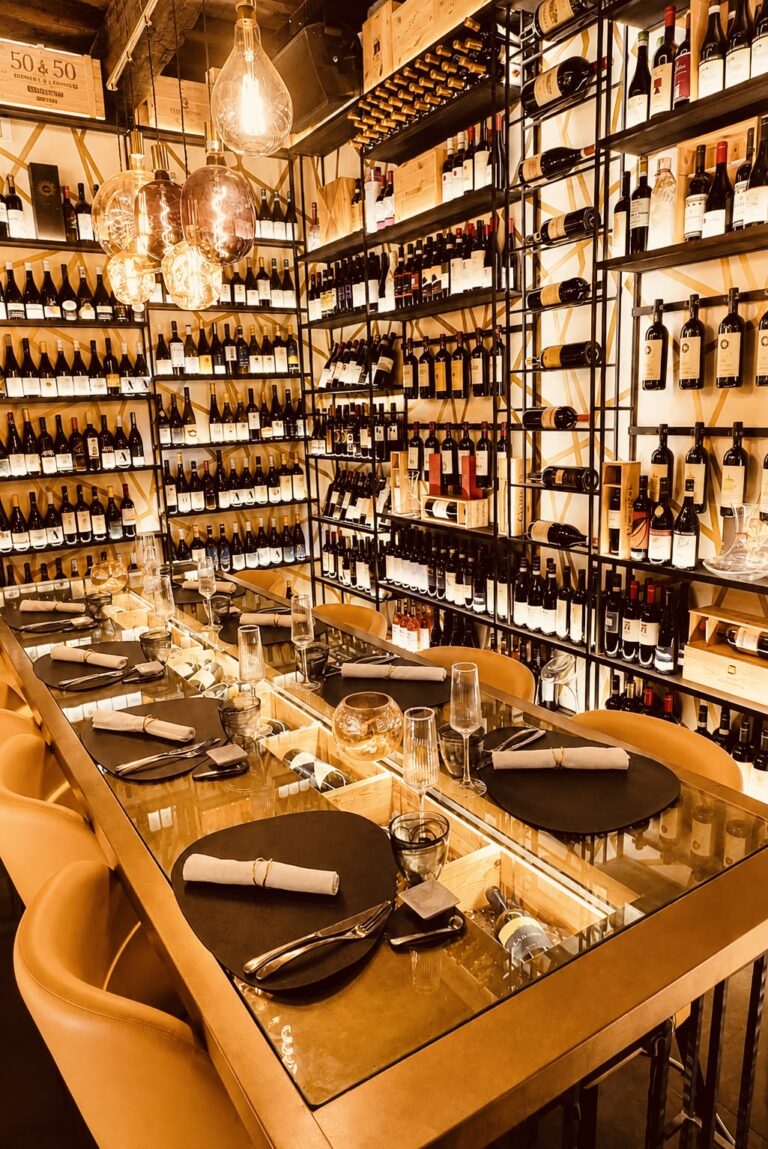
Credit: Ad Hoc
Ad Hoc Roma
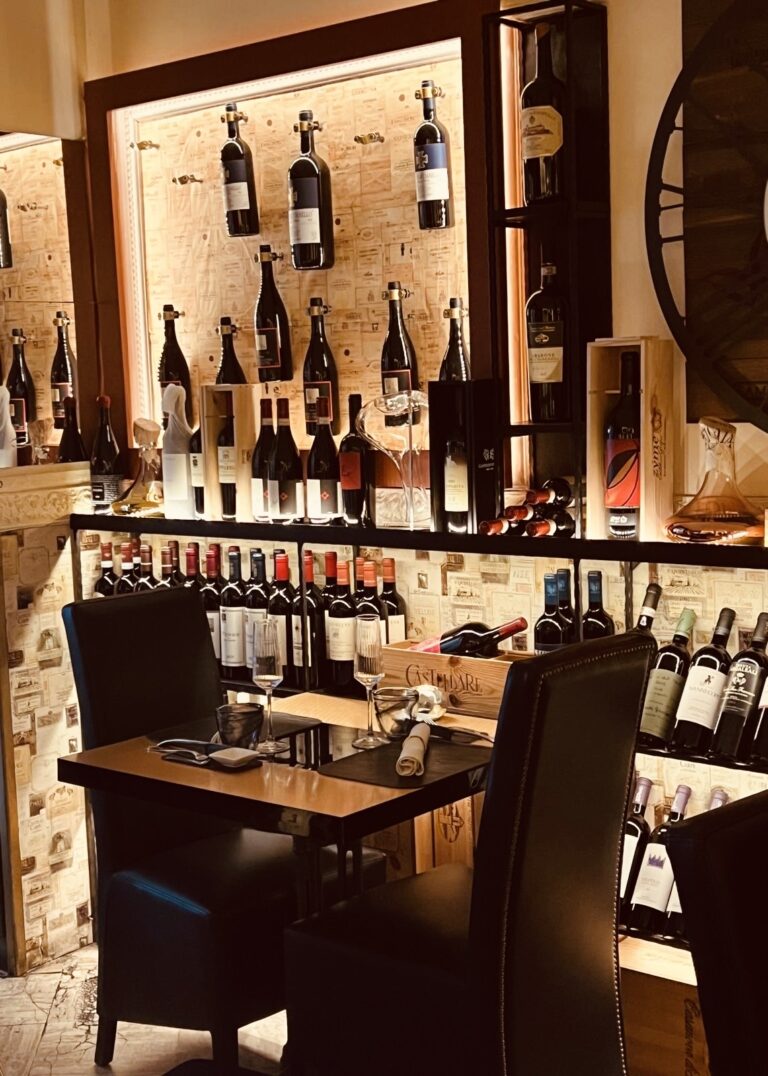
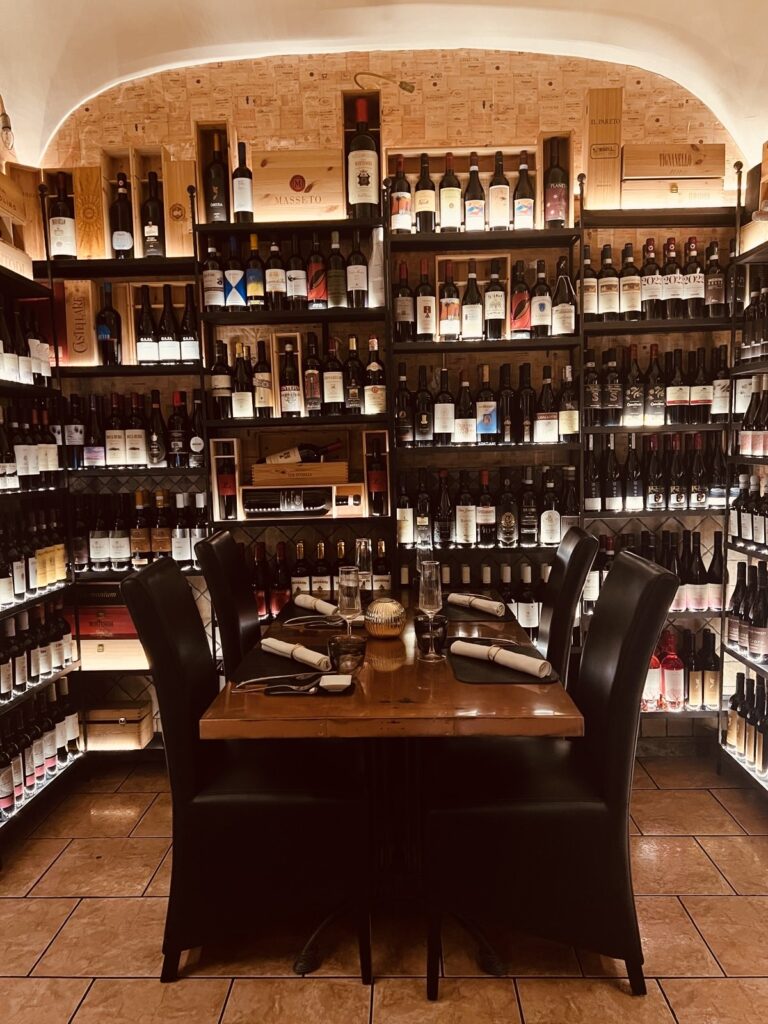
Ad Hoc approaches fine dining in Rome through a simple principle: every detail should have a purpose. Born from Italian and Roman culinary traditions, the restaurant combines made-from-scratch cooking, seasonal ingredients, tasting menus, an extensive wine collection and attentive hospitality without losing sight of the city around it. What makes Ad Hoc particularly interesting is that the experience extends across two very different settings in Rome, allowing guests to choose between dining beside the ancient Circus Maximus or in the historic centre near Piazza del Popolo.
What It Is Known For
Ad Hoc has built its identity around tasting menus, carefully considered wine pairings and signature truffle dishes that have remained part of the restaurant’s repertoire for more than two decades. Truffle is one of its defining specialities, but the cuisine reaches considerably further, with Italian and Roman traditions providing the foundation for a menu shaped by craftsmanship, seasonality and ingredients prepared from scratch.
Cuisine
The cooking is rooted in Italian and Roman cuisine, with an emphasis on traditional flavours, seasonal produce and meticulous preparation. Rather than treating Roman cuisine as a fixed collection of classics, Ad Hoc uses its traditions as the starting point for a more refined fine-dining experience, with tasting menus allowing the kitchen to build a broader progression around the ingredients available throughout the year.
Signature Dishes & Specialties
Truffle is the unmistakable signature. Ad Hoc has been serving its truffle-focused specialities for more than 20 years, making them an established part of the restaurant’s identity rather than a seasonal trend. Tasting menus and wine pairings form the other central elements of the experience, giving diners the opportunity to experience the kitchen as a complete progression rather than ordering around a single dish.
Setting & Atmosphere
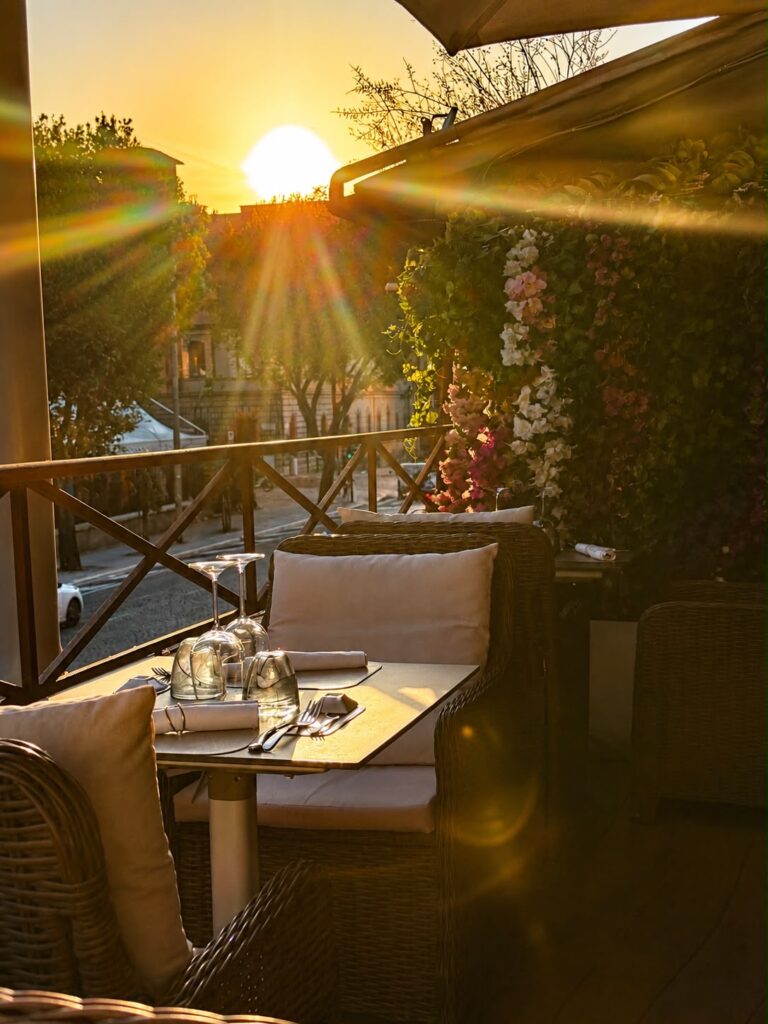
The two Ad Hoc locations offer distinctly different ways to experience the restaurant. Ad Hoc Circo Massimo faces the Circus Maximus, with its outdoor terrace providing a particularly evocative setting surrounded by the layers of Ancient Rome. It is especially suited to intimate dinners, romantic occasions and evenings when the setting itself becomes part of the meal. Ad Hoc Piazza del Popolo, located close to one of Rome’s best-known historic squares, offers a more intimate expression of the same culinary philosophy. Its elegant interiors create a quieter environment in which guests can settle into a long tasting menu, wine pairing or unhurried dinner away from the pace of the surrounding city.
Location
The two restaurants place Ad Hoc within two very different chapters of Rome. Circo Massimo sits directly opposite the ancient Circus Maximus and within walking distance of the Colosseum, while Piazza del Popolo is positioned in Rome’s historic centre, close to the square and the cultural sites of the surrounding neighbourhood.
What Makes It Different
Few dining experiences allow the same culinary philosophy to be experienced against such different Roman backdrops. At Circo Massimo, dinner can unfold with the ancient Circus Maximus immediately outside the terrace; at Piazza del Popolo, the experience becomes more secluded and intimate within the historic centre. The common thread is the attention to detail: made-from-scratch cuisine, tasting menus, wine pairings, truffle specialities and a hospitality philosophy in which each element of the evening is intended to have a purpose.
Price Level
Ad Hoc sits within Rome’s fine-dining segment, with the tasting-menu format and wine-pairing experience representing the most complete way to approach the restaurant. The final cost varies according to the menu selected, wine pairing and additional premium ingredients such as truffle, so diners should expect a substantial fine-dining bill rather than a conventional restaurant meal.
Reservation Advice
Reservations are strongly recommended, particularly for tasting-menu experiences, romantic dinners and evenings when the Circo Massimo terrace is a priority. Guests should specify their preferred location when booking, as the two restaurants offer genuinely different settings rather than simply being two addresses for the same dining room.
Best Time to Visit
For Ad Hoc Circo Massimo, warmer months are particularly appealing when the terrace can be enjoyed with the Circus Maximus as the backdrop. An evening reservation creates the strongest sense of place, especially for a leisurely tasting menu. Ad Hoc Piazza del Popolo works throughout the year and is particularly well suited to guests seeking a more intimate indoor experience in the historic centre.
What to Order
The best approach is to let the restaurant build the evening around its tasting menu and, where desired, a wine pairing. For a first visit, truffle specialities are the natural place to begin given their more than 20-year connection to the Ad Hoc identity. Those looking for a broader expression of the kitchen should choose the tasting menu, allowing the restaurant to showcase its Italian and Roman foundations through seasonal ingredients and made-from-scratch preparations.
A Roman Dinner With Two Faces
Ad Hoc is ultimately less about a single signature dish than the way its different elements come together. One evening can place you on a terrace facing one of Ancient Rome’s greatest monuments; another can take you into the quieter atmosphere of the historic centre near Piazza del Popolo. Across both, the formula remains consistent: Italian and Roman cooking, tasting menus, wine, truffle, seasonality and thoughtful hospitality. It is a fine-dining experience that gives the meal its own sense of place without trying to compete with Rome itself.
Reserve a Table
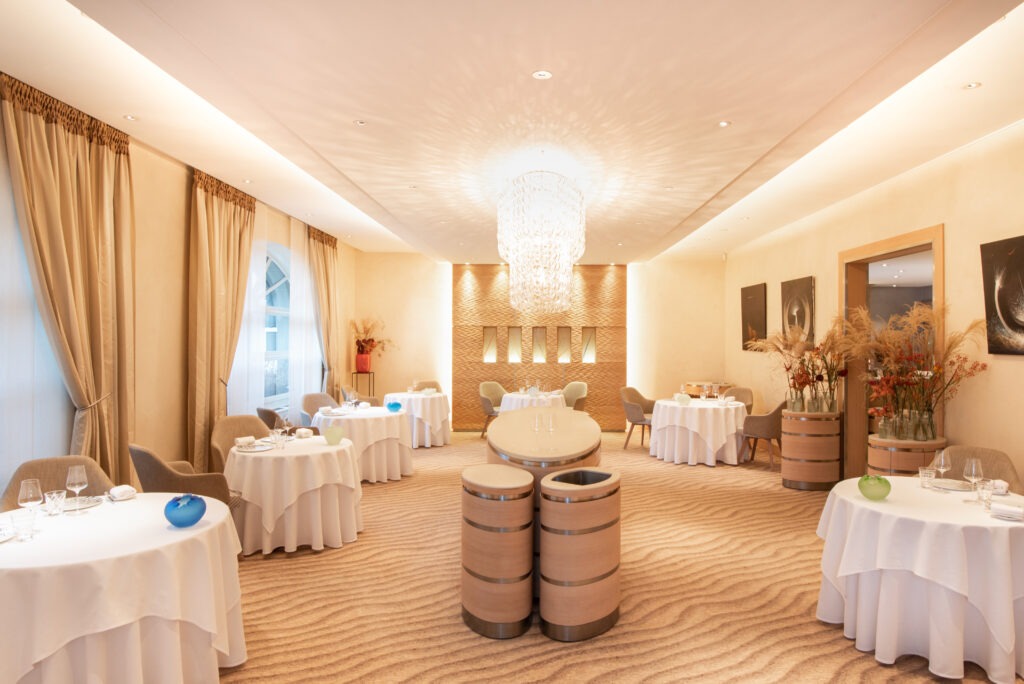
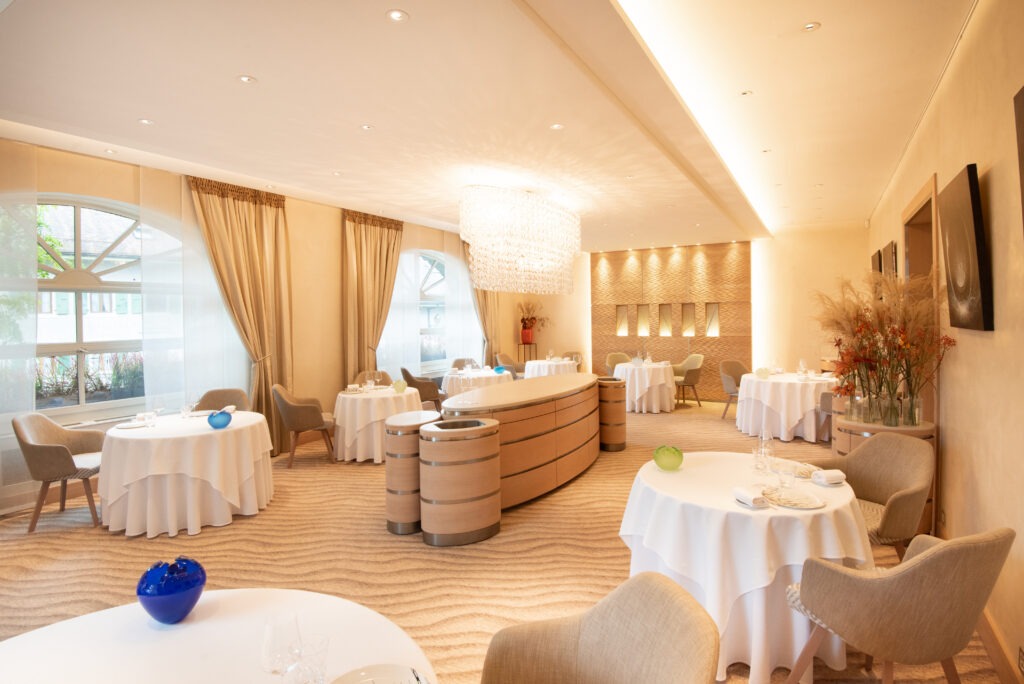
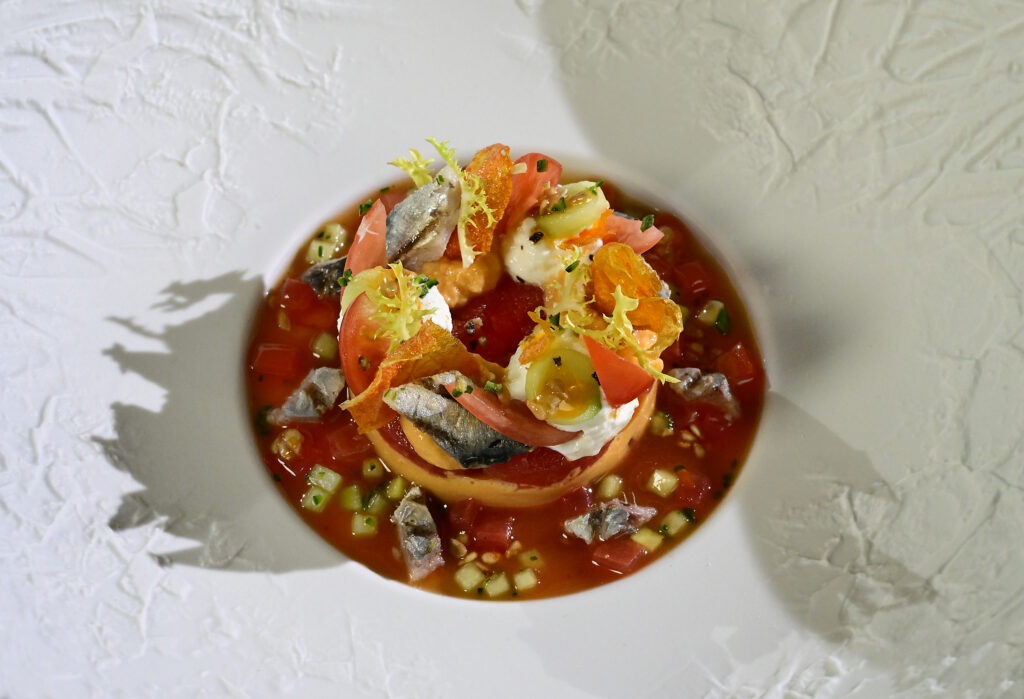
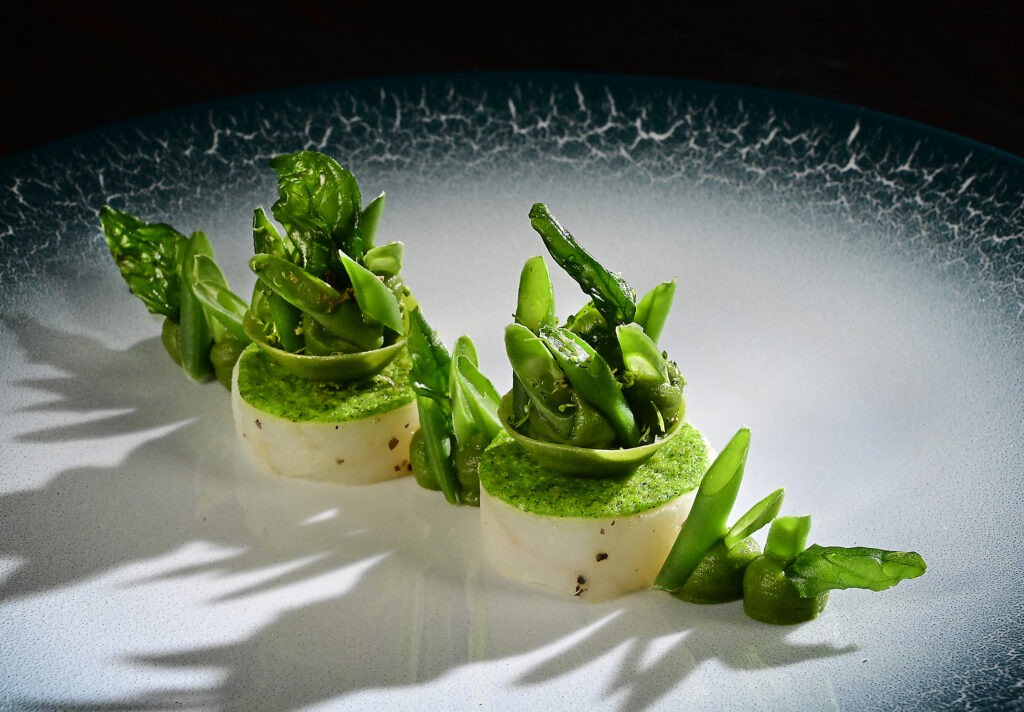
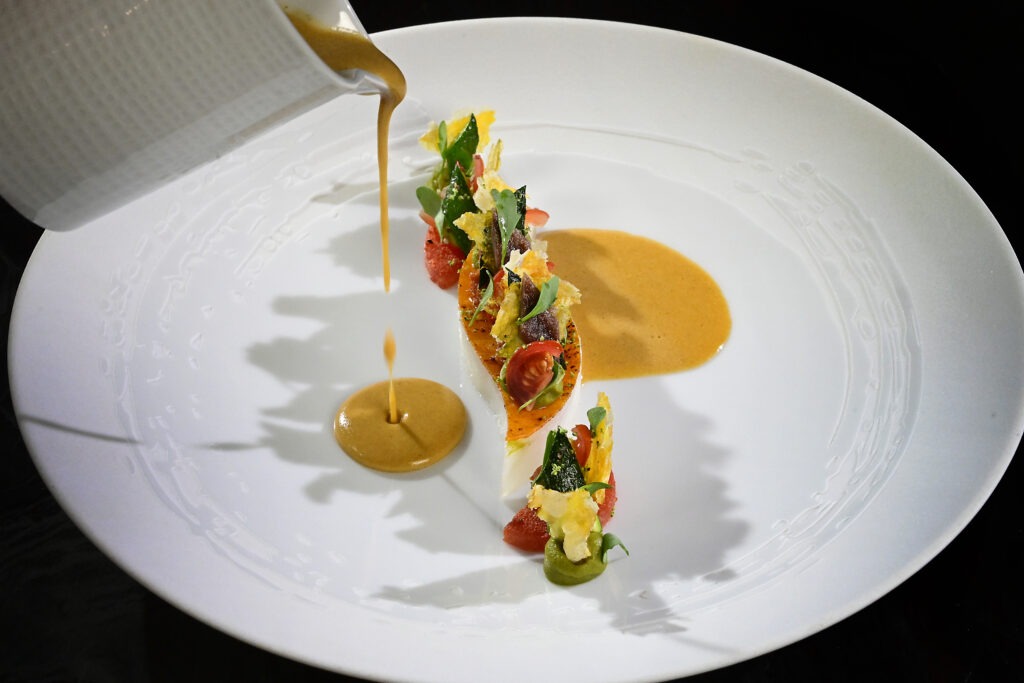
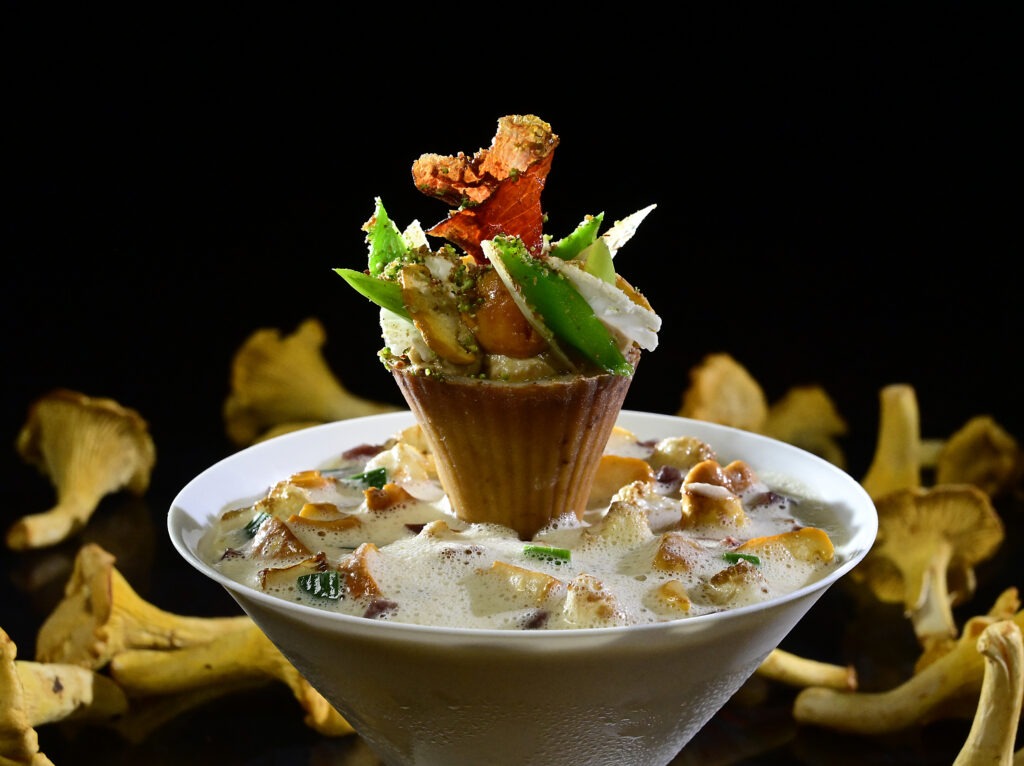
Credit: Restaurant de l’Hôtel de Ville de Crissier
Restaurant de l’Hôtel de Ville de Crissier
Why It Is Worth Visiting
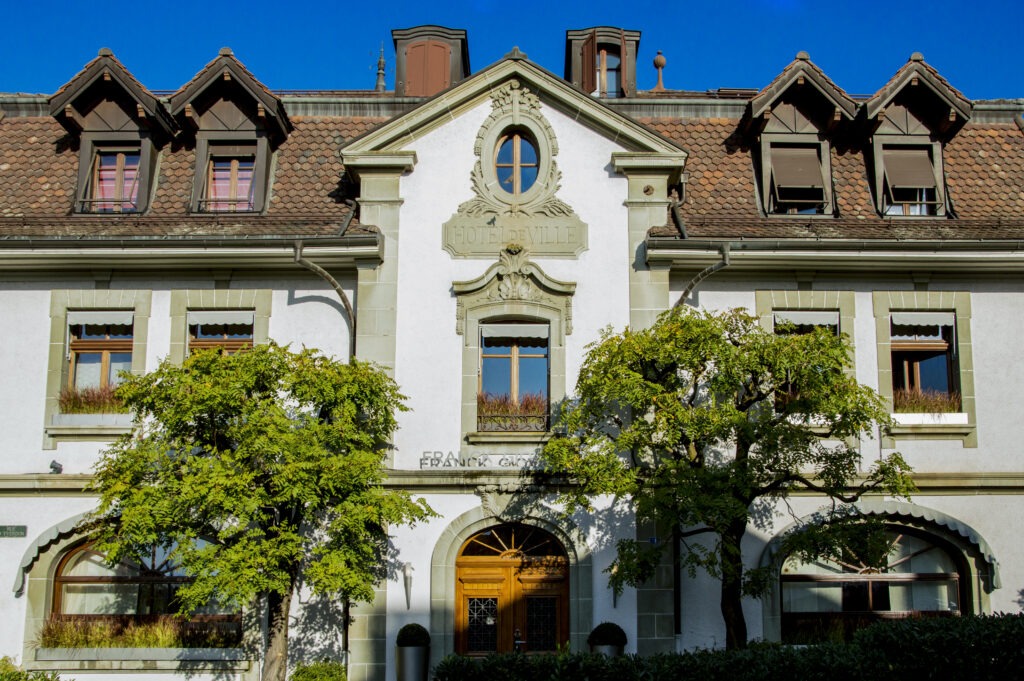
In the village of Crissier, just outside Lausanne, sits one of Switzerland’s most important culinary institutions. Restaurant de l’Hôtel de Ville has been operating through several generations of chefs since Benjamin and Georgette Girardet took over the village’s Hôtel de Ville café in 1955. Fredy Girardet subsequently transformed it into an international gastronomic destination, followed by Philippe Rochat, Benoît Violier and, since 2016, Franck Giovannini. The restaurant has retained three Michelin stars continuously under its successive chefs, creating a rare culinary lineage in which the address itself has become part of gastronomic history.
What It Is Known For
Crissier is known for precision, seasonal Swiss produce and an extraordinary continuity of culinary philosophy. The restaurant’s official history traces five generations of chefs and more than seven decades of development. Fredy Girardet’s famous principle of using no more than three flavours on a plate became an important influence on the restaurant’s identity, while later chefs developed their own styles without abandoning the underlying emphasis on precision and restraint. Franck Giovannini continues that tradition with contemporary dishes built around produce from the region and beyond.
Cuisine
The cuisine is contemporary French in technique and structure, but deeply connected to Vaud and the wider Swiss landscape. The current summer menu includes ingredients such as tomatoes from northern Vaud, beans from Vinzel, fish from Lake Geneva, local vegetables and produce from surrounding farms. Seafood, freshwater fish, carefully sourced meats and seasonal vegetables appear alongside sauces and preparations that reflect the classical foundations of the house.
Signature Dishes & Specialties
Crissier’s menu changes with the seasons, so its signature is less about one permanent dish than a method of treating exceptional ingredients with precision. Current examples include langoustines with Osciètre caviar, Lake Geneva féra marinated with Dézaley, red mullet prepared à la Café de Paris, Lake Geneva beef with basil and mustard seeds, and the restaurant’s refined dessert work with Valais apricots and local fruit. The restaurant also periodically dedicates evenings to regional themes, including seafood and Swiss menus.
Setting & Atmosphere
Despite its international reputation, the restaurant retains the character of an elegant Swiss gastronomic house rather than a theatrical destination restaurant. The dining experience is deliberately centred on the food, service and rhythm of the meal. There is also a remarkable piece of culinary infrastructure behind the scenes: when Benoît Violier took over, the kitchens were renovated specifically around the needs of the chefs and designed to maximise efficiency, circulation and working conditions.
Location
The restaurant is located at Rue d’Yverdon 1 in Crissier, just outside Lausanne in the canton of Vaud. Its position makes it particularly convenient for combining with a stay around Lausanne, Lake Geneva or the Lavaux wine region.
What Makes It Different
Very few restaurants can offer this combination of culinary history, generational continuity and consistency at the highest level. Five chefs have shaped the house across its history, yet the restaurant has retained its three Michelin stars and 19/20 Gault&Millau score under Franck Giovannini. It is less about spectacle than about entering an address where the craft of fine dining has been refined continuously for generations.
Price Level
This is one of the most substantial dining experiences in the collection. The current Gastronomic Menu is CHF 410, while the Discovery Menu starts at CHF 360 for eight surprise courses. A weekday quick lunch is available at CHF 260. À la carte dishes currently range from around CHF 85 for a vegetable starter to CHF 140 for crab and caviar, with main courses generally around CHF 95–130. Gift experiences for two currently begin at CHF 720 for the Discovery Menu and CHF 820 for the Gastronomic Menu, with wine and beverage packages increasing the total further.
Reservation Advice
This is a restaurant to plan around rather than leave until the last evening of a Swiss trip. Dinner is served Tuesday through Saturday, with reservations accepted for lunch from 12:00–13:00 and dinner from 19:00–20:30. Given the scale of the experience and the limited service windows, advance booking is strongly advisable.
Best Time to Visit
Late spring through early autumn is particularly appealing because the menus follow the arrival of fresh regional produce, with the restaurant changing its menus several times throughout the year. The current calendar moves from spring to summer, autumn and winter menus, allowing repeat visitors to encounter a noticeably different expression of the kitchen with the seasons.
What to Order
For a first visit, the Gastronomic Menu is the most complete way to understand Giovannini’s cooking. Look for dishes featuring Lake Geneva fish, local vegetables, langoustines or lobster when available, followed by one of the seasonal fruit desserts. The Discovery Menu is the better choice for guests who prefer to surrender the selection to the kitchen, with eight surprise courses built around the best products available at the time.
Reserve a Table
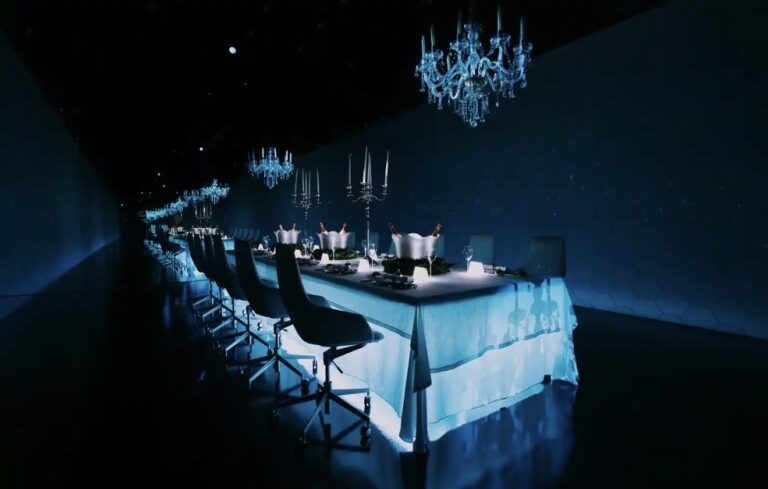
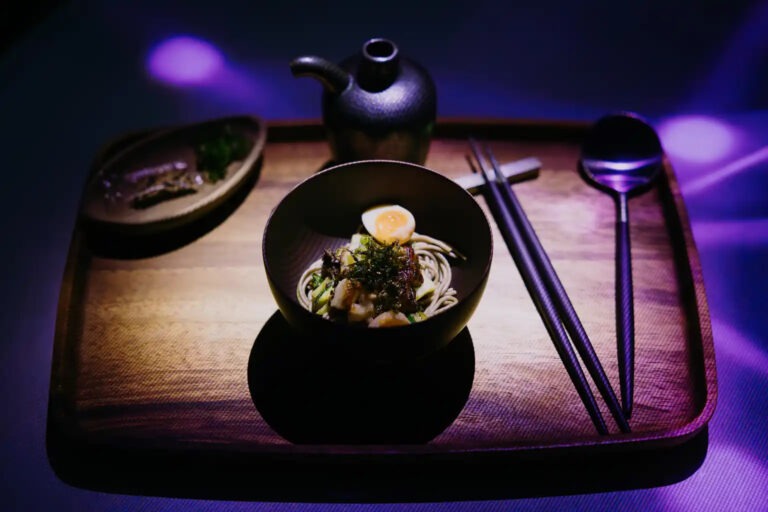
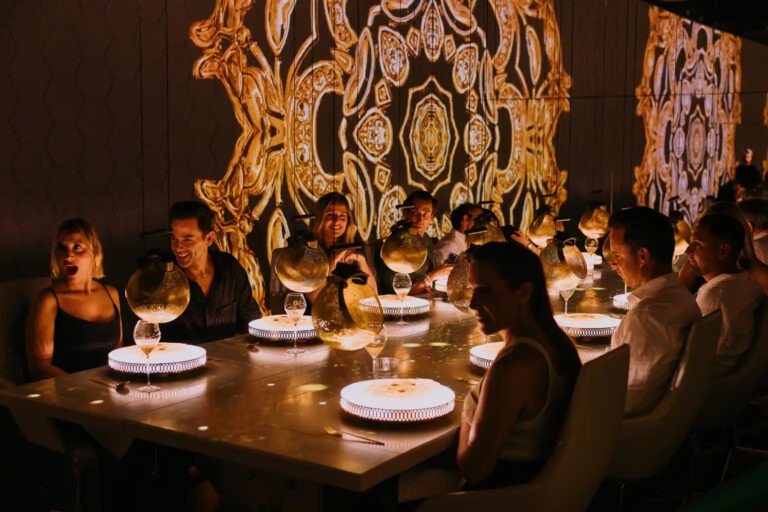
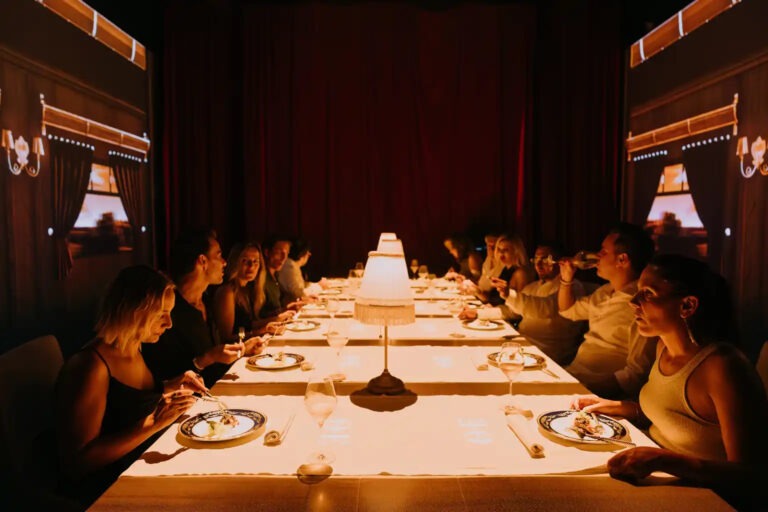
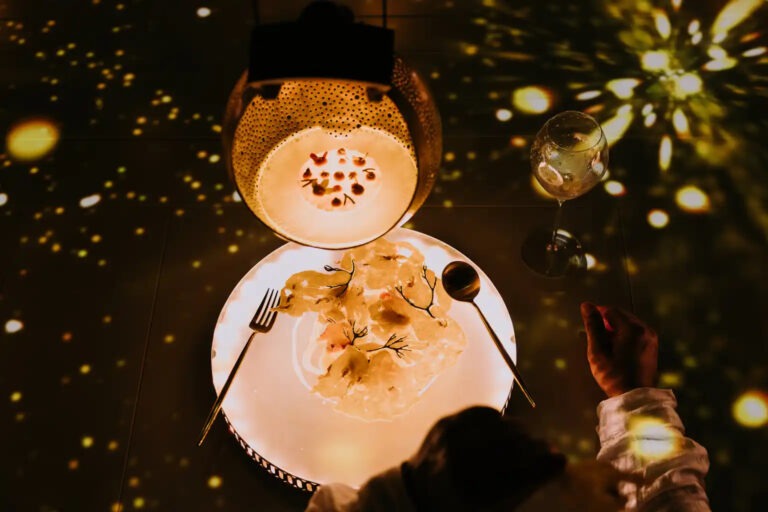
Credit: Sublimotion Ibiza
Sublimotion
Sublimotion is unlike almost any other dining experience in Europe. Created by chef Paco Roncero and presented in Ibiza as a fusion of haute cuisine, technology, theatre and immersive storytelling, it describes itself as the world’s first gastronomic performance. Rather than placing the food at the centre of a conventional dining room and allowing the surroundings to support it, Sublimotion builds an entire production around a single table, combining gastronomy with projection, sound, lighting, illusion, music and scenography. The experience is intentionally limited in scale, with one table accommodating up to 12 guests per service.
What It Is Known For
Sublimotion is best known for its extraordinarily theatrical approach to fine dining and for the calibre of chefs and creative specialists involved in the experience. Paco Roncero, who created the concept, has two Michelin stars and three Repsol Suns, while the wider creative team has included internationally recognised chefs and artists such as Elena Arzak, Dani García, Diego Guerrero, Ana Roš and pastry chef Janice Wong. The experience therefore operates somewhere between a Michelin-level tasting menu, a live performance and an immersive art installation.
Cuisine
The cuisine is avant-garde Spanish gastronomy, with Paco Roncero’s cooking providing the foundation and international culinary collaborations contributing to the broader experience. The menu is designed as a progression rather than a conventional sequence of restaurant courses, incorporating highly technical preparations, premium ingredients and dishes that can be transformed by the visual and theatrical environment around them.
Signature Dishes & Specialties
Sublimotion does not operate around a fixed collection of signature dishes in the traditional sense, as the experience and menu evolve with the production. Past and current examples have included red-prawn, razor-clam and octopus nigiri; almond vichyssoise with langoustine; eggs with caviar and potato feathers; roasted foie gras with spinach curry; and sole with black butter. The involvement of chefs such as Elena Arzak also allows individual dishes to carry their own gastronomic identity within the larger performance.
Setting & Atmosphere
The setting is deliberately fluid. Instead of a conventional dining room, guests enter an immersive environment in which walls, ceiling, table and surrounding space can become part of the narrative. Projection mapping, sound, lighting, music, illusion and physical set design are integrated with the meal, meaning the atmosphere can change dramatically from one course to the next. With only one table per service, the experience is unusually controlled and private compared with even the most intimate tasting-menu restaurants.
Location
Sublimotion is located in Ibiza, within the Hard Rock Hotel Ibiza complex on the Playa d’en Bossa side of the island. Its location makes it particularly suited to travellers already staying in Ibiza’s luxury hotel circuit, although the experience is sufficiently distinctive to justify making it a destination in its own right.
What Makes It Different
The distinction is structural rather than simply aesthetic. Almost every luxury restaurant uses lighting, music, design and service to influence the atmosphere; Sublimotion makes those elements part of the actual culinary composition. A course can be accompanied by a change in projection, soundscape or physical environment, turning dinner into a carefully produced sequence rather than simply a meal served in an impressive room. The extremely limited capacity reinforces that sense of exclusivity: the concept operates around a single table of up to 12 guests per service.
Price Level
Sublimotion sits at the extreme end of European dining prices. Its published terms list the experience at €1,650 per person, including tax, with one tasting menu paired with premium beverages. The price reflects the entire production rather than the food alone: guests are effectively purchasing a multi-sensory gastronomic performance involving cuisine, technology, entertainment and theatrical production.
Reservation Advice
Advance booking is essential. The experience operates with extremely limited capacity, and reservations can be made by individual seat or by reserving the complete table. Guests should also communicate allergies or dietary restrictions at the time of booking or at least 24 hours before the experience. The published schedule states that the welcome cocktail begins at 20:30, dinner at 21:00 and the performance lasts approximately two and a half hours.
Best Time to Visit
Sublimotion is fundamentally an evening experience, so the season matters less than it would at a restaurant defined by an outdoor terrace or landscape. Ibiza’s summer season is when the concept traditionally operates, making June through September the natural period for planning a visit. The experience itself is deliberately insulated from the outside environment, allowing the production to create its own atmosphere once guests enter.
What to Order
There is no meaningful à la carte decision to make here. Sublimotion is experienced through its single tasting-menu format, so the best approach is to arrive prepared to surrender the progression to the kitchen and creative team. The premium beverage pairing is integral to the format rather than simply an optional addition, particularly because the experience is designed as a continuous sequence of food, drink, visual effects and performance.
Reserve an Experience
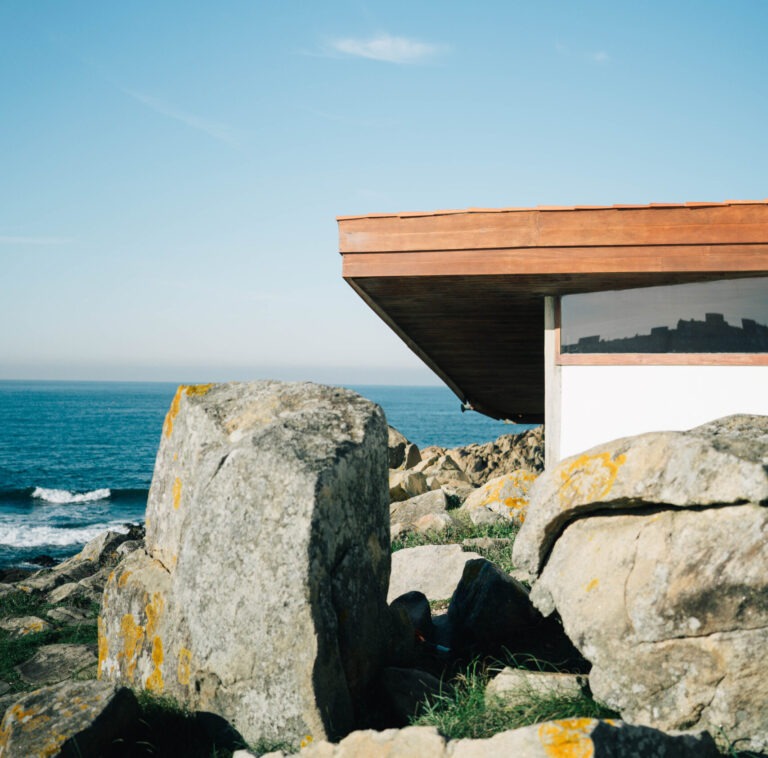
Credit: Casa de Chá da Boa Nova
Casa de Chá da Boa Nova
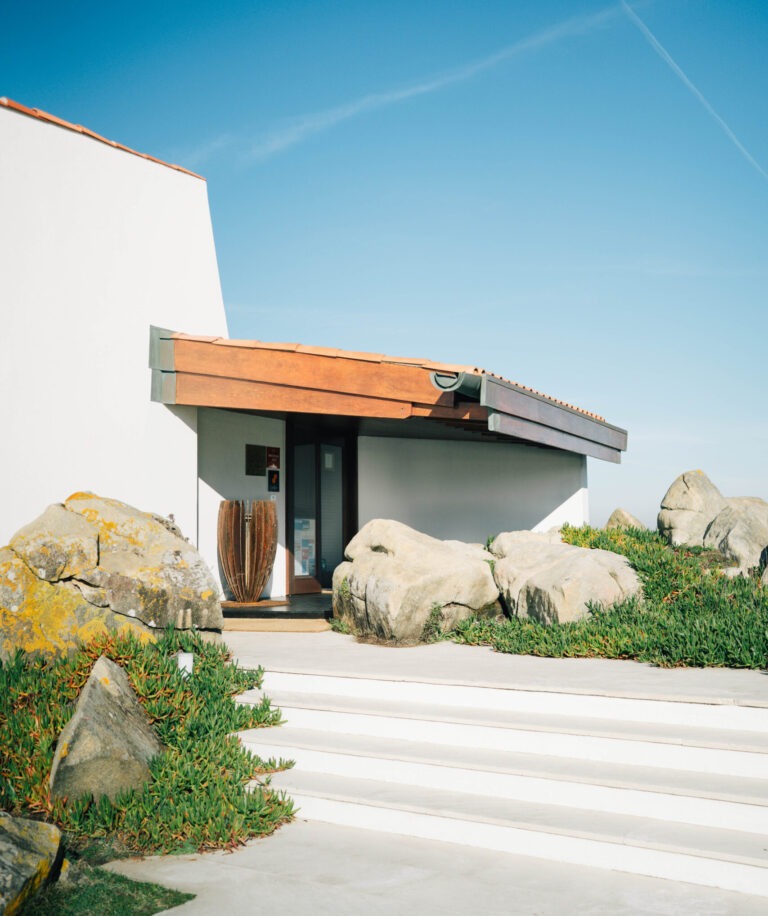
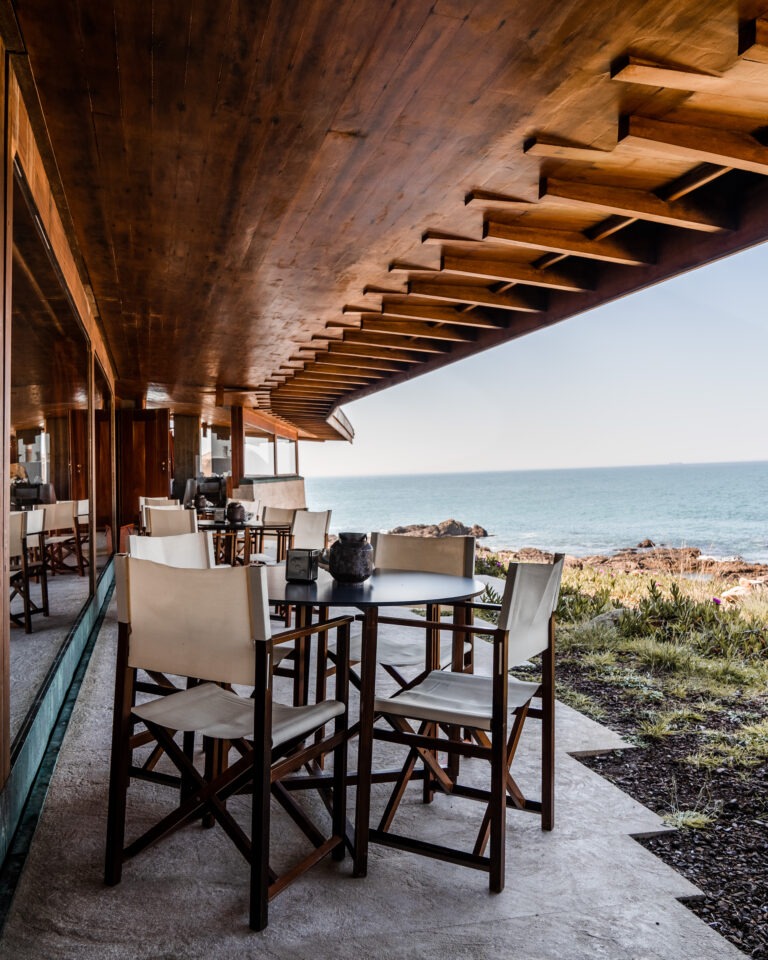
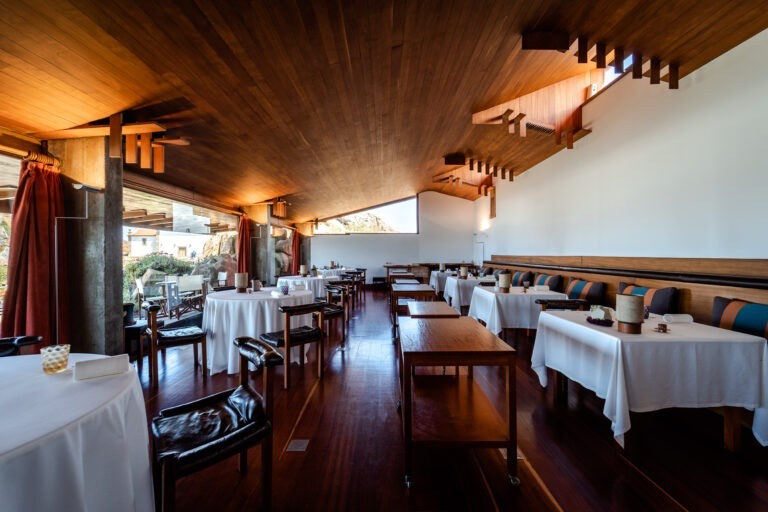
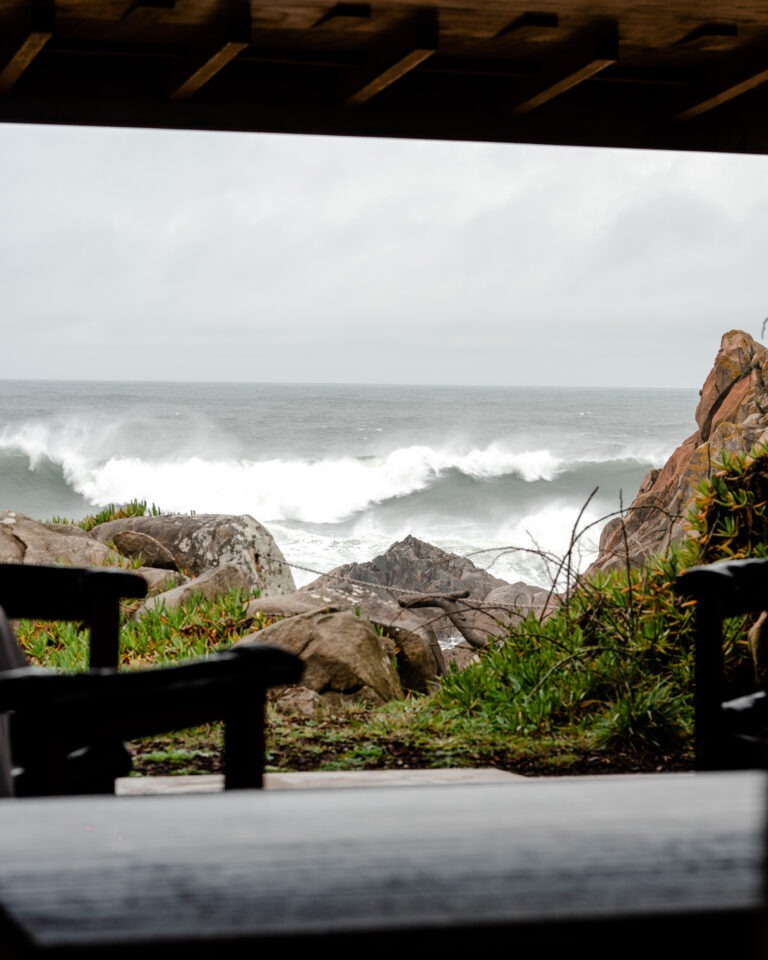
Casa de Chá da Boa Nova is one of Portugal’s rare restaurants where the architecture is almost as important as the food. Built directly into the rocks beside Boa Nova Beach in Leça da Palmeira, the building was designed by Portuguese architect Álvaro Siza Vieira and is now a National Monument. Its enormous windows bring the Atlantic directly into the dining room, with waves, rocks and changing coastal light forming part of the experience. Under Executive Chef Rui Paula, with Executive Chef Catarina Correia, the restaurant turns that landscape into a seafood-led contemporary dining experience that has retained two Michelin stars.
What It Is Known For
The restaurant is known for its unusually literal relationship with the Atlantic. Its current culinary concept takes inspiration from Luís Vaz de Camões and The Lusiads, while the tasting experience is structured around the sea, Portuguese ingredients and contemporary technique. The restaurant’s Cantos tasting menus are available in six, twelve or twenty-one dishes, allowing guests to choose how deeply they want to enter the kitchen’s interpretation of the Atlantic.
Cuisine
The cooking is contemporary Portuguese in spirit, but the sea dominates the menu. Atlantic fish, shellfish and crustaceans are treated with precise modern techniques while retaining their natural flavours. The restaurant describes its approach as an “ethno-emotional cuisine”: technically contemporary, but still connected to Portugal’s cultural roots and the genuine character of the ingredients.
Signature Dishes & Specialties
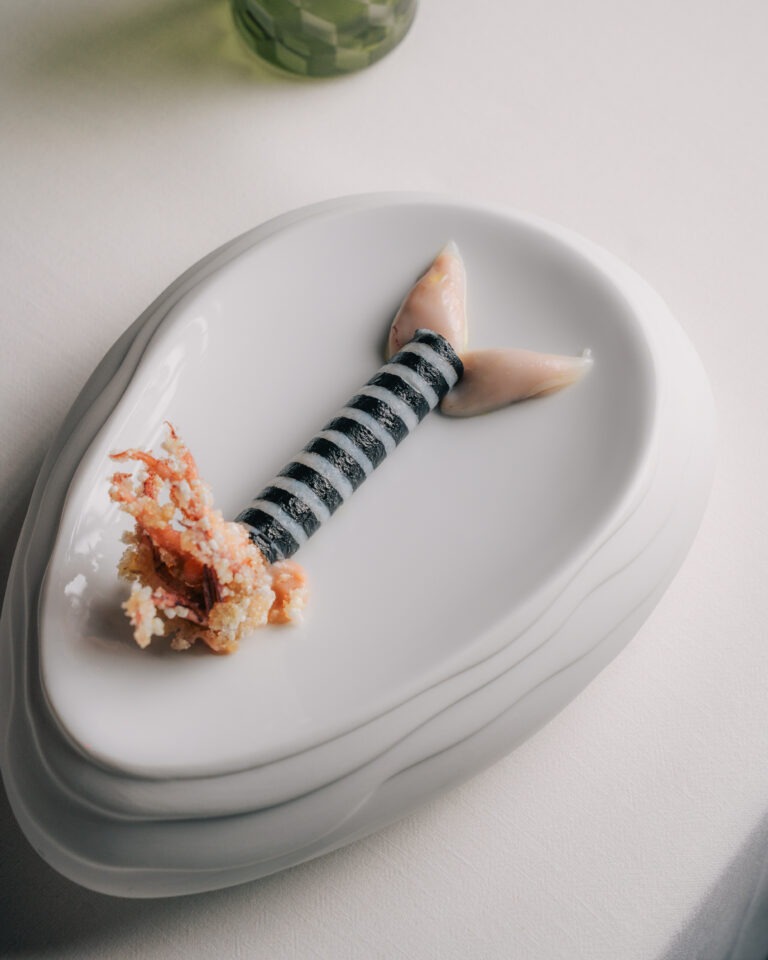
The menu changes, but several dishes illustrate the restaurant’s identity particularly well. Red Prawn, Broccoli & Kaffir Lime, “Chanel” Squid and John Dory with Endive are among the dishes highlighted by the Michelin Guide. Other current menu examples include oyster with tuna, scarlet shrimp with chawanmushi and lemon, and crawfish paired with Korean soup. The kitchen’s treatment of squid is especially playful: the “Chanel” Squid uses the mollusc in six different preparations within one dish.
Setting & Atmosphere
The setting is the restaurant’s greatest visual asset. The building sits almost impossibly close to the Atlantic, with low stone walls, timber, concrete and enormous windows carefully positioned around the surrounding rocks. Inside, the ocean can feel almost at table level, while outside, the restaurant appears to emerge directly from the coastline. The atmosphere changes dramatically with the weather and time of day: a bright lunch exposes the architecture and horizon, while dinner turns the building into a much more intimate refuge against the Atlantic.
Location
Casa de Chá da Boa Nova is located at Avenida da Liberdade 1681, Leça da Palmeira, just outside Porto. It sits directly beside Praia da Boa Nova, making it easy to combine the meal with a walk along the coastline. The building is also significant enough architecturally to form part of the international architectural route associated with Siza Vieira.
What Makes It Different
Very few fine-dining restaurants can claim to have their architecture, landscape and cuisine working as one continuous experience. Here, Siza Vieira’s building was designed around the coastline rather than simply placed beside it. The restaurant later translated that same relationship into its cooking, making Atlantic fish and seafood the central language of the menu. Even the name of the current concept draws from Camões’ maritime poetry. It is therefore as much a destination for architecture and landscape as it is for gastronomy.
Price Level
This is firmly a high-end Michelin dining experience. The current Cantos format offers six, twelve or twenty-one dishes, with recent menu information placing the experiences at approximately €195, €245 and €295 respectively, before wine pairing. Wine pairings are approximately €135, €175 and €195, depending on the length of the menu. Individual dishes such as scarlet shrimp and oyster with tuna are around €45–€65 when available à la carte.
Reservation Advice
Advance reservation is essential, particularly if you want a specific table or a dinner close to sunset. The restaurant operates lunch and dinner from Tuesday to Saturday and is closed Sunday and Monday. For the full experience, allow several hours rather than scheduling another major activity immediately afterwards—the longer tasting menus are deliberately paced.
Best Time to Visit
Sunset is the obvious choice, particularly from late spring through early autumn, when the Atlantic light can transform the enormous windows into part of the dining experience. A daytime lunch, however, is arguably better for architecture lovers because the natural light reveals Siza Vieira’s relationship with the rocks, horizon and surrounding landscape. If choosing purely for the restaurant’s visual character, I would prioritise a clear-weather day.
What to Order
If this is your first visit, the Cantos tasting menu is the experience to choose rather than trying to construct a meal à la carte. The twelve-dish option offers a substantial introduction without committing to the longest format, while the twenty-one-dish menu is for guests who want the full progression through the kitchen’s maritime repertoire. Expect seafood to dominate, with dishes such as scarlet shrimp, oyster, tuna, John Dory and squid appearing throughout the experience.
Reserve a Table
Credit: Deessa / The Ritz-Carlton, Madrid Via Instagram
Deessa
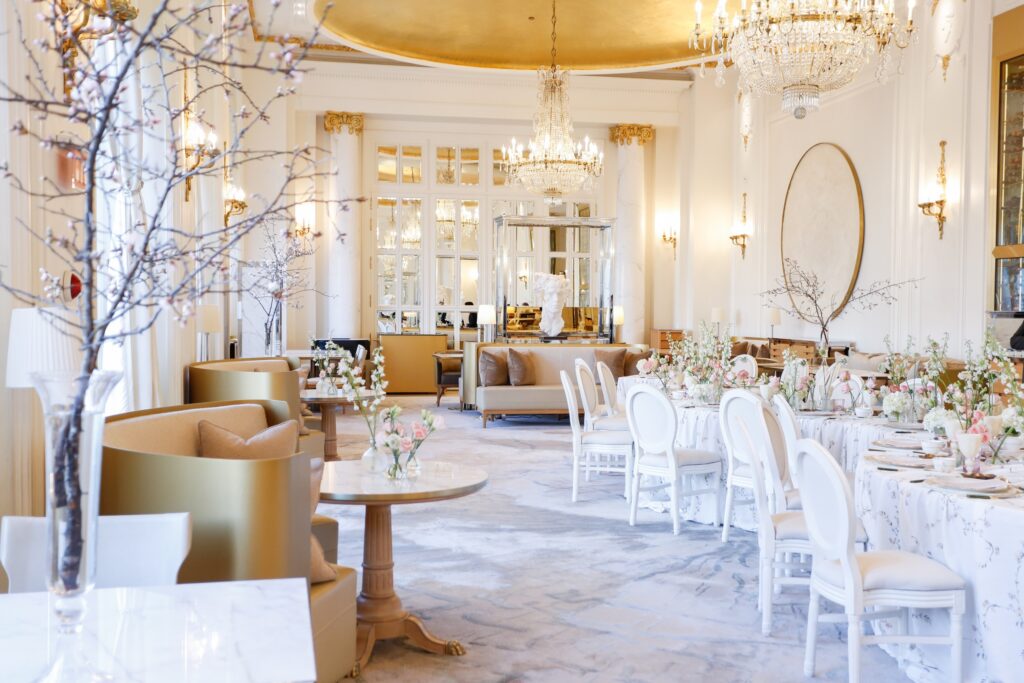
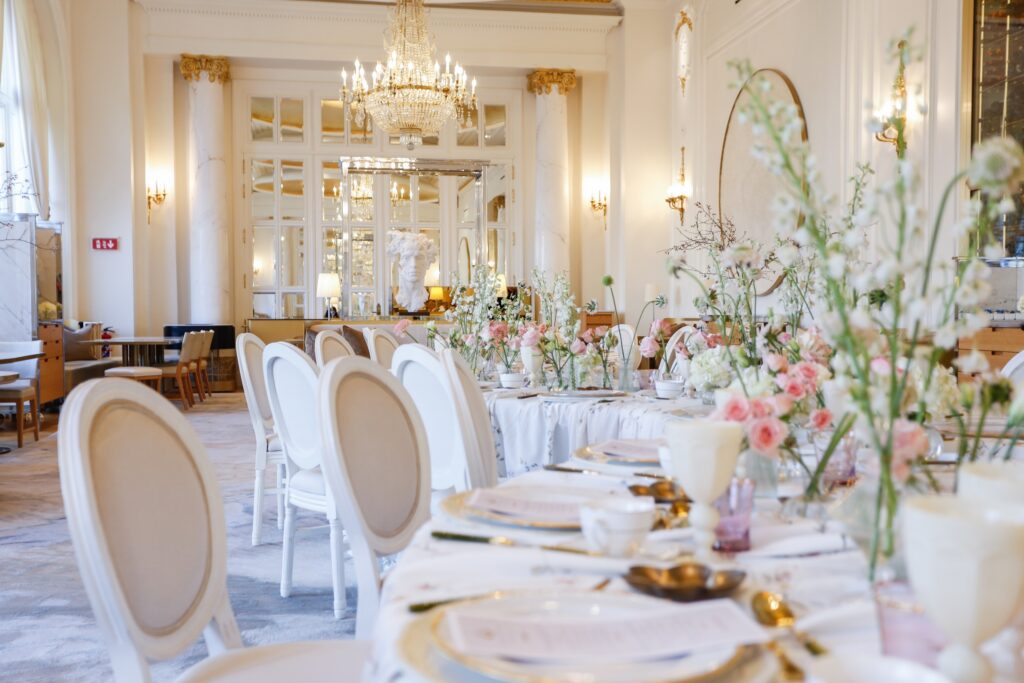
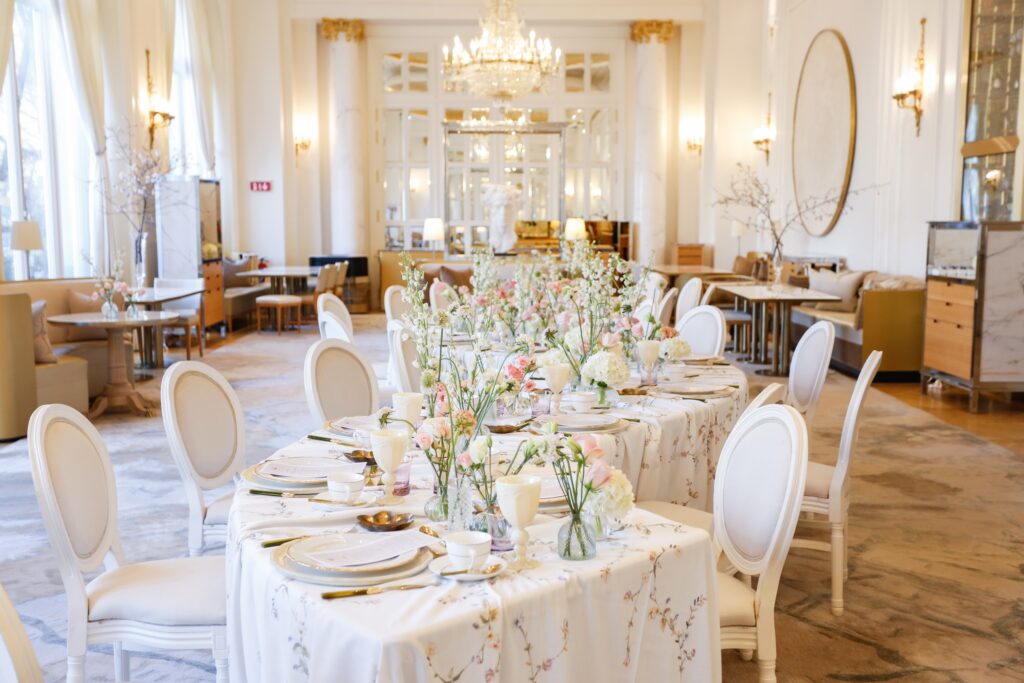
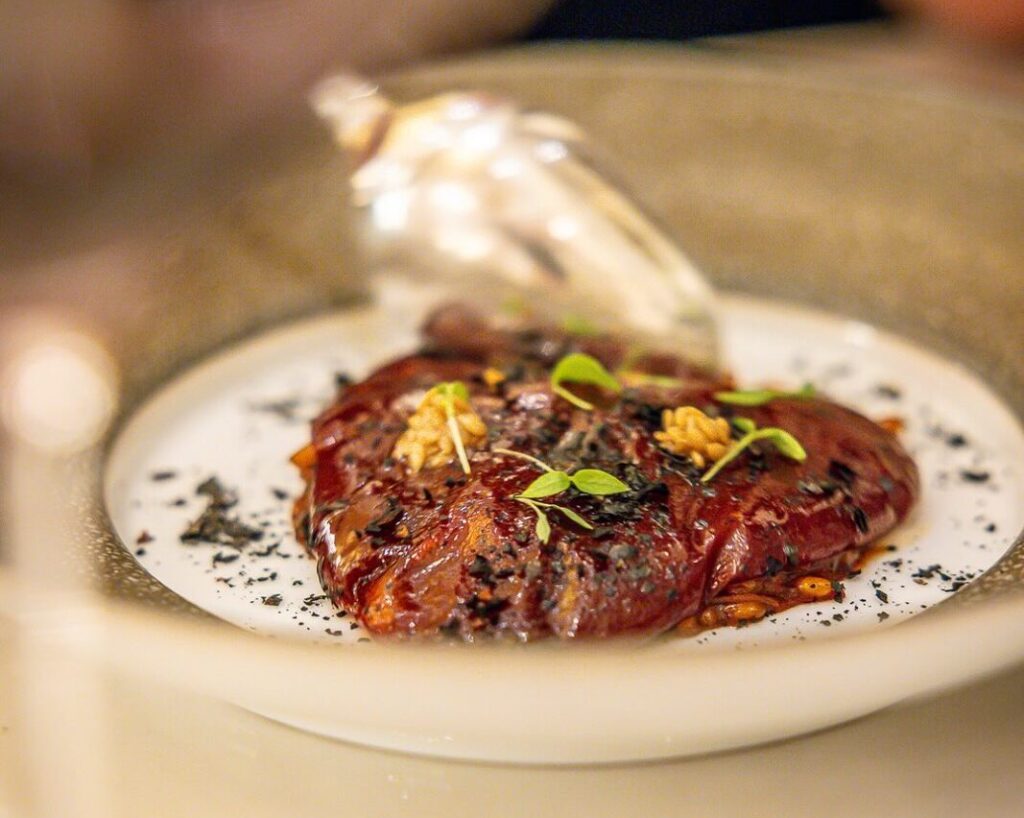
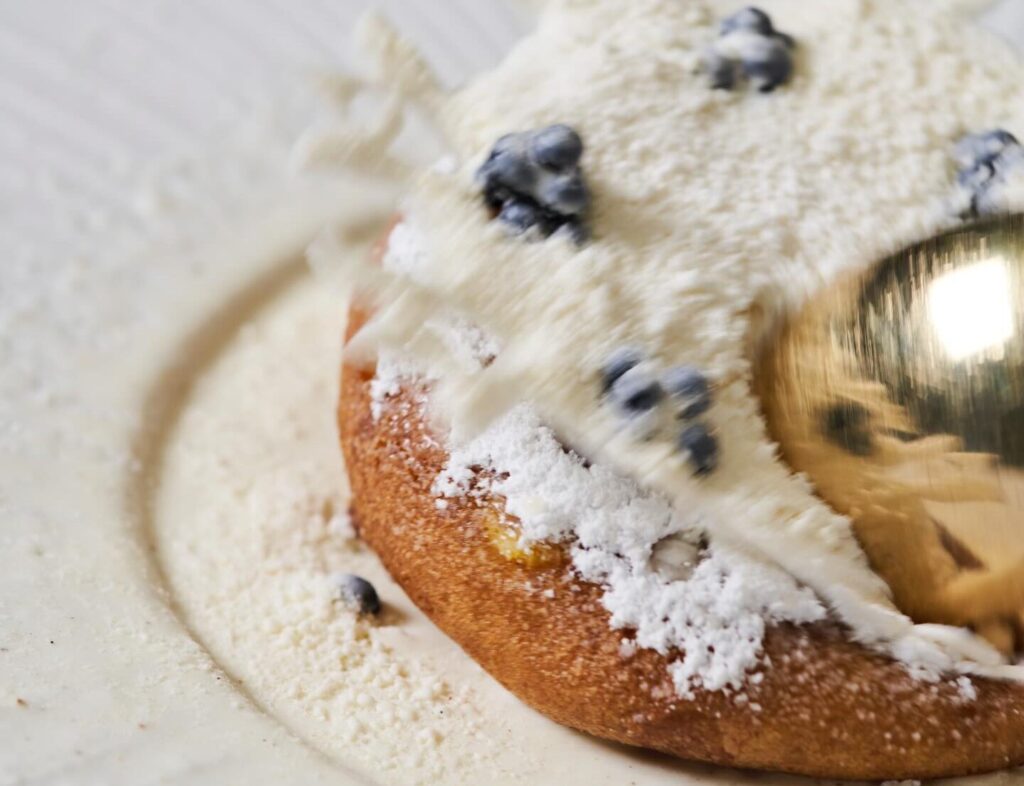
Inside the Mandarin Oriental Ritz, Madrid, Deessa brings together one of the city’s most historic luxury hotels with the culinary vision of Quique Dacosta, one of Spain’s most internationally recognised chefs. The restaurant currently holds two Michelin stars, with resident head chef Domenico Vildacci executing Dacosta’s culinary direction in the hotel’s magnificent Alfonso XIII Salon. The result is a dining room where haute cuisine, Spanish culinary heritage and the grandeur of one of Madrid’s landmark hotels are treated as parts of the same experience.
What It Is Known For
Deessa is known for its sophisticated interpretation of Mediterranean cuisine, its relationship with Quique Dacosta and its setting within the Mandarin Oriental Ritz. The restaurant offers two principal tasting experiences: Históricos Quique Dacosta, bringing together dishes associated with the chef’s three-Michelin-starred restaurant in Dénia, and Contemporáneo Quique Dacosta, which presents a more current expression of his cooking. A shorter Chronos format is also available on selected weekdays.
Cuisine
The cooking is contemporary Mediterranean with strong Spanish and regional influences, moving between the sea and the land while drawing on local produce and cultural references. Dacosta’s cuisine is characterised by the combination of tradition and innovation, with technique used to reinterpret ingredients without losing their identity. At Deessa, Mediterranean flavours are also combined with influences from Extremadura, creating a menu that extends beyond a narrowly regional interpretation of Spanish cuisine.
Signature Dishes & Specialties
Deessa’s menus are intentionally evolving, so its strongest signatures are better understood through Dacosta’s culinary repertoire than through a permanent list of dishes. The Históricos menu is particularly significant because it brings together preparations from the chef’s three-Michelin-starred restaurant in Dénia, effectively creating a condensed journey through some of his most important work. The Contemporary menu takes the opposite approach, using current ingredients and ideas to express his present culinary direction.
Setting & Atmosphere
The Alfonso XIII Salon is one of the great assets of the experience. The restaurant occupies an elegant historic room within the Mandarin Oriental Ritz, with ornate architectural detailing, refined furnishings and views towards the hotel’s garden. A terrace overlooking the Ritz Garden provides an additional dimension when weather permits. The setting is formal and luxurious without requiring the restaurant to become theatrically extravagant; the architecture supplies much of the occasion naturally.
Location
Deessa is located at Plaza de la Lealtad 5, 28014 Madrid, inside the Mandarin Oriental Ritz. Its position places it between the city’s historic centre and the Paseo del Prado, within easy reach of the Prado Museum, Retiro Park and several of Madrid’s most important cultural institutions.
What Makes It Different
The strongest distinction is the relationship between chef, hotel and dining room. Deessa is not simply a Michelin-starred restaurant housed inside a luxury hotel: the Alfonso XIII Salon, the Ritz’s heritage and Dacosta’s culinary identity are deliberately presented as one experience. The hotel itself holds three Michelin Keys, while Deessa holds two Michelin stars, creating an unusually strong combination of recognised hospitality and gastronomy.
Price Level
Deessa sits firmly within Madrid’s highest tier of fine dining, with its full tasting menus positioned as a substantial gastronomic experience rather than an à la carte restaurant meal. The restaurant’s formats vary according to the menu selected, with the full Historical and Contemporary experiences representing the most complete expression of Dacosta’s cuisine, while Chronos provides a shorter and more flexible alternative on selected weekdays.
Reservation Advice
Advance reservations are strongly recommended, particularly for dinner and for guests seeking the complete tasting-menu experience. Deessa currently serves lunch and dinner from Wednesday to Saturday, while the Chronos menu is offered on selected weekdays. The restaurant also has seasonal closures, so dates should be checked carefully when planning a visit.
Best Time to Visit
Spring and early autumn are particularly attractive for Madrid, when the surrounding Retiro and Prado area is pleasant for exploring before or after lunch. For the restaurant itself, however, an evening reservation provides the strongest sense of occasion as the Alfonso XIII Salon becomes increasingly atmospheric after dark. A daytime visit has its own appeal for guests who want to appreciate the architectural detail and garden views more clearly.
What to Order
For a first visit, the Contemporary Quique Dacosta menu is the strongest choice for understanding Deessa as it exists today, while the Históricos Quique Dacosta menu is particularly worthwhile for guests interested in the chef’s wider career and the dishes that established his international reputation. If a shorter experience is preferred, the Chronos format provides a more flexible introduction while retaining the restaurant’s gastronomic identity.
Reserve a Table
Credit: Five Senses via Instagram
Five Senses
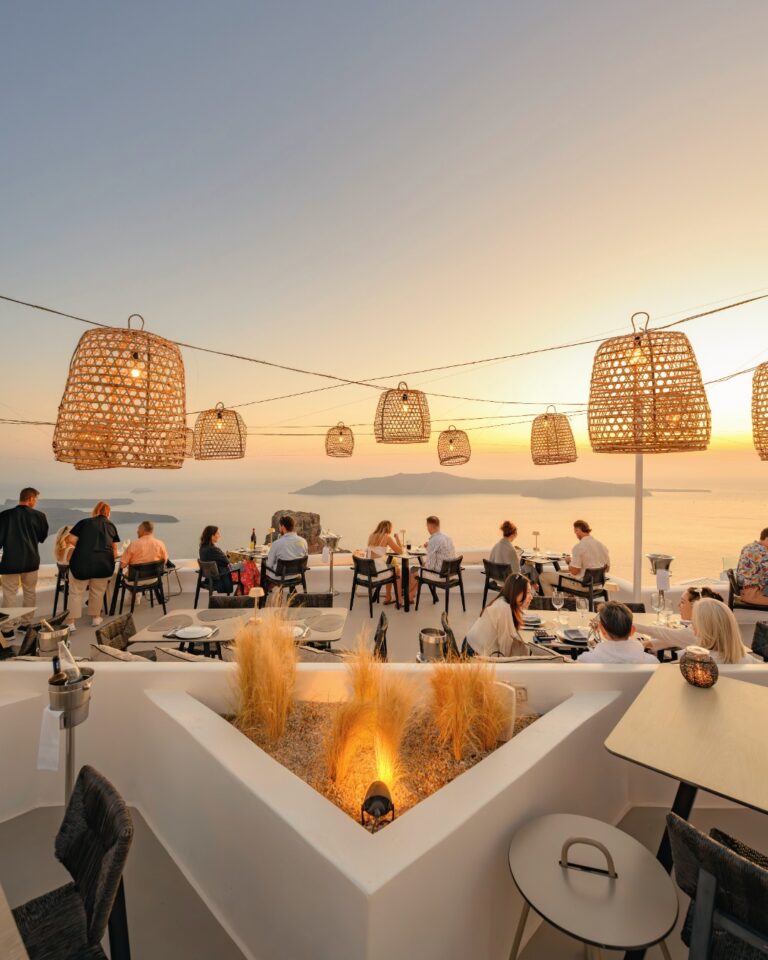
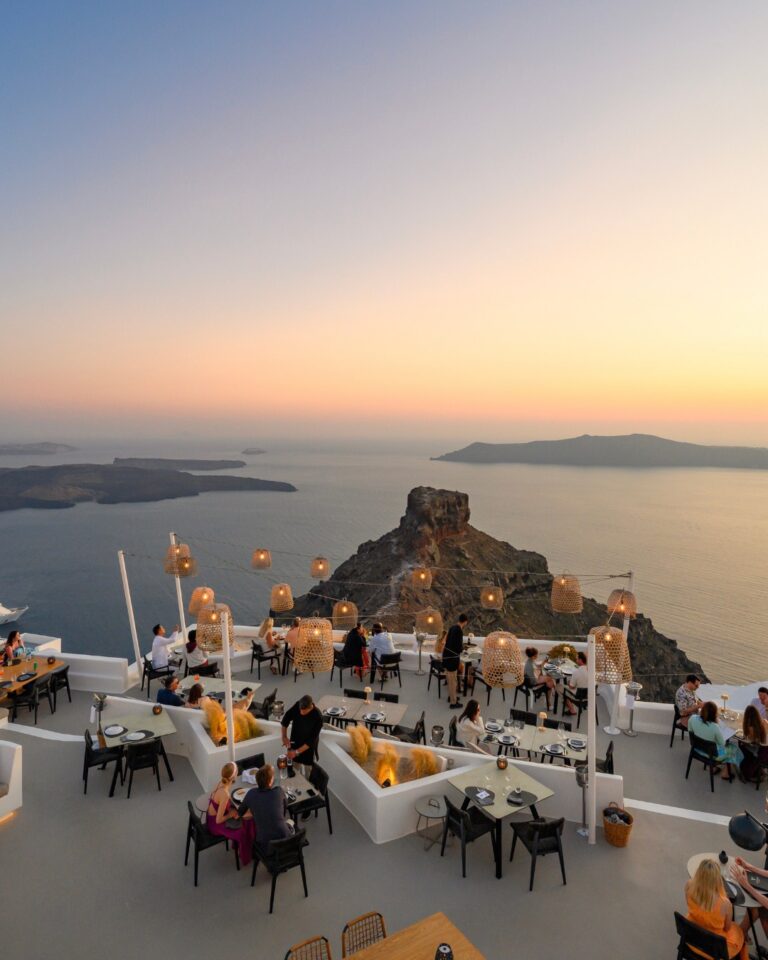
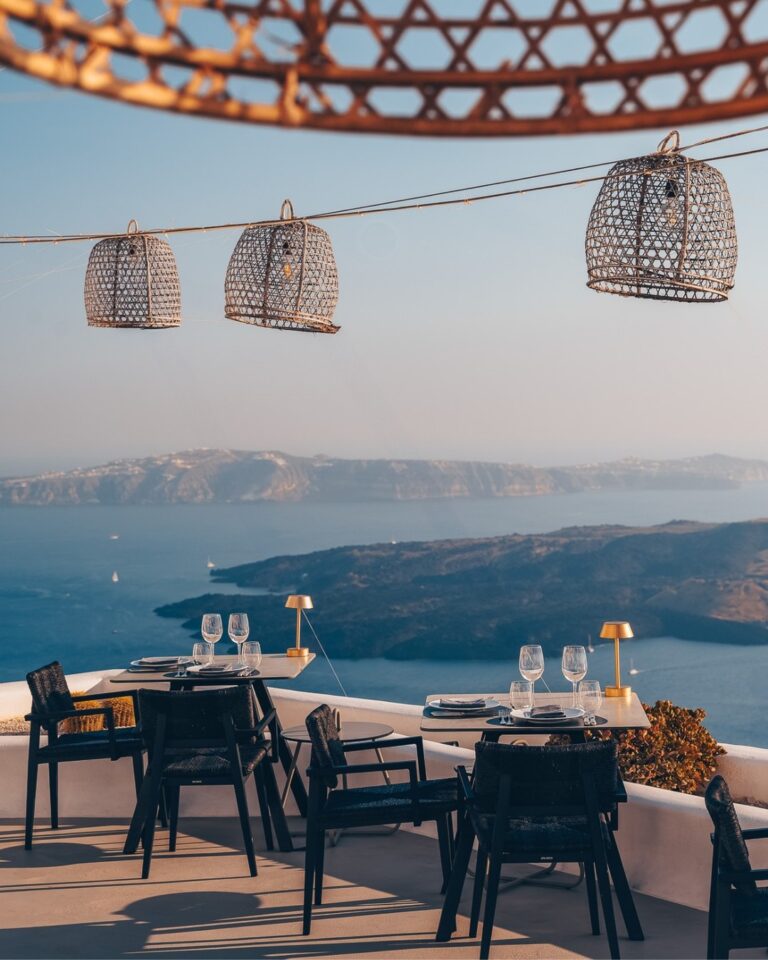
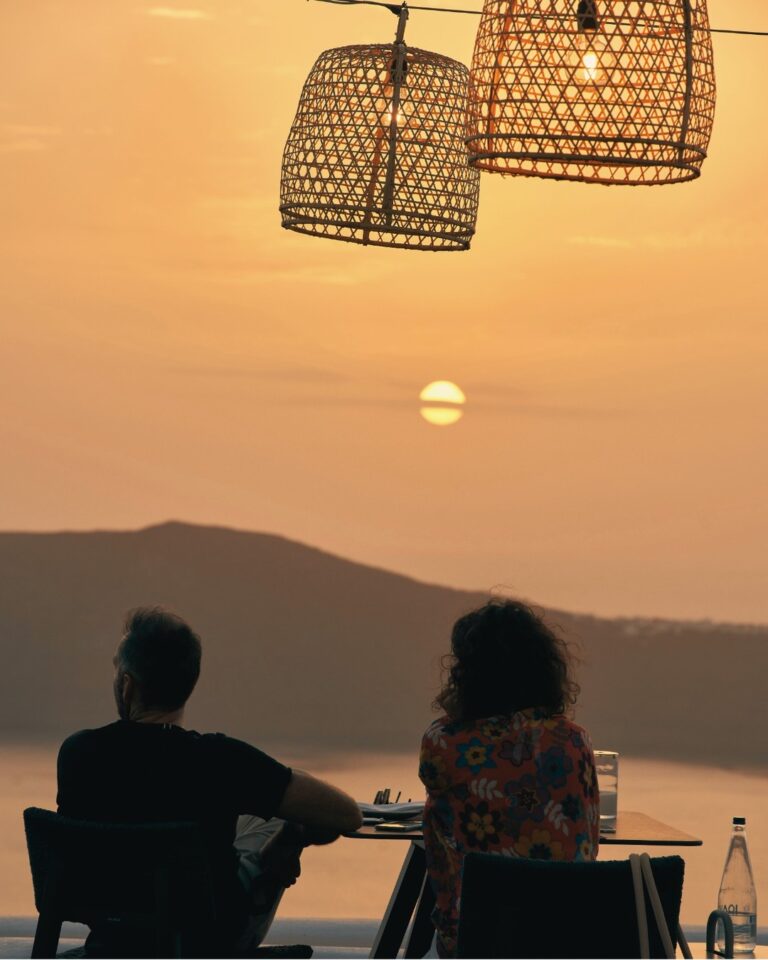
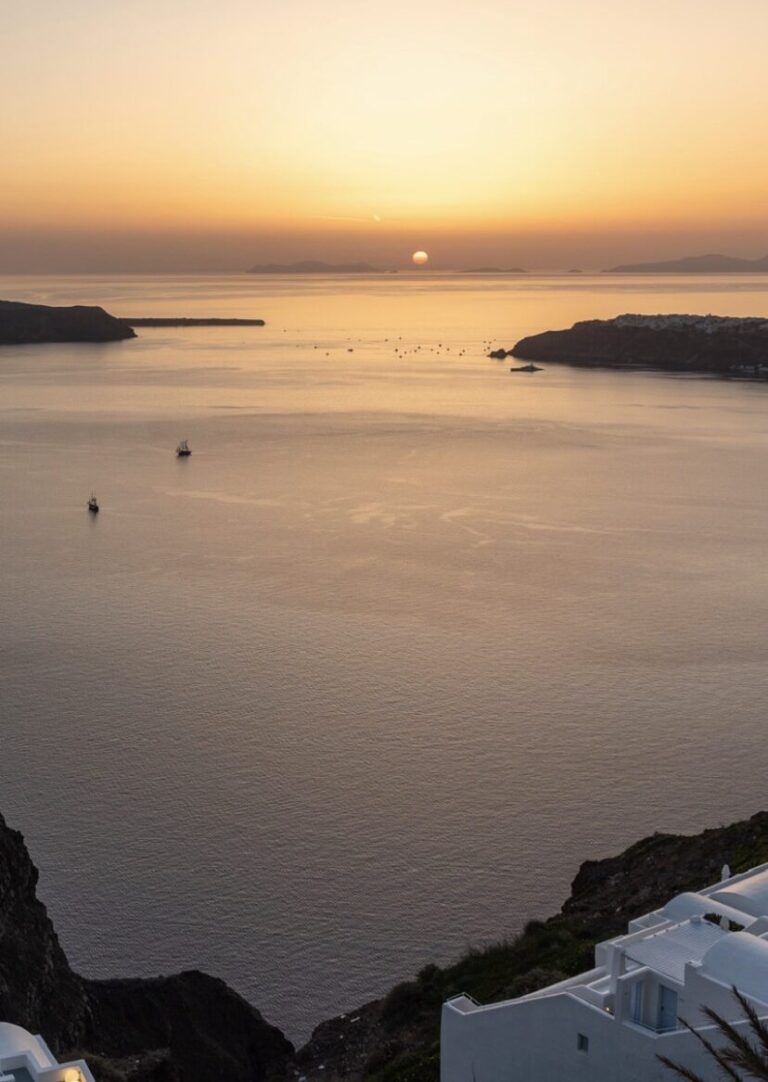
Five Senses brings together two things Santorini does exceptionally well: refined Mediterranean cooking and the landscape of the caldera. Set at Astra Suites in Imerovigli, the restaurant looks across the volcanic caldera towards Therasia, with the evening light becoming part of the dining experience rather than simply a backdrop. The kitchen takes familiar island ingredients—tomatoes, fava, sea urchin, fish and local wines—and gives them a more polished, contemporary treatment.
What It Is Known For
The restaurant is particularly associated with its caldera-facing position, sunset dining and Santorini-focused Mediterranean cooking. Its name is fitting: the experience is built around more than flavour, with the changing light, sea air, local herbs and sounds of the terrace all contributing to the evening. The restaurant itself describes its cooking as a refined interpretation of Santorini’s culinary tradition.
Cuisine
The cooking is refined Mediterranean, with a strong emphasis on Santorini’s produce and the wider Aegean. Local fava, tomatoes, seafood, fish, herbs and island wines form the foundation, while the presentation and technique give traditional ingredients a more contemporary expression.
Signature Dishes / Specialties
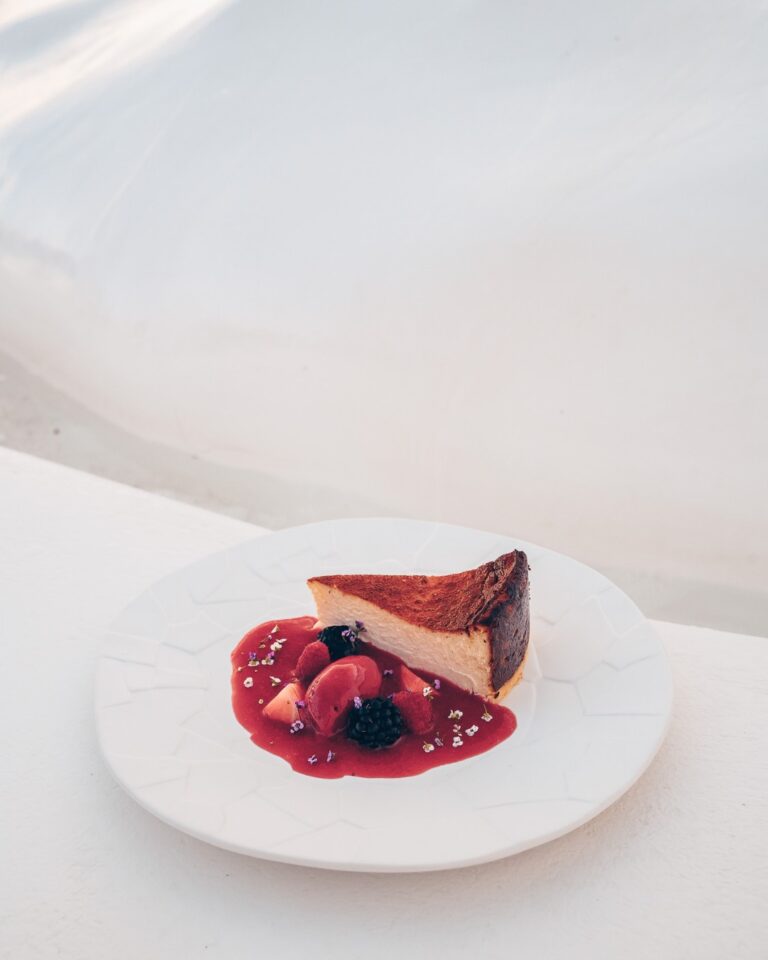
The menu changes with the season, but the ingredients worth looking for are unmistakably Santorinian: fava, local tomatoes, sea urchin, freshly prepared fish and other Aegean seafood. The restaurant’s own description places particular emphasis on the contrast between the island’s produce and crisp local white wines.
Setting & Atmosphere
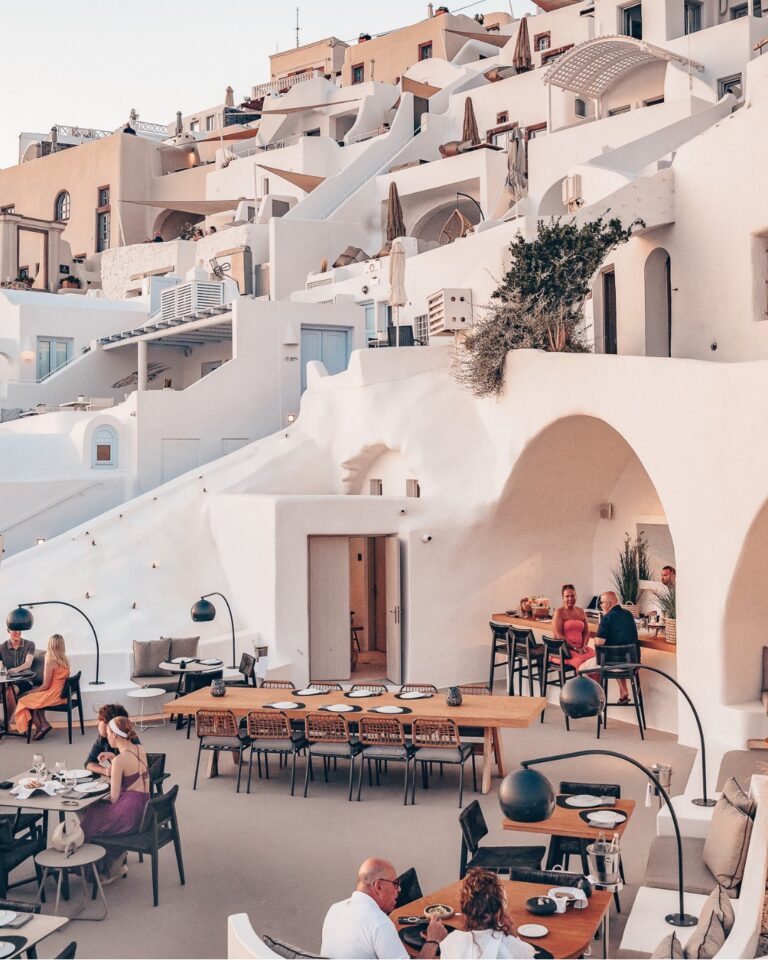
The western-facing terrace is the star. From the tables, the caldera stretches across the horizon while the villages and volcanic landscape gradually change colour as the sun disappears. Jasmine and wild rosemary from the surrounding slopes add another distinctly local element to the setting. It is an intimate, relatively unhurried environment suited to a long dinner rather than a quick meal.
Location
Five Senses is located in Imerovigli, on Santorini’s caldera edge between Fira and Oia. Its position gives it a quieter character than the busiest parts of Oia while retaining the dramatic western views for which the island is known. The restaurant is part of Astra Suites.
What Makes It Different
The appeal is the relationship between place and plate. Santorini’s volcanic soil, maritime climate and distinctive agricultural traditions are not treated as background information; they appear directly in the ingredients and wine list. The restaurant therefore feels connected to the island rather than simply being a luxury dining room with a Santorini view.
Price Level
Upper-end Santorini dining. Expect a full dinner with starters, mains, dessert and wine to move comfortably into the €100+ per person range, with the final cost depending on the dishes and bottles selected. Current pricing should be checked against the restaurant’s seasonal menu before booking, as the kitchen changes its offering throughout the year.
Reservation Advice
Reserve ahead, particularly if the priority is a caldera-facing table around sunset. The restaurant provides direct online reservations and publishes its current menus through its website.
Best Time to Visit
June through September offers the classic Five Senses experience, when the outdoor terrace, long evenings and Santorini sunsets are at their best. For a slightly calmer atmosphere, late September and early October can be particularly appealing.
What to Order
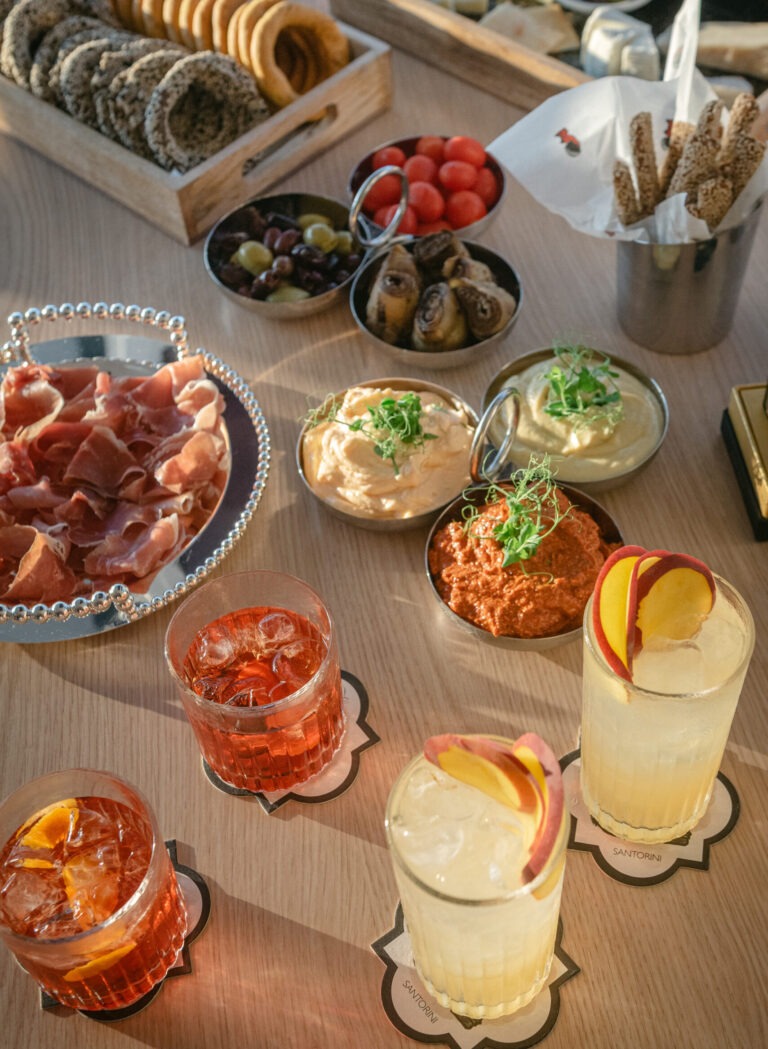
Start with something that showcases Santorini fava or tomatoes, then look towards the day’s seafood or fish preparation. Pair the meal with a Santorini Assyrtiko to bring the island’s mineral, high-acid white wine character into the meal. If sea urchin is available, it is another particularly fitting choice for an Aegean-focused dinner.
Reserve a Table

Credit: The Witchery
The Witchery
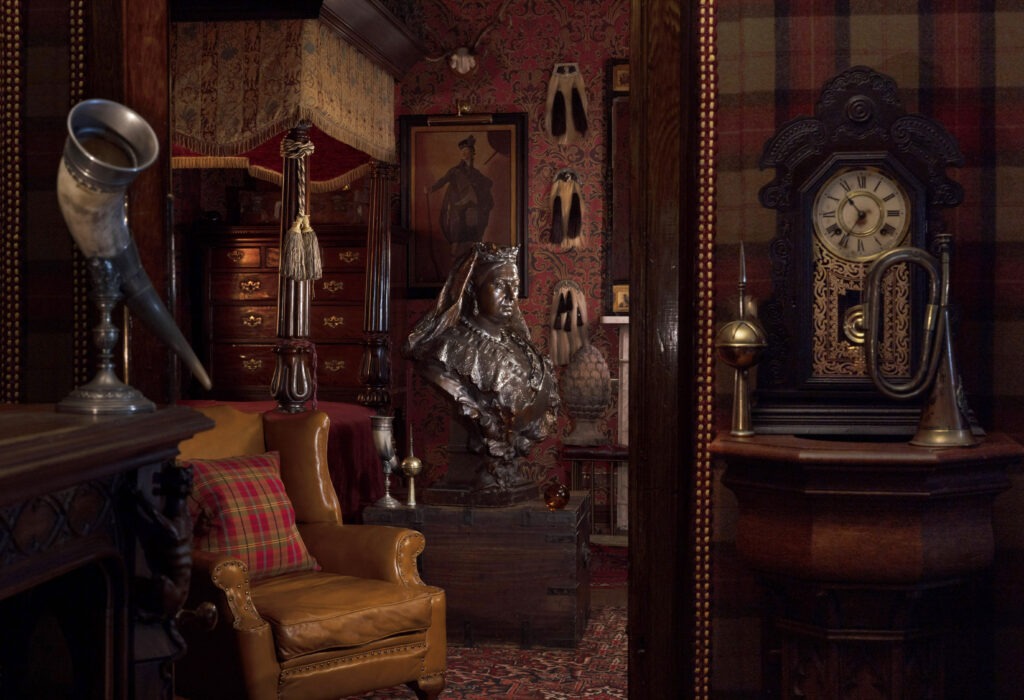
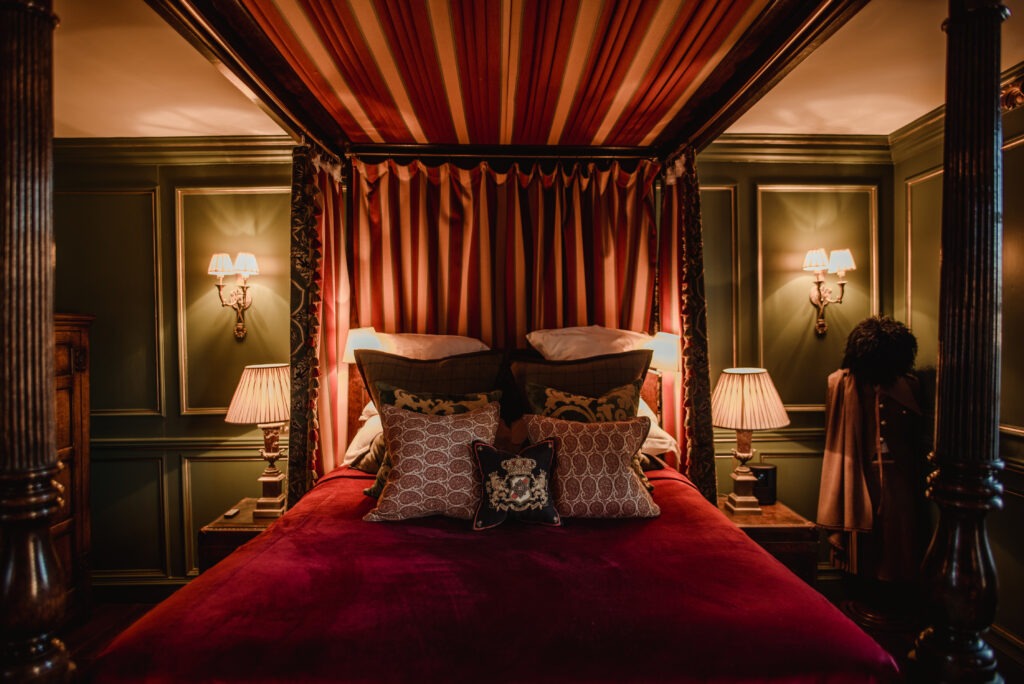
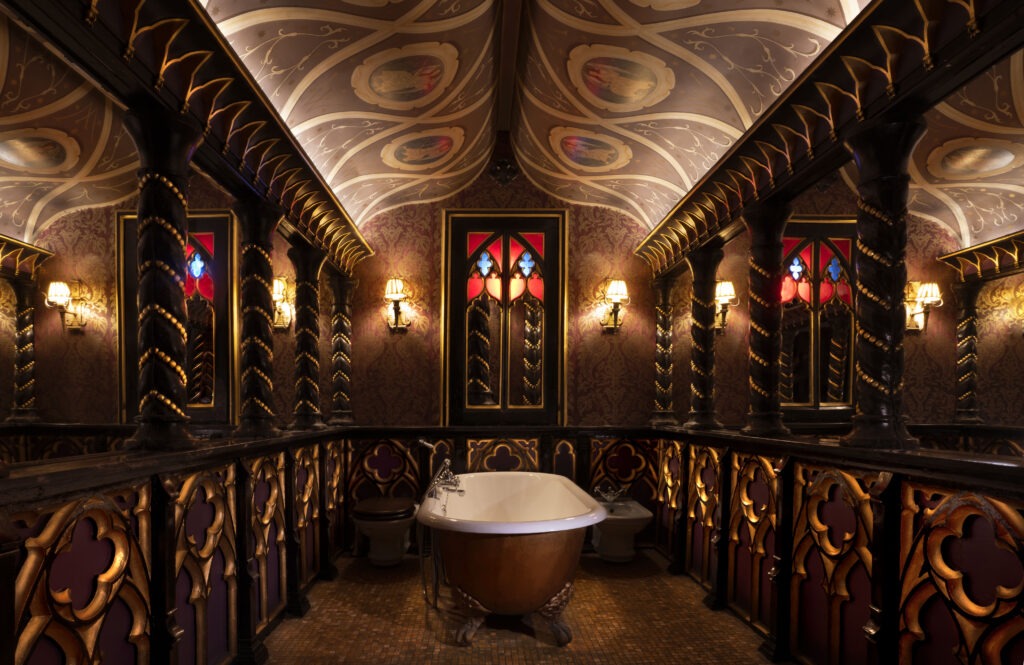
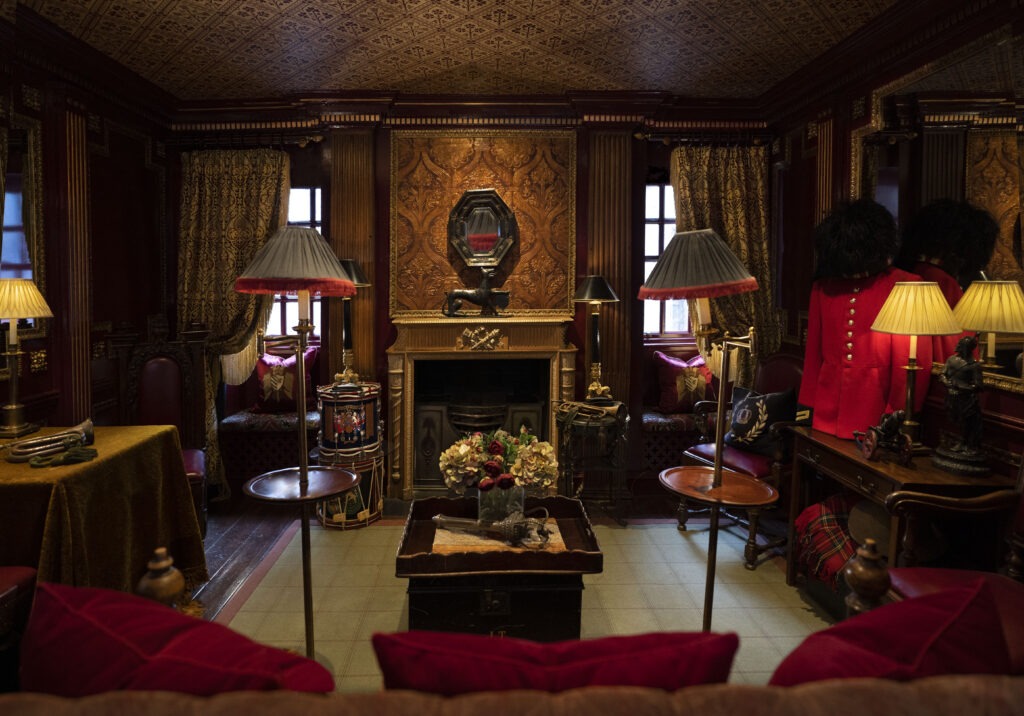
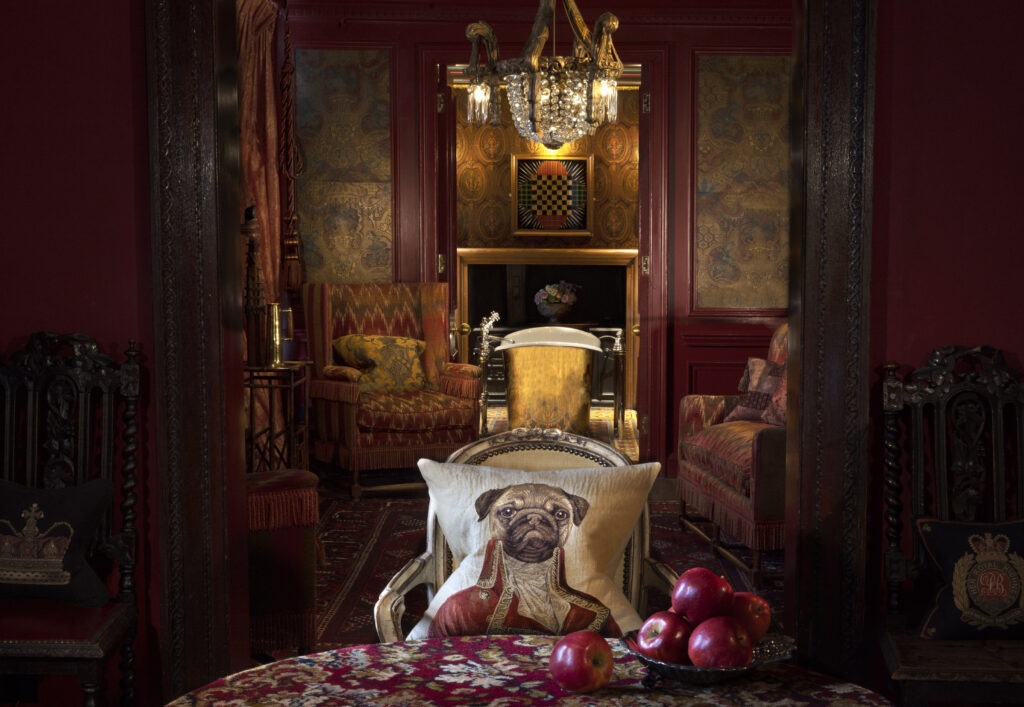
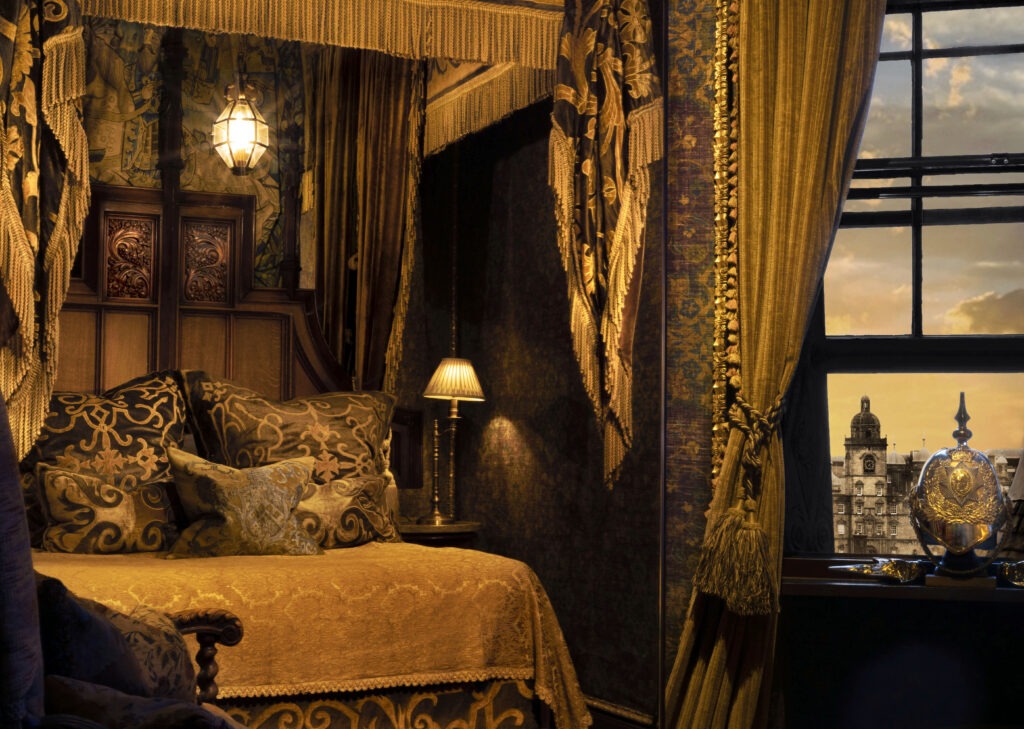
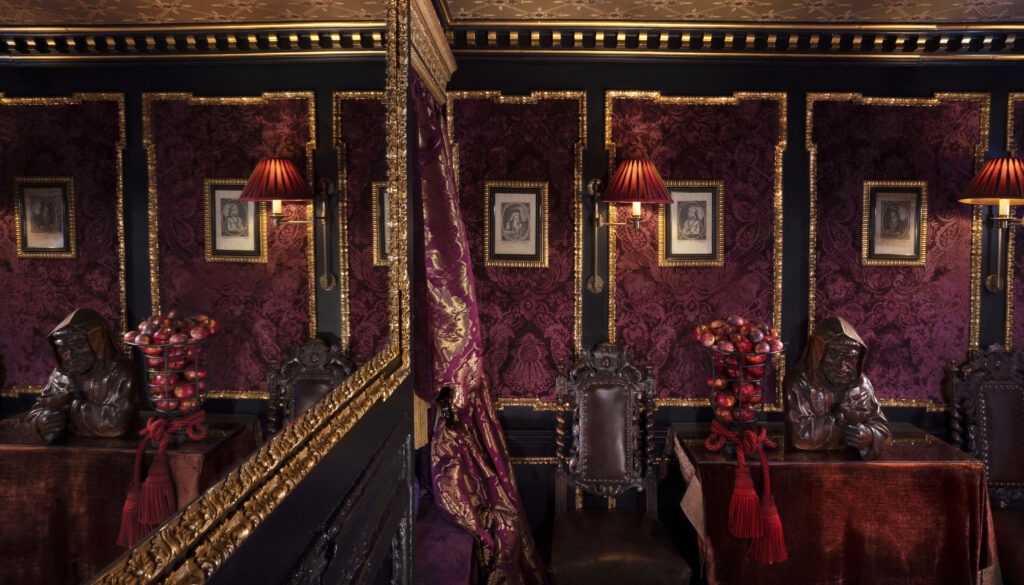
At the top of Edinburgh’s Royal Mile, immediately beside Edinburgh Castle, The Witchery is one of those rare restaurants where the building is inseparable from the meal. The restaurant was established by James Thomson in 1979, but its setting reaches much further back: the surrounding buildings date to the sixteenth century, with parts of the site continuously occupied for more than 400 years. Today, guests can choose between two very different dining rooms while experiencing a menu built around Scotland’s natural larder.
What It Is Known For
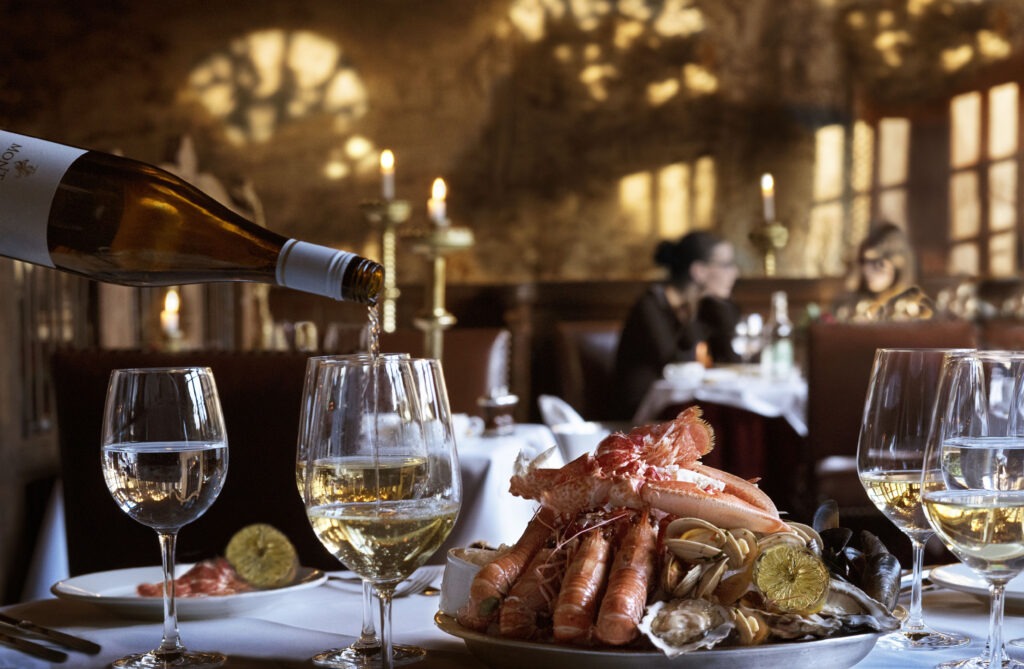
The Witchery is known for Scottish produce, classic dishes, its candlelit interiors and an extensive wine cellar. Scottish lobster and langoustines, Borders beef, Highland game and seafood from East Lothian and the West Coast feature heavily, while the kitchen deliberately retains dishes associated with the grand restaurant tradition, including Tournedos Rossini, Lobster Thermidor and Omelette Arnold Bennet. Its wine collection contains more than 600 bins, developed over four decades.
Cuisine
The cooking is modern Scottish and British cuisine with strong classical French influences. The restaurant takes ingredients from across Scotland and gives them a more formal dining treatment, while preserving dishes that have been part of European restaurant culture for generations. Aged Scotch beef, Highland game, Scottish seafood, haggis and seasonal vegetables sit alongside technically classical preparations.
Signature Dishes / Specialties
There is plenty to choose from, but the Angus beef steak tartare is one of the restaurant’s defining dishes, served with St Ewes egg yolk and mustard mayonnaise. Other enduring choices include Lobster Thermidor, Scotch beef, Findlays of Portobello haggis and the Pink Lady Apple Tart Tatin for two. Current prices range from £16 for the haggis to £96 for a whole Eyemouth lobster, while the 28-day-aged Scotch côte de boeuf for two is £115.
Setting & Atmosphere
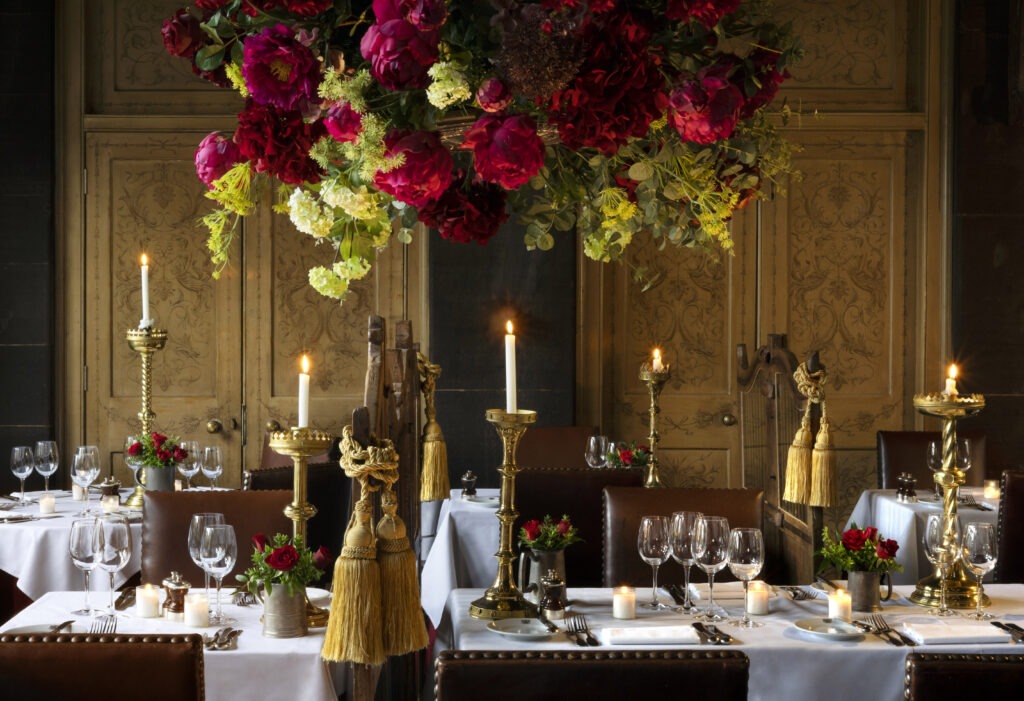
There are two distinct rooms. The Original Dining Room occupies a sixteenth-century merchant’s house and is filled with ancient oak panelling, tapestries, painted ceilings and antique candlesticks. The Secret Garden provides a lighter alternative, with its own decorative character and access towards the terrace. The Original Dining Room is the more theatrical choice, particularly after dark when the candlelight takes over the room.
Location
The Royal Mile, Edinburgh EH1 2NF, directly beside Edinburgh Castle. The restaurant sits within Boswell’s Court, named after former resident James Boswell, and is embedded within one of Edinburgh Old Town’s most historically concentrated areas. Castlehill itself was associated with Scotland’s witch trials during the sixteenth and seventeenth centuries — the origin of the name The Witchery.
What Makes It Different
The name isn’t decorative marketing. The Witchery takes its identity from the hundreds of people executed as witches on Castlehill, while the restaurant occupies buildings with centuries of history. The result is a dining experience where the food, architecture and location tell related stories rather than operating independently. Even the menu follows that principle, deliberately returning to dishes that have survived generations of restaurant culture.
Price Level
The à la carte menu currently ranges from relatively approachable dishes such as the £17 lobster bisque and £23 Scotch beef tartare to the £190 30g Oscietra caviar. Main courses include grilled lemon sole at £54, market fish bouillabaisse at £46, fillet steak at £60 and whole Eyemouth lobster Thermidor at £96. For a more accessible introduction, the set lunch is £39.50 for two courses or £49.50 for three, available seven days a week from noon until 4:30pm, subject to seasonal exclusions.
Reservation Advice
Reservations are strongly recommended, particularly for evening dining and weekends. The restaurant does not accommodate parties larger than six or children under 10, including infants, which helps preserve the character of its dining rooms. The restaurant serves throughout the day, with the last reservation at 10:30pm.
Best Time to Visit
An autumn or winter evening suits The Witchery particularly well, when Edinburgh’s Old Town is dark early and the candlelit interiors become part of the experience. Summer is excellent for exploring the Royal Mile beforehand, while the set lunch provides a more accessible way to experience the restaurant during the daytime. Afternoon Tea is another option, although it is not served during July, August or the festive period.
What to Order
For a first visit, build the meal around Scottish produce and one of the restaurant’s established classics. The Angus beef steak tartare is an obvious starting point, followed by Eyemouth lobster Thermidor, aged Scotch beef or seasonal game. Leave room for the Pink Lady Apple Tart Tatin for two (£24.50), served with English custard and vanilla ice cream, or the Witchery Cheese Selection with Scottish oatcakes and walnut bread.
Reserve a Table

Credit: The Athenian House
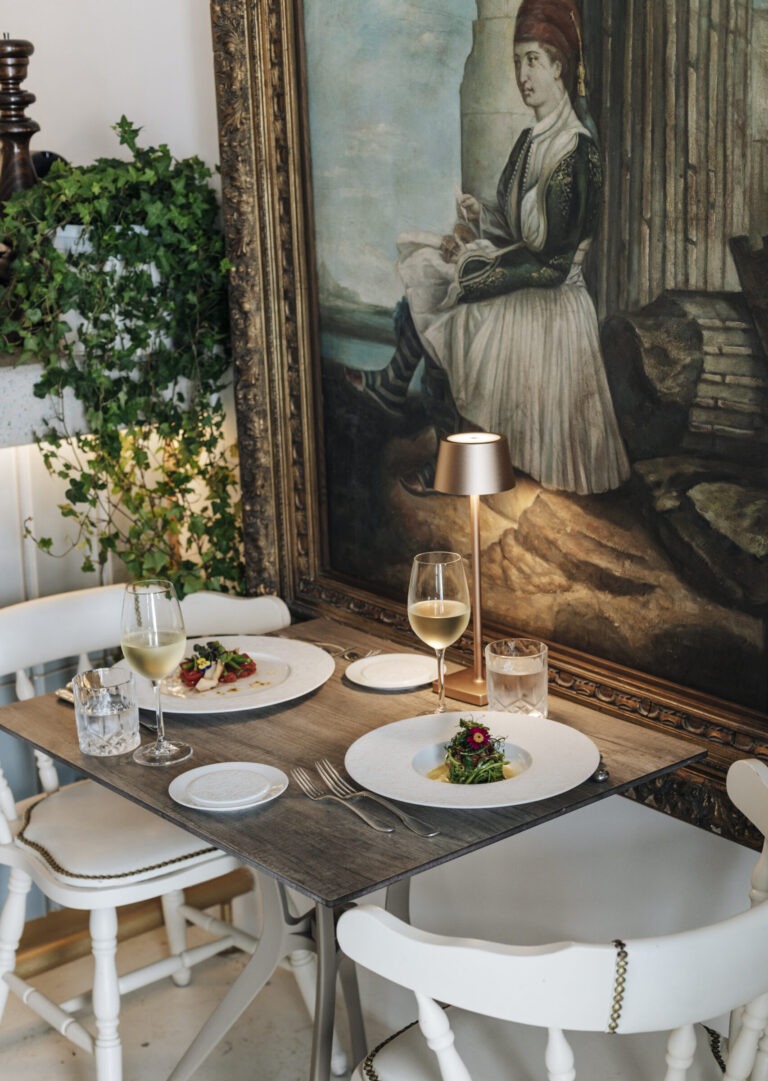
Athenian House
The Athenian House approaches Santorini dining from a different angle: its defining ingredient is not simply the view, but Greek culinary tradition interpreted through contemporary technique. Located on the caldera cliffs of Imerovigli, the restaurant is entering its 10th season in 2026, with chef Dimitris Skarmoutsos continuing to lead its culinary direction. The restaurant has also been included in the 50 Best Discovery selection and has received international recognition for its Greek cuisine.
What It Is Known For
It is best known for refined versions of Greek classics, sunset dining above the caldera and a wine programme focused heavily on Greece. Rather than abandoning familiar dishes in favour of purely modern compositions, Skarmoutsos uses contemporary techniques to reinterpret recipes and ingredients associated with Greek home cooking and regional cuisine. The result is a menu that can move from moussaka and seafood to more elaborate tasting-menu preparations without losing its Greek identity.
Cuisine
The cuisine is contemporary Greek with strong Mediterranean foundations. Seasonal vegetables, Santorini produce, extra-virgin olive oil, citrus, herbs and Aegean seafood form the backbone of the menu. Skarmoutsos’ background is unusually international: he trained in the United States, including under Thomas Keller in Napa Valley, studied at the Culinary Institute of America and later developed an interest in French and Japanese cuisine. Those influences appear through technique and presentation while the ingredients remain distinctly Greek.
Signature Dishes & Specialties
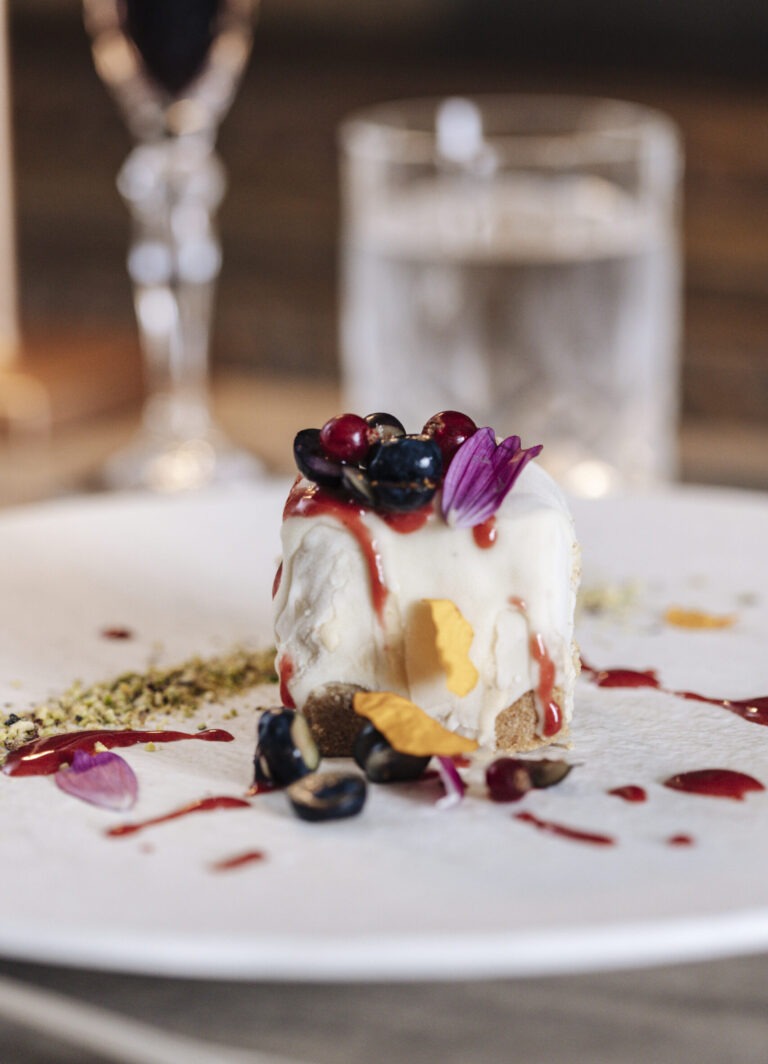
The restaurant’s best-known dish is its lamb moussaka with Santorini white aubergine, tahini and feta, served alongside two lamb chops. It has become one of the restaurant’s signature plates and is also featured by 50 Best Discovery. Other notable choices include the black linguini with grilled shrimps, chorizo, peas and asparagus and the restaurant’s distinctive Athenian House baklava, filled with chocolate and peanut butter and finished with salted caramel and pistachios.
Setting & Atmosphere
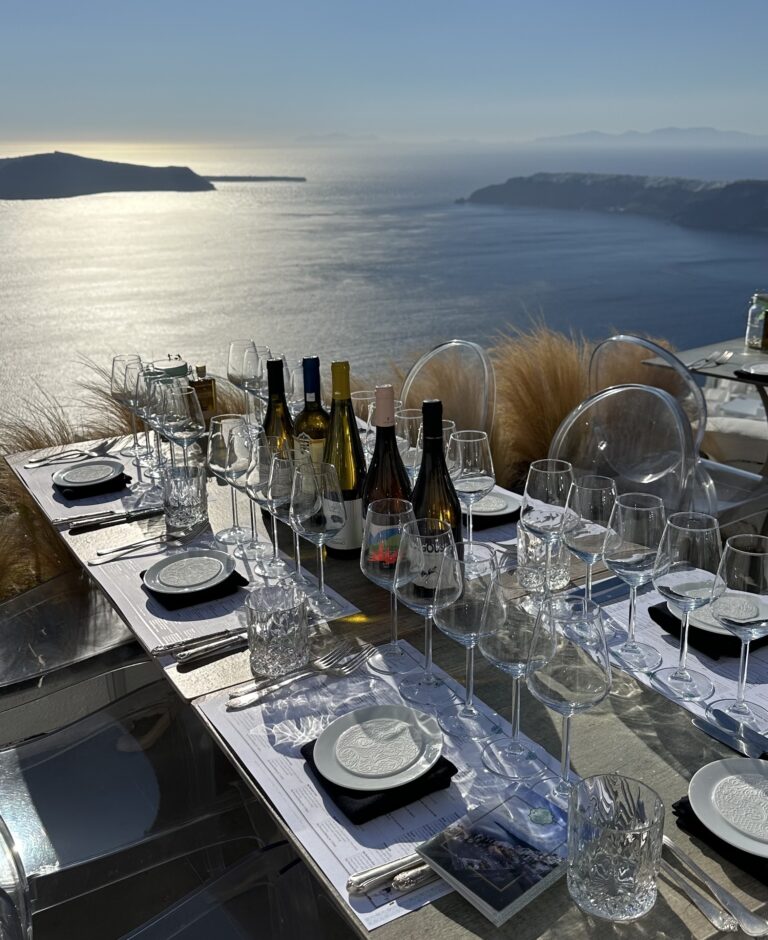
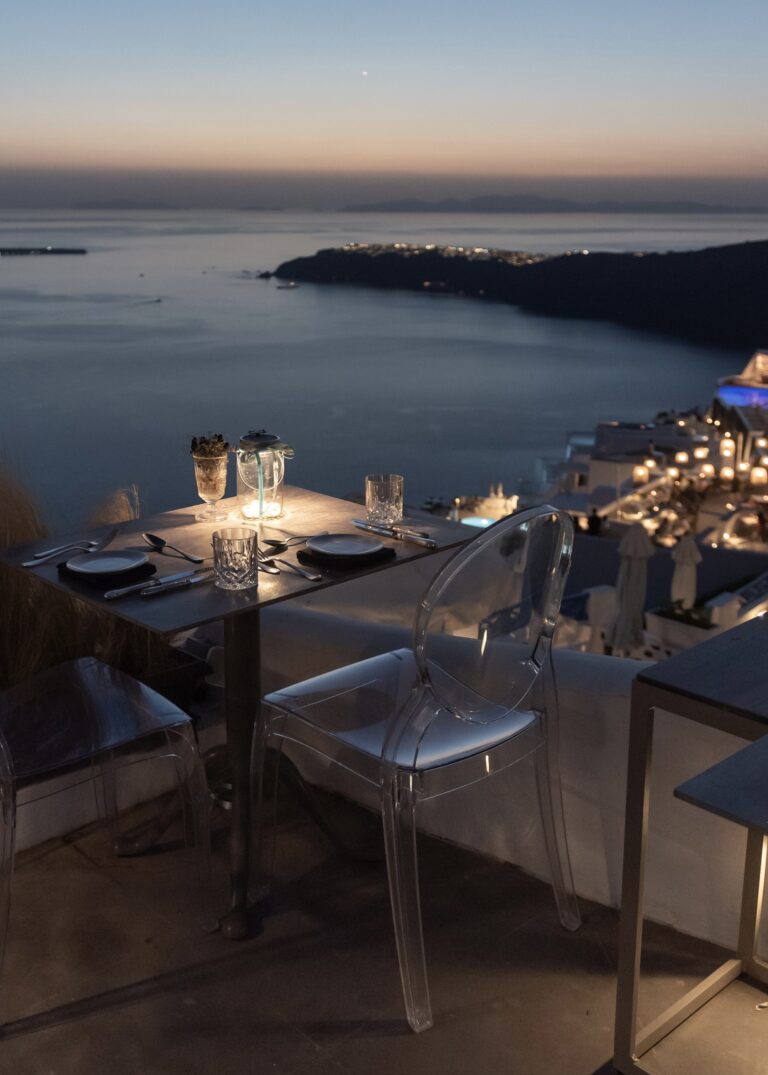
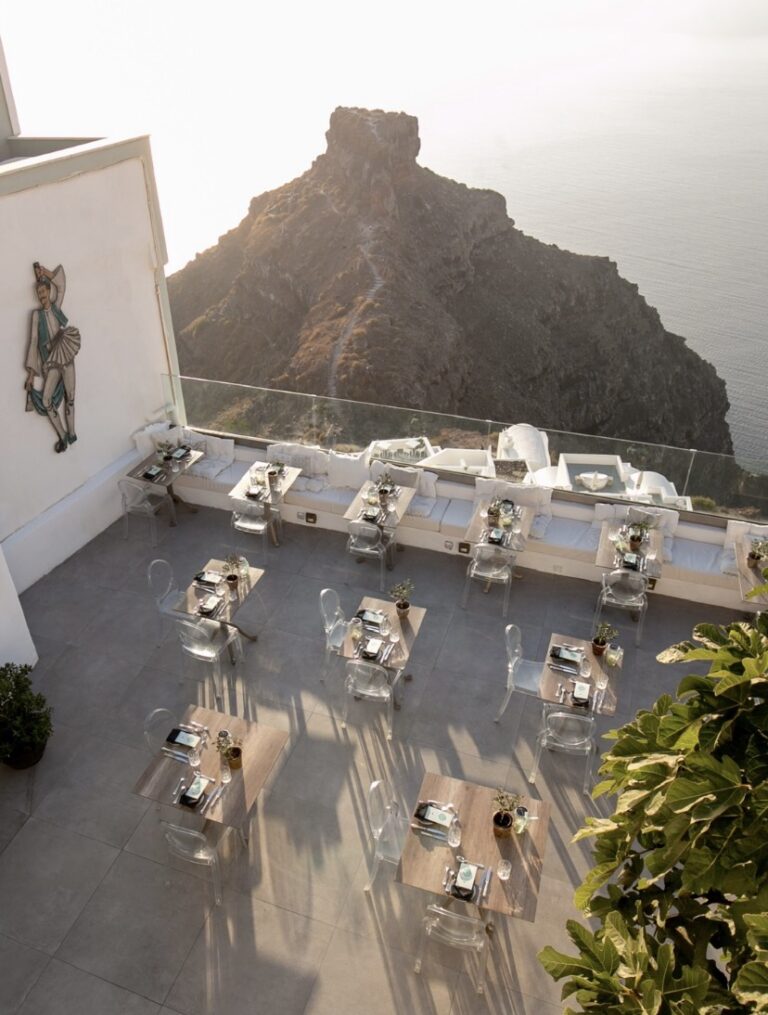
The restaurant occupies three interconnected outdoor terraces overlooking the caldera, with views towards Skaros Rock and the Aegean. The atmosphere changes considerably after sunset: what begins as an open-air dinner surrounded by volcanic cliffs becomes an intimate evening beneath the stars. For those wanting something later and quieter, the restaurant also offers a limited summer Late Night Dinner Under the Stars at 21:00, 21:30 or 22:00.
Location
The Athenian House is situated on the Fira–Oia Pedestrian Street in Imerovigli, one of Santorini’s highest and most secluded caldera villages. From Astra parking, the restaurant is approximately an 8–10-minute walk along the pedestrian path. The location is not wheelchair accessible because of the stone pathway and access conditions.
What Makes It Different
Its strongest point of difference is the combination of Greek culinary heritage, Santorini wine culture and destination dining. The restaurant maintains an extensive collection of Greek wines, including rare Santorini bottles made from varieties such as Assyrtiko, Aidani and Mavrotragano. Its dedicated wine experiences go even further, including tastings focused specifically on Santorini’s rare vintage wines and volcanic terroirs from around the world.
Price Level
The Athenian House covers several levels of experience. Its current three-course Late Night Dinner with three wine pairings is €98 per person, while the front-row special-occasion experience with a Grand Tasting Menu and a bottle of Champagne is €310 per person. A proposal experience combining an eight-course tasting menu, Champagne, chocolates and private car transfers costs €780 per couple. Wine experiences range from €90 to €180 per person, while the three-course menu with wine pairing provides a more accessible entry into the restaurant’s curated experience.
Reservation Advice
Book well ahead, particularly if sunset and a front-row caldera table are important. The restaurant states that reservations are recommended and accepts bookings through its own online platform; same-day and next-day reservations can be handled by telephone. For the most sought-after experiences, advance booking and prepayment are required.
Best Time to Visit
The ideal period is from late May through September, when the terraces, long evenings and sunset views can be experienced at their fullest. For the classic Athenian House experience, arrive in time for sunset rather than booking purely for darkness. If you prefer a more atmospheric, quieter evening, the late-night summer dinner provides an entirely different version of the restaurant, with the caldera illuminated beneath the night sky. The 2026 season currently runs from 22 April to 25 October.
What to Order
For a first visit, the lamb moussaka is the obvious starting point, followed by the black linguini with grilled shrimps if available. Leave room for the Athenian House baklava, which turns the familiar Greek dessert into something considerably more decadent. If wine is part of the evening, choose a Santorini-focused flight or one of the restaurant’s rare-vintage selections, particularly if you want to understand how the island’s volcanic terroir shapes its wines.
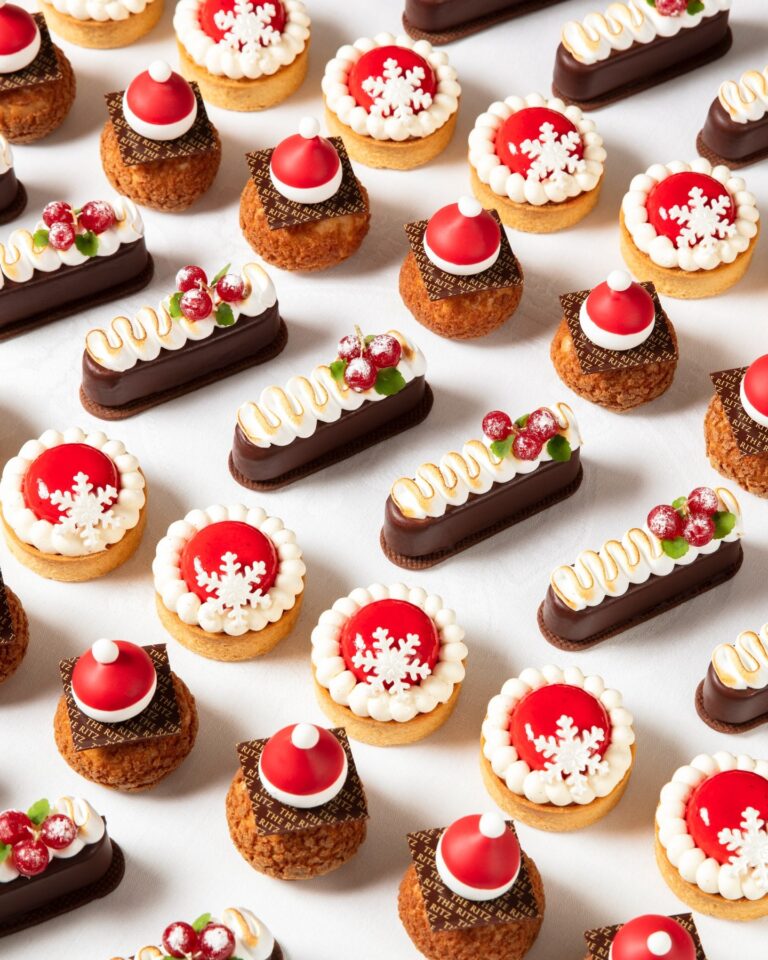
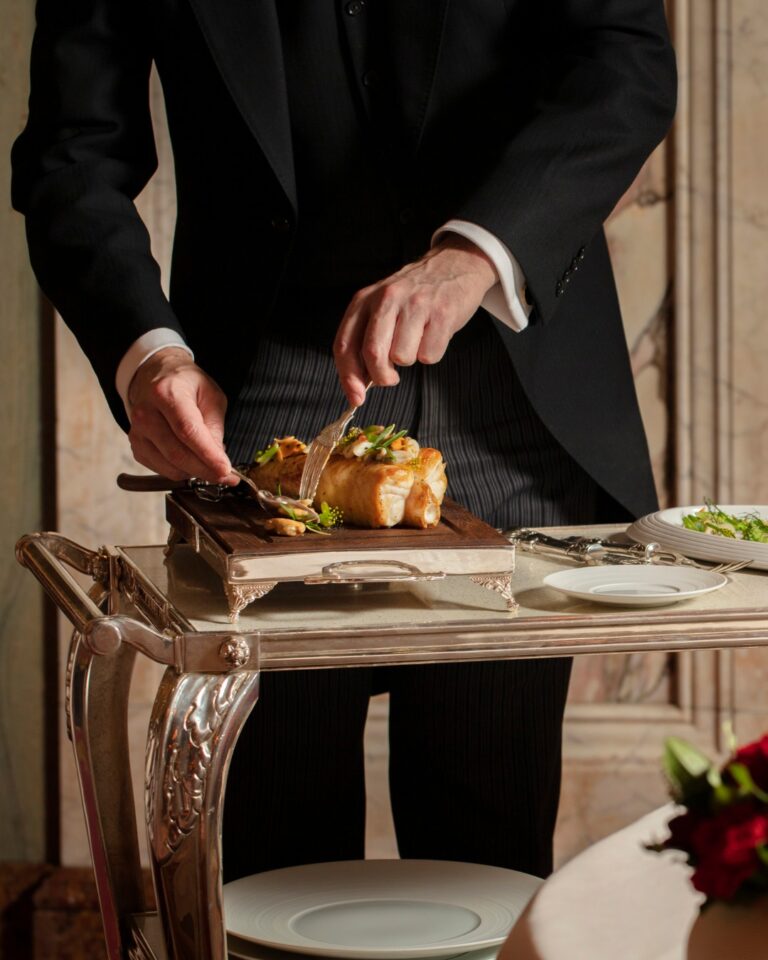
Credit: The Ritz London via Instagram
The Ritz Restaurant
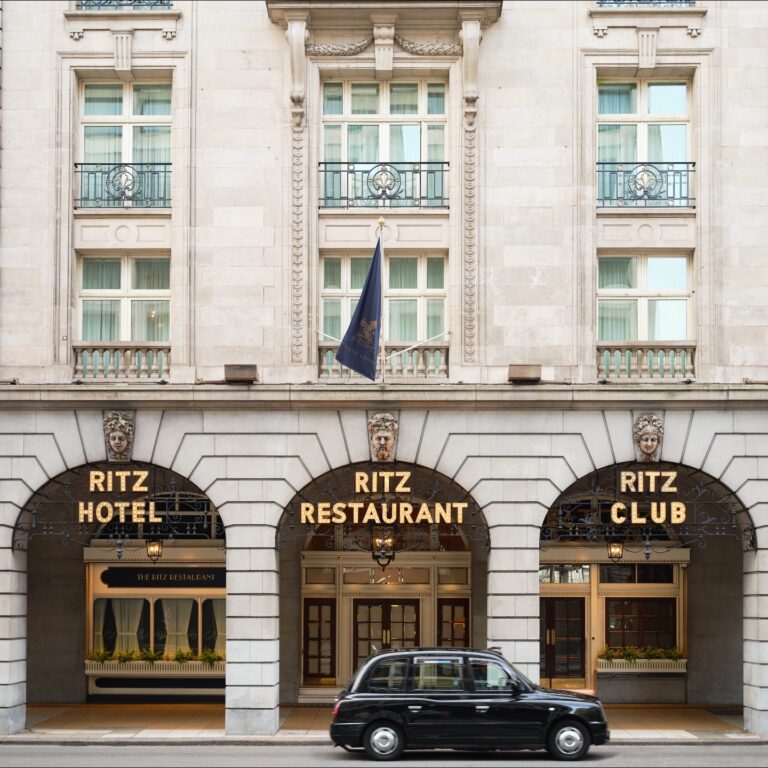
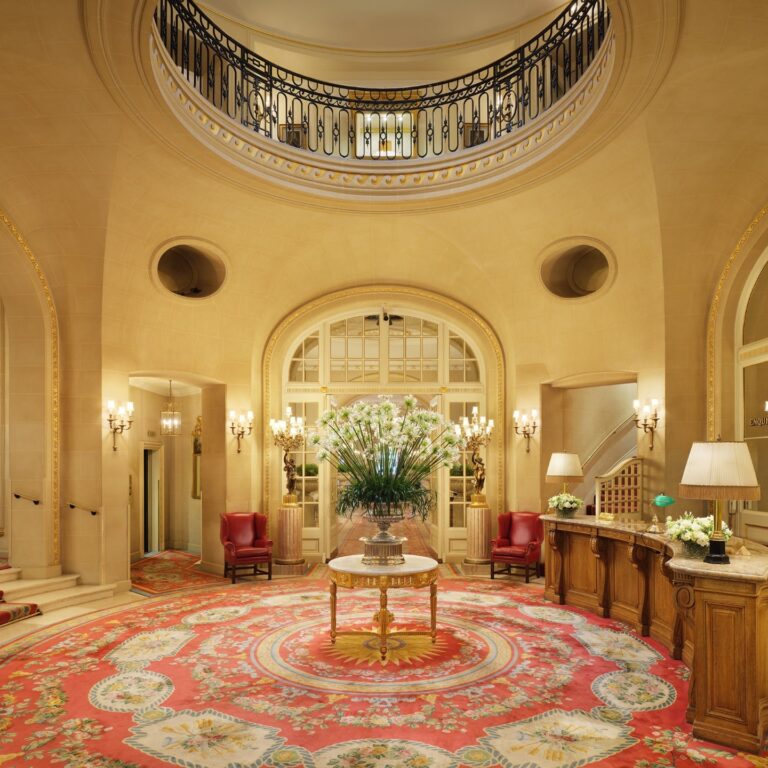
Inside The Ritz London on Piccadilly, The Ritz Restaurant represents one of the capital’s most enduring expressions of grand-hotel fine dining. Since opening in 1906, The Ritz has been associated with the highest traditions of London hospitality, while the restaurant itself has developed into a serious gastronomic destination under Executive Chef John Williams MBE. Awarded its second Michelin star in 2025, the restaurant now combines its historic setting with highly technical cooking, exceptional British produce and a service culture built around precision and personalised attention.
What It Is Known For
The Ritz Restaurant is known for its modern interpretation of classical British and French fine dining, exceptional seasonal produce and one of London’s most recognisable dining rooms. Williams draws heavily on the principles of Auguste Escoffier, refining classical dishes rather than abandoning them, while working closely with British suppliers to source ingredients including Cornish beef, Lake District lamb and Scottish lobster. The restaurant was named Restaurant of the Year at the National Restaurant Awards 2025, further establishing its position among Britain’s leading dining rooms.
Cuisine
Modern British cuisine shaped by classical French technique and Escoffier-inspired principles. The cooking is centred on the quality and seasonality of British produce, with precise sauces, technically demanding preparations and refined presentation forming the foundation of the menu. The approach is deliberately classical rather than experimental, allowing the provenance of the ingredients and the execution of each dish to remain central to the experience.
Signature Dishes & Specialties
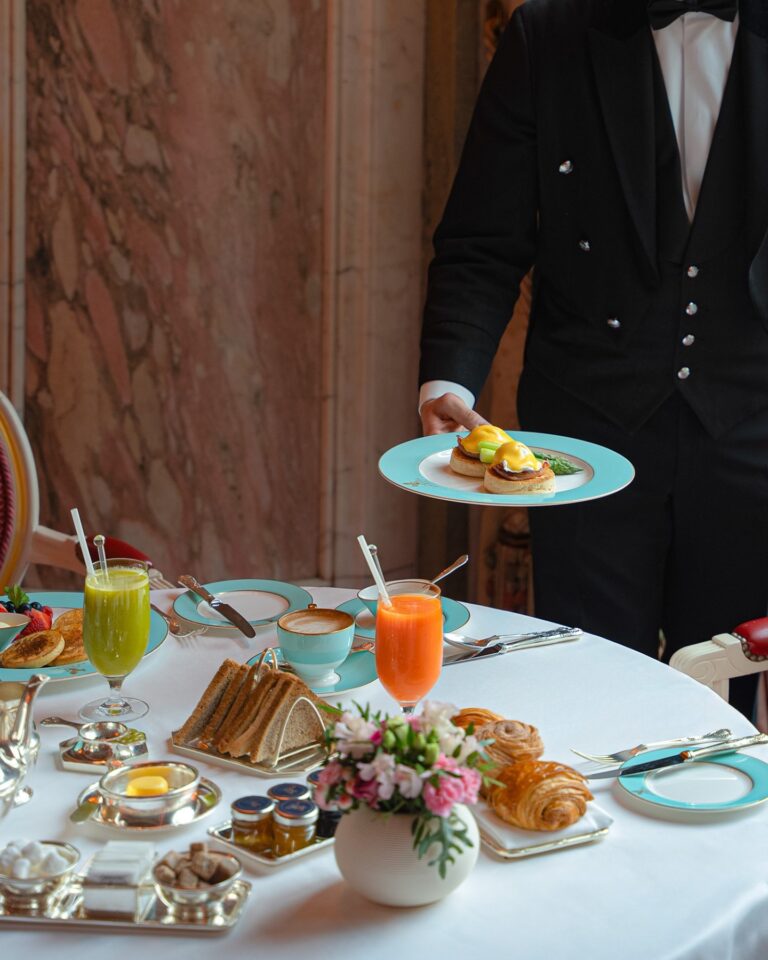
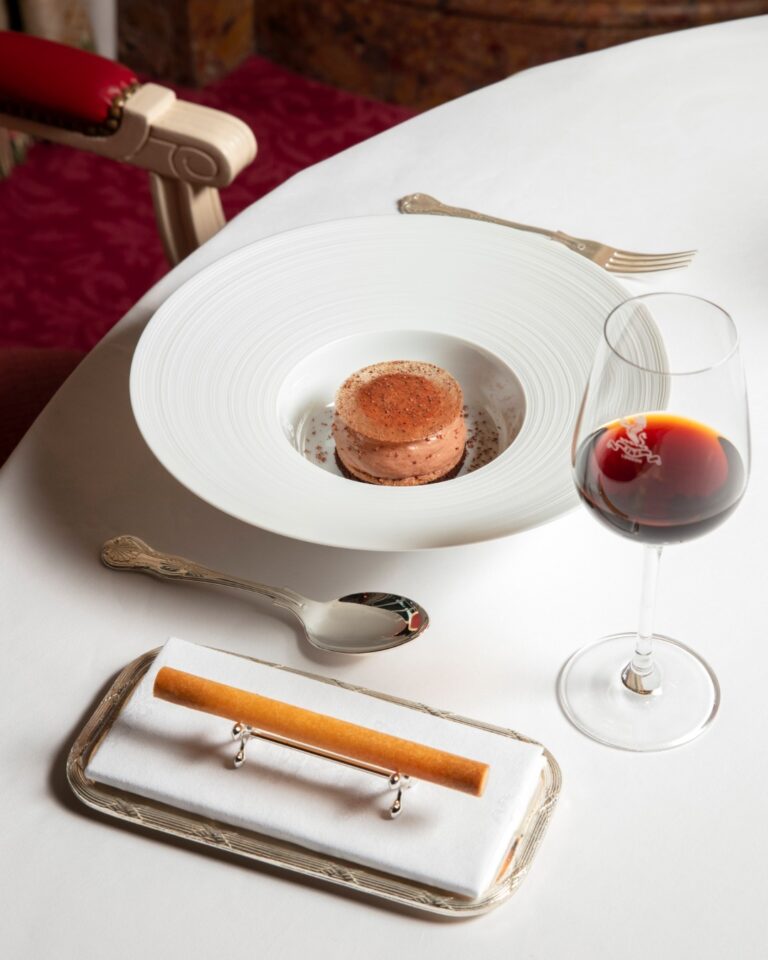
The menu changes with the seasons, but the restaurant’s cooking is characterised by its reinterpretation of classical dishes and its focus on exceptional British ingredients. Seafood is particularly important, with The Ritz offering dedicated experiences such as Les Saveurs de la Mer, while the broader menu moves between premium fish, shellfish, meat and seasonal produce. The five- and seven-course tasting menus provide the clearest expression of Williams’ current cooking, with dishes changing as new ingredients arrive throughout the year.
Setting & Atmosphere
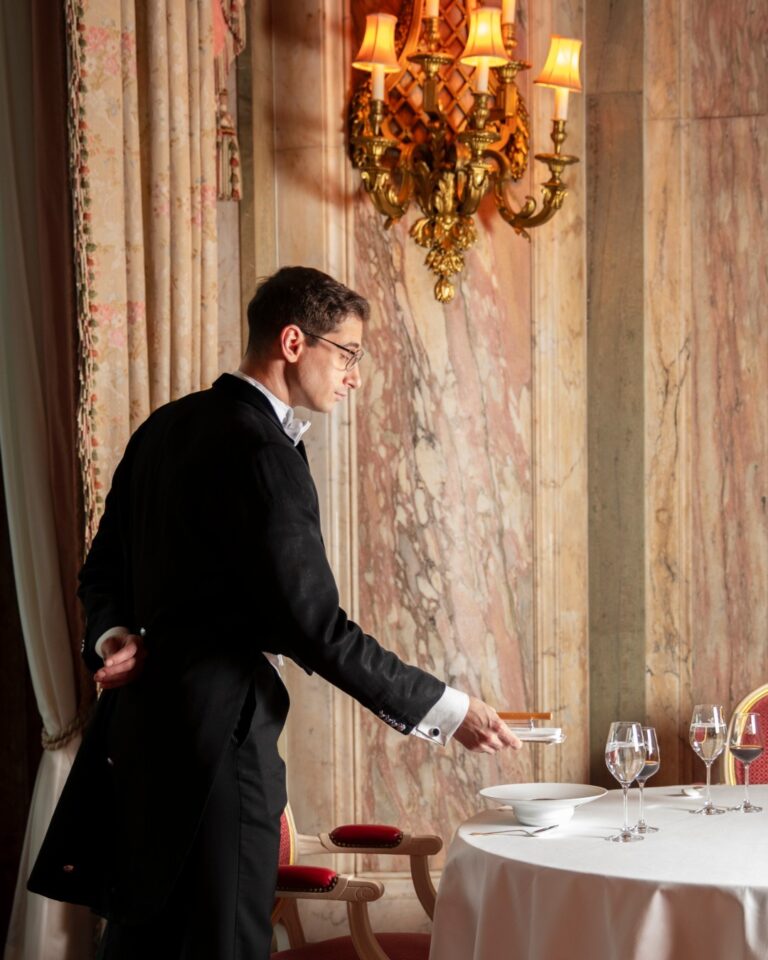
The dining room is among London’s most recognisable grand-hotel interiors. A glass roof floods the room with natural light during the day, while mirrors, chandeliers, ornate detailing and an exceptionally formal sense of symmetry create a more theatrical atmosphere in the evening. The service is equally important to the experience, with traditional tableside techniques and the restaurant’s celebrated Art de la Table philosophy adding an element of ceremony without making the meal feel dated.
Location
150 Piccadilly, London W1J 9BR, in the heart of Mayfair. The Ritz occupies one of London’s most prestigious addresses, within easy reach of Green Park, St James’s, Bond Street and the capital’s principal luxury shopping and cultural districts.
What Makes It Different
The Ritz Restaurant’s distinction comes from the balance between heritage and contemporary execution. Few London restaurants can combine the atmosphere of a historic palace hotel with a genuinely modern two-Michelin-starred kitchen. John Williams has maintained the restaurant’s classical identity while progressively raising its culinary standards, culminating in the second Michelin star awarded in 2025. The experience is therefore less about reinvention for its own sake and more about demonstrating how classical fine dining can remain relevant at the highest level.
Price Level
The Ritz sits firmly within London’s highest tier of fine dining. The current five-course Michelin tasting menu starts at £215 per person, while the seven-course menu starts at £235, with wine pairings available separately. The broader restaurant menu currently starts from approximately £150 per person, while premium ingredients and specialised menus can take the final bill considerably higher.
Reservation Advice
Advance reservations are strongly recommended, particularly for dinner and weekends. The restaurant serves lunch and dinner seven days a week, with lunch from 12:30pm and dinner from 6:30pm. For the tasting menus, the entire table must participate in the same menu, and dietary requirements should be communicated in advance. Gentlemen are required to wear a jacket and tie for lunch and dinner.
Best Time to Visit
An evening reservation offers the fullest expression of The Ritz experience, particularly when the dining room transitions from natural daylight into its more theatrical evening atmosphere. Friday and Saturday evenings provide an additional dimension through Live at The Ritz, combining dinner with live entertainment and dancing. For a quieter gastronomic experience, weekday lunch allows the architecture and natural light of the dining room to take greater prominence.
What to Order
For a first visit, the five- or seven-course tasting menu is the strongest introduction to John Williams’ current cooking, particularly for guests interested in understanding the restaurant beyond its historic reputation. Those preferring à la carte should look towards the seasonal British produce and seafood selections, while Les Saveurs de la Mer offers a particularly focused interpretation of the restaurant’s seafood cooking. A wine pairing is worth considering, given the role of the sommelier team in completing the progression of the meal.
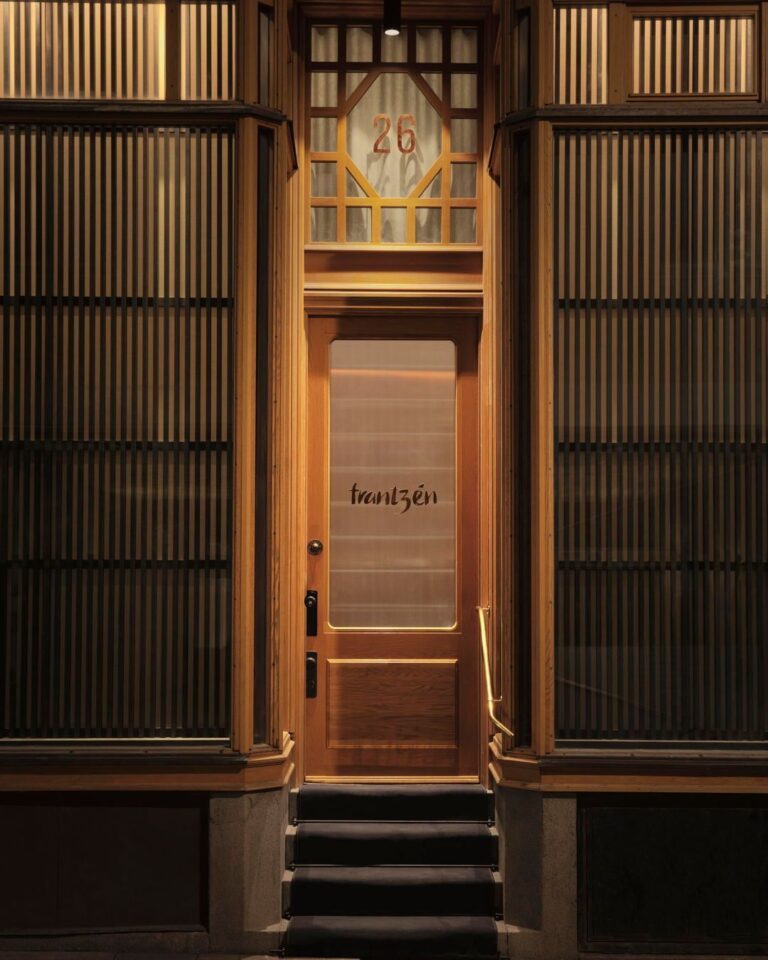
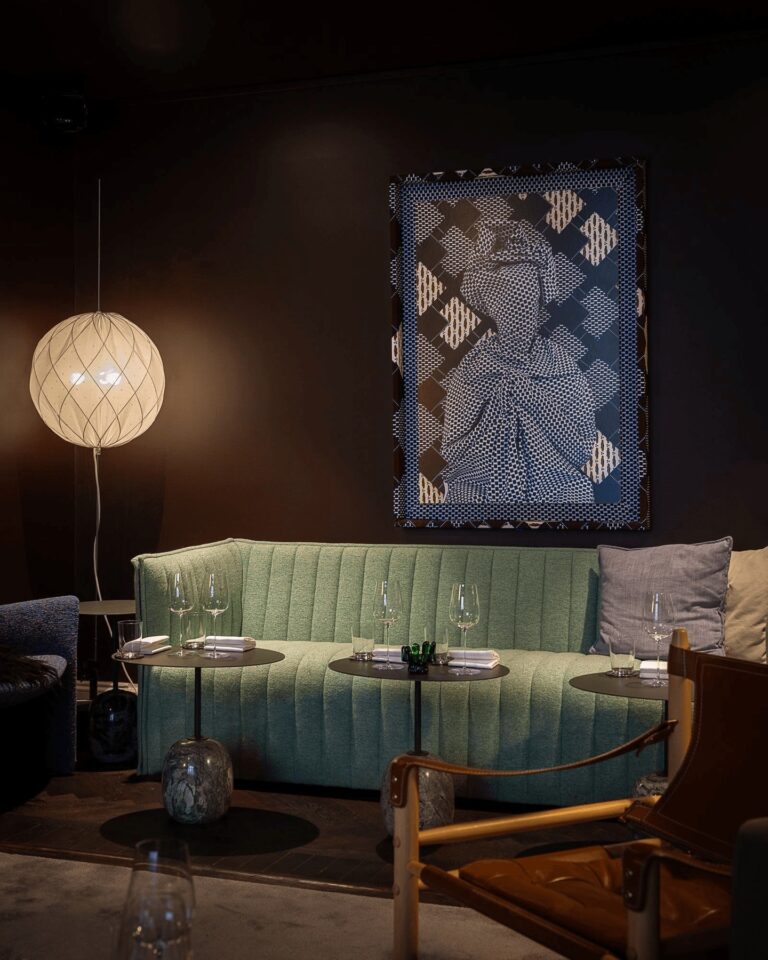
Credit: Frantzén via Instagram
Frantzén
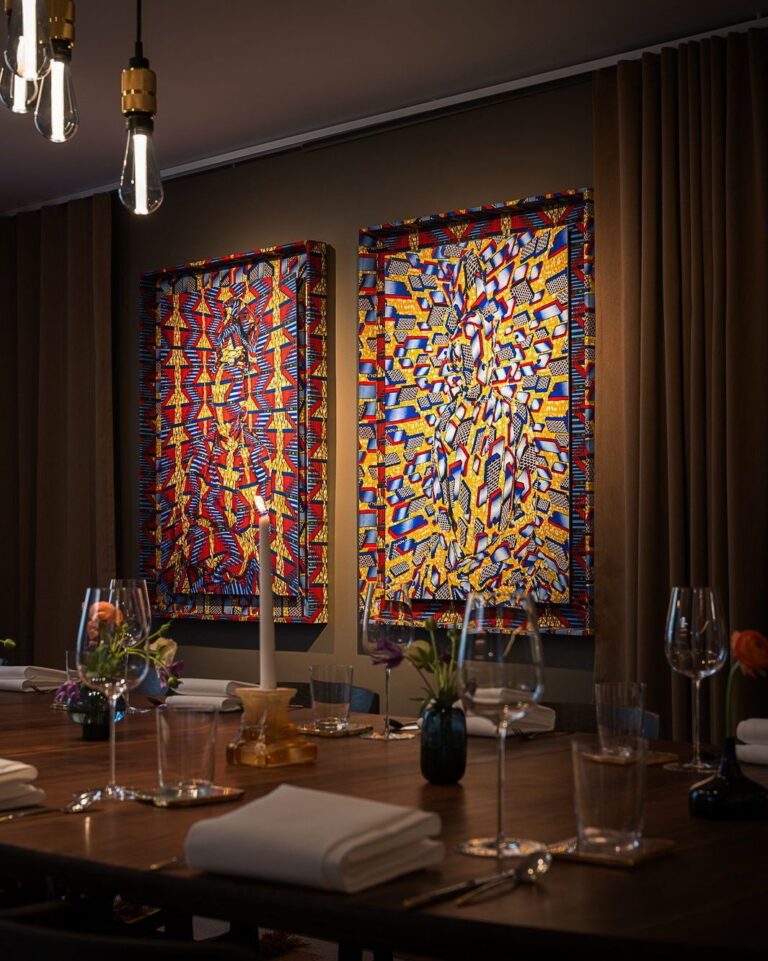
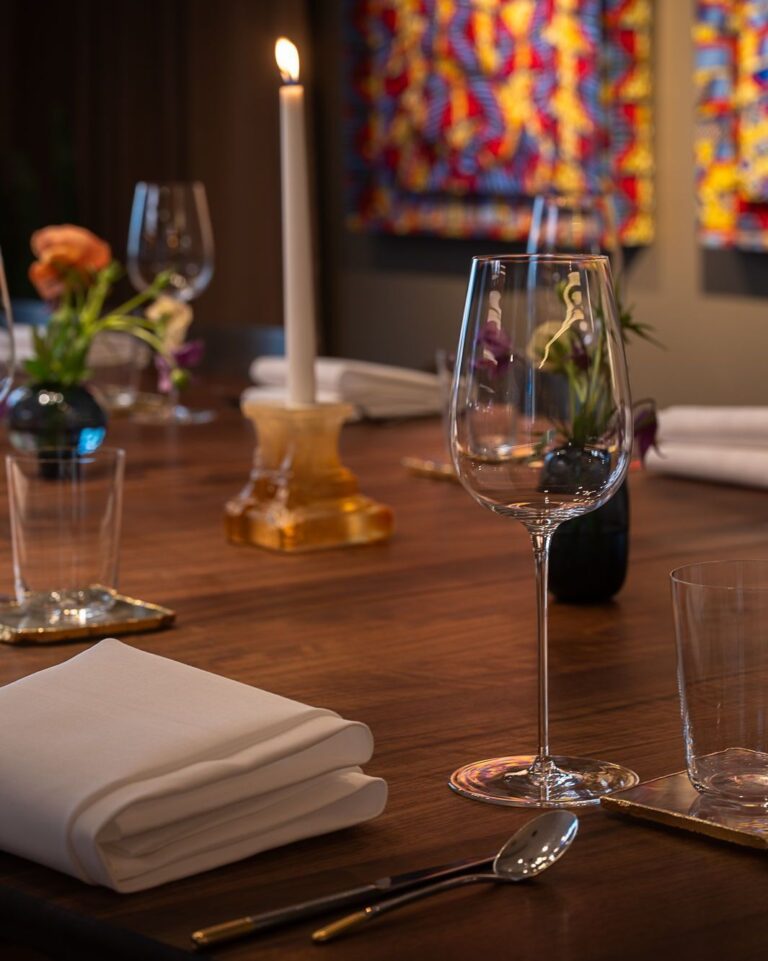
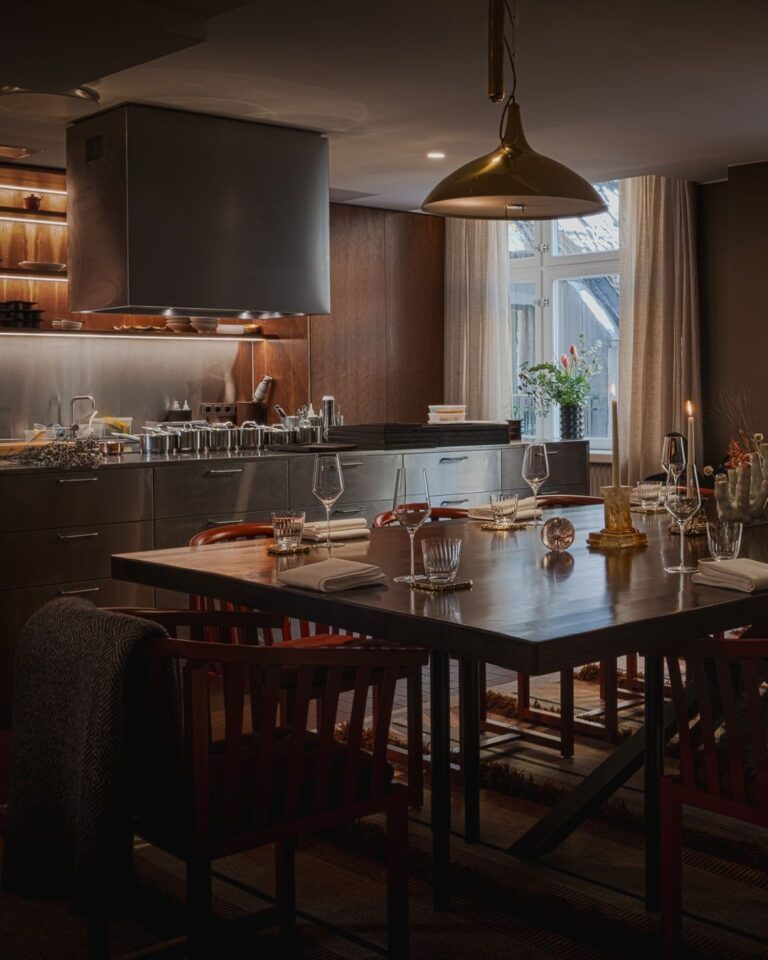
Frantzén is not simply a destination for one extraordinary meal; it is a carefully choreographed journey through Nordic gastronomy, Japanese influence and Swedish craftsmanship. Chef Björn Frantzén’s flagship has held three Michelin stars since 2018 and remains Sweden’s only restaurant to have reached that distinction. With just 23 seats spread across three floors, the experience is deliberately intimate, making a reservation here feel closer to being invited into a private culinary world than simply booking a table.
What It Is Known For
The restaurant is known for its immersive format, extraordinary Nordic produce and Japanese-inflected precision. The evening begins away from the dining room, with an aperitif and an introduction to the ingredients before guests move through the townhouse and eventually arrive at the kitchen counter. Open-fire cooking is another important part of the Frantzén style, adding smoke, heat and depth to an otherwise highly refined cuisine.
Cuisine
Frantzén describes its cooking as Nordic cuisine with refined Japanese influences, while Björn Frantzén’s background in classical French cooking is another important layer. The result is difficult to place neatly in one category: Swedish seafood, vegetables, game and other seasonal produce meet Japanese techniques, fermentation and umami, with French culinary discipline holding everything together.
Signature Dishes / Specialties
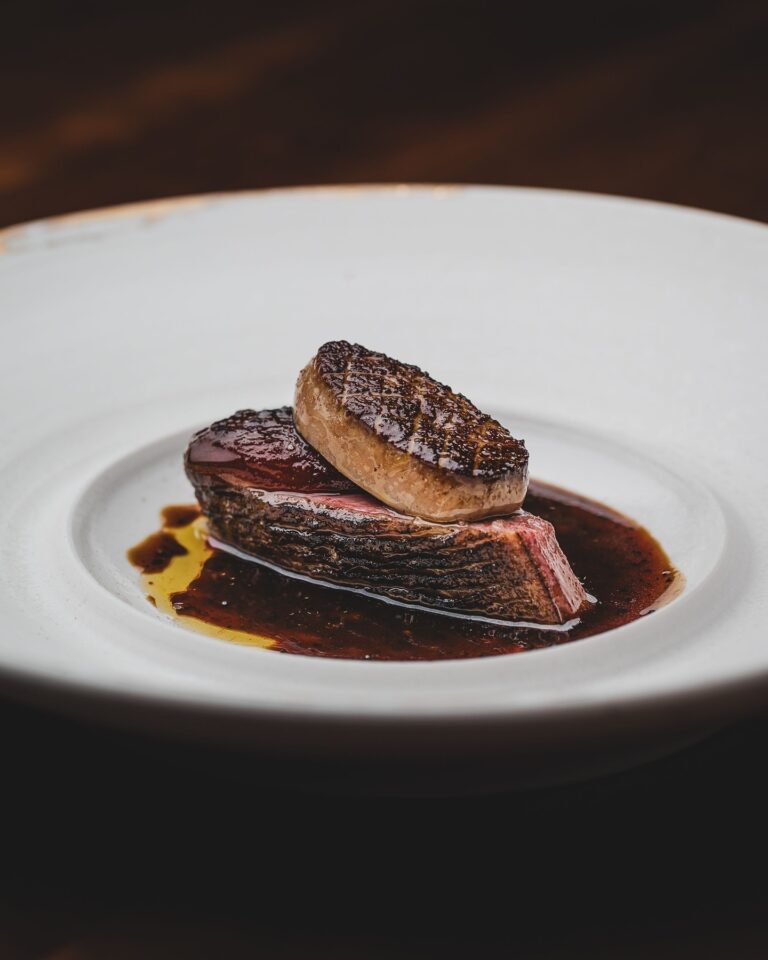
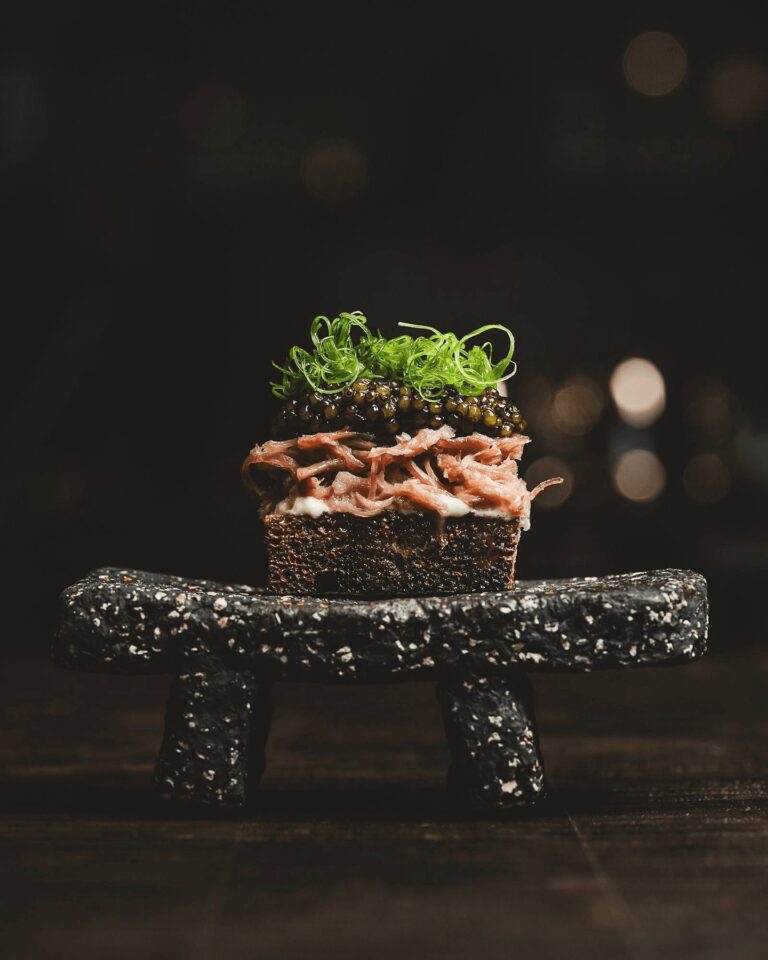
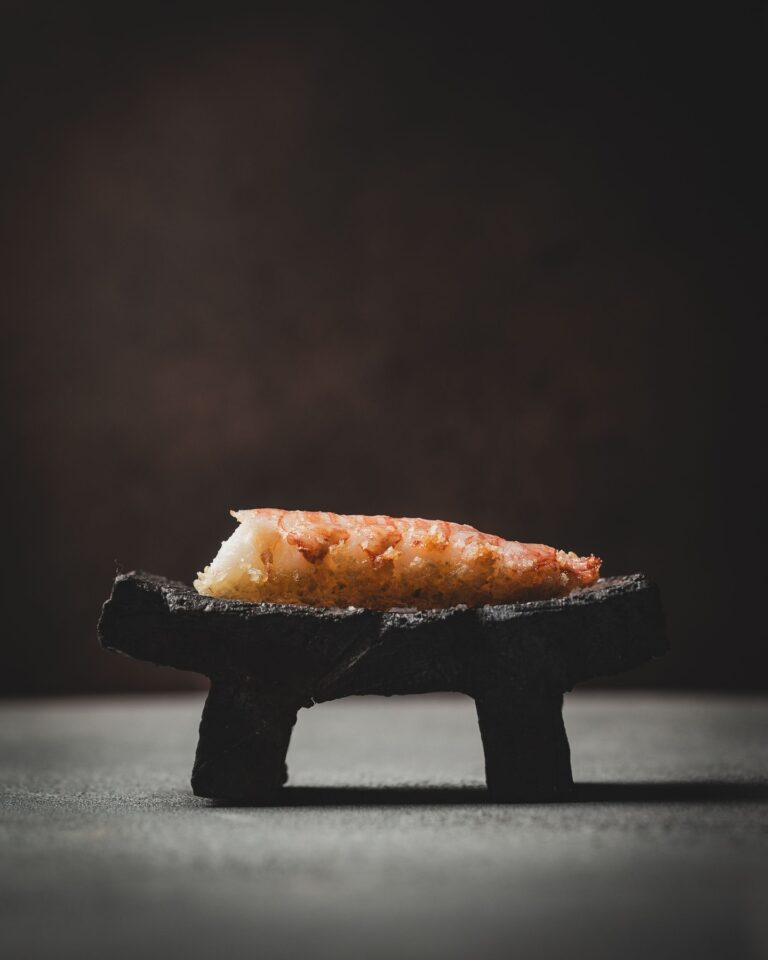
There is no conventional à la carte signature dish because Frantzén serves a single seasonal tasting menu that changes with the ingredients available. Dishes have included scallop with chicken dashi, chawanmushi with aged pork broth and razor clams, white asparagus with coconut and lemongrass, and grilled pineapple with milky oolong and mezcal. A current example is the Guinea fowl “Périgourdine”, dry-aged for a week before being grilled and finished with maitake, kale, vin jaune and truffle.
Setting & Atmosphere
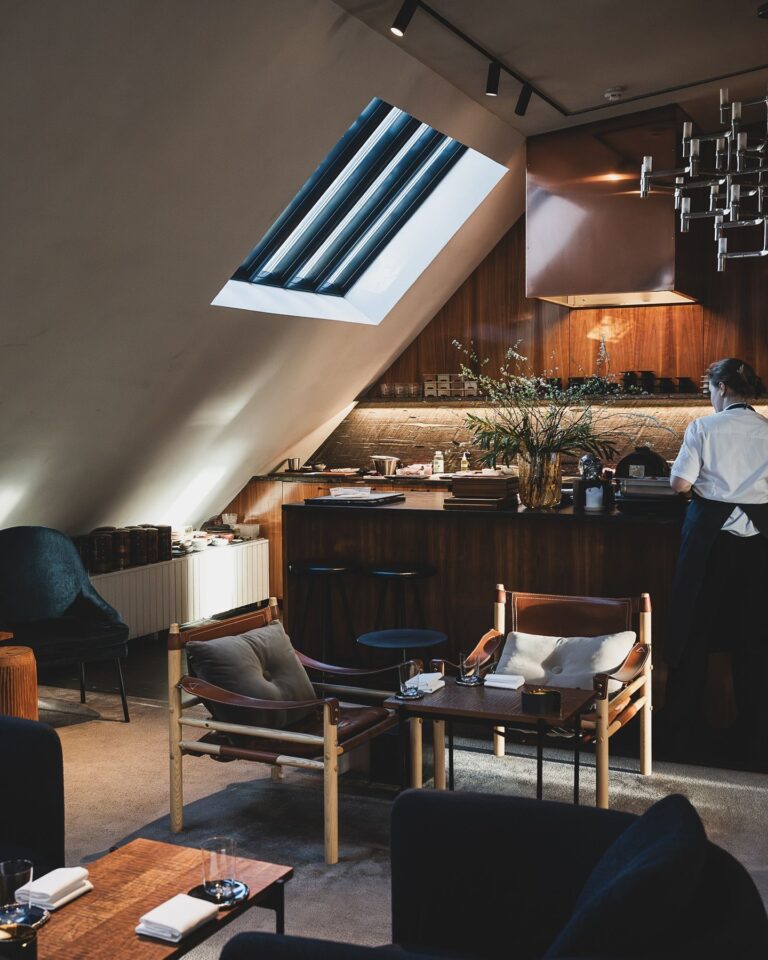
Then comes the theatrical part. Guests ring a doorbell to enter the discreet townhouse before beginning the experience in the upper lounge. From there, the journey moves through the building towards an L-shaped counter overlooking the open kitchen. You see the chefs work, hear the fire and, at times, quite literally feel its heat. Despite the extraordinary level of cooking, the atmosphere remains intimate rather than stiff or ceremonial.
Location
Klara Norra Kyrkogata 26, 111 22 Stockholm, in a 19th-century townhouse in central Stockholm. The current restaurant opened in 2017 after Björn Frantzén moved the original restaurant from Gamla Stan. Despite the new building being around five times larger than its predecessor, the restaurant deliberately retained its tiny 23-seat capacity.
What Makes It Different
The most unusual luxury at Frantzén is space — or rather, the decision not to use very much of it. The 521-square-metre, three-storey townhouse accommodates only 23 guests, allowing the team to devote extraordinary attention to each table. The restaurant effectively turns the entire building into part of the meal, with the lounge, kitchen, chefs, service and movement between floors all forming one continuous experience.
Price Level
Frantzén sits firmly at the very top of Stockholm’s dining scene. The current set menu is SEK 5,500 per person, with alcoholic and non-alcoholic beverage pairings available separately. The price reflects not only the ingredients and technical cooking, but the highly personalised service and multi-stage experience created around just 23 guests.
Reservation Advice
This is a restaurant to plan a trip around rather than squeeze into an itinerary afterwards. With only 23 seats, demand is exceptionally high and reservations should be secured as far ahead as possible. The restaurant’s intimate capacity is intentionally preserved even though the building itself is considerably larger, so availability remains extremely limited.
Best Time to Visit
Autumn and winter are particularly appealing for experiencing the depth of Nordic produce, although the seasonal menu means there is something distinctive to discover throughout the year. For visitors coming specifically to Stockholm for Frantzén, an evening reservation gives the experience its fullest sense of occasion as the restaurant moves naturally from aperitif to dinner and finally into the lounge.
What to Order
There is really only one answer: the seasonal tasting menu. Rather than selecting individual dishes, arrive prepared to experience the complete progression and allow the kitchen to determine the evening’s rhythm. A beverage pairing is worth considering for the full experience, particularly for guests interested in seeing how the restaurant’s Nordic, Japanese and French influences are interpreted through wine and other carefully selected drinks.
Reserve a Table
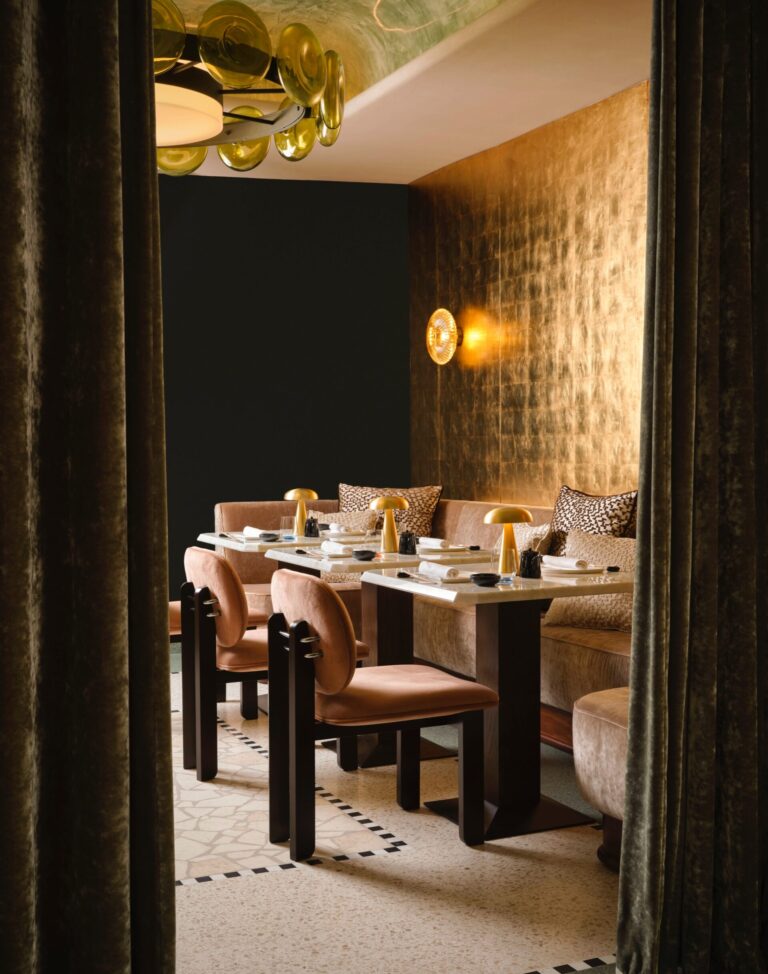
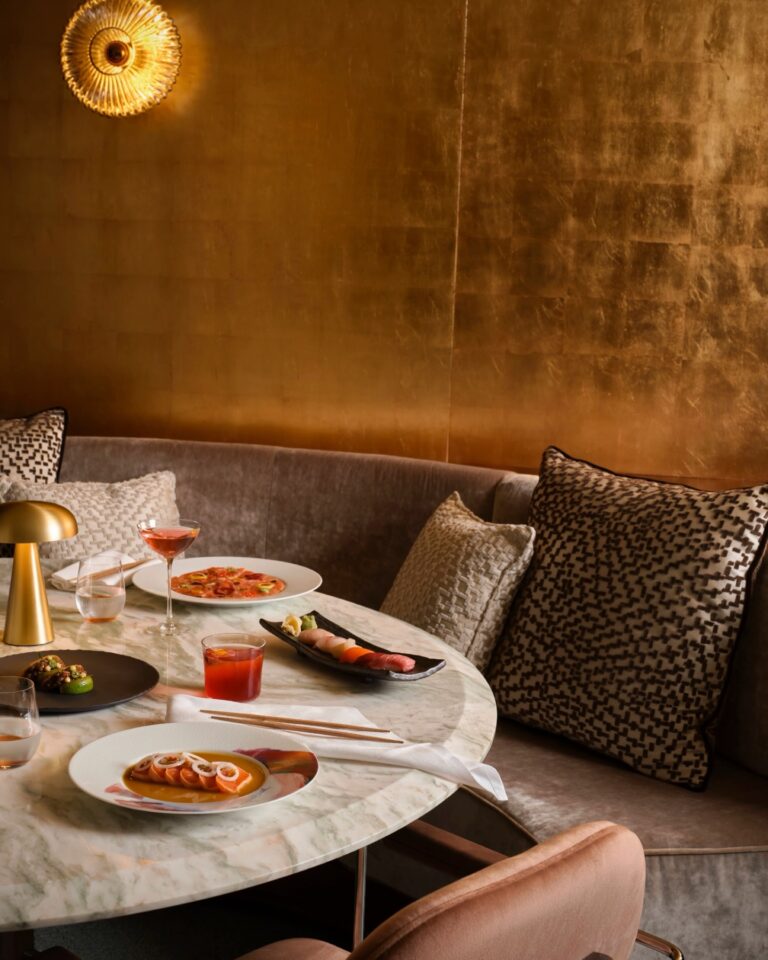
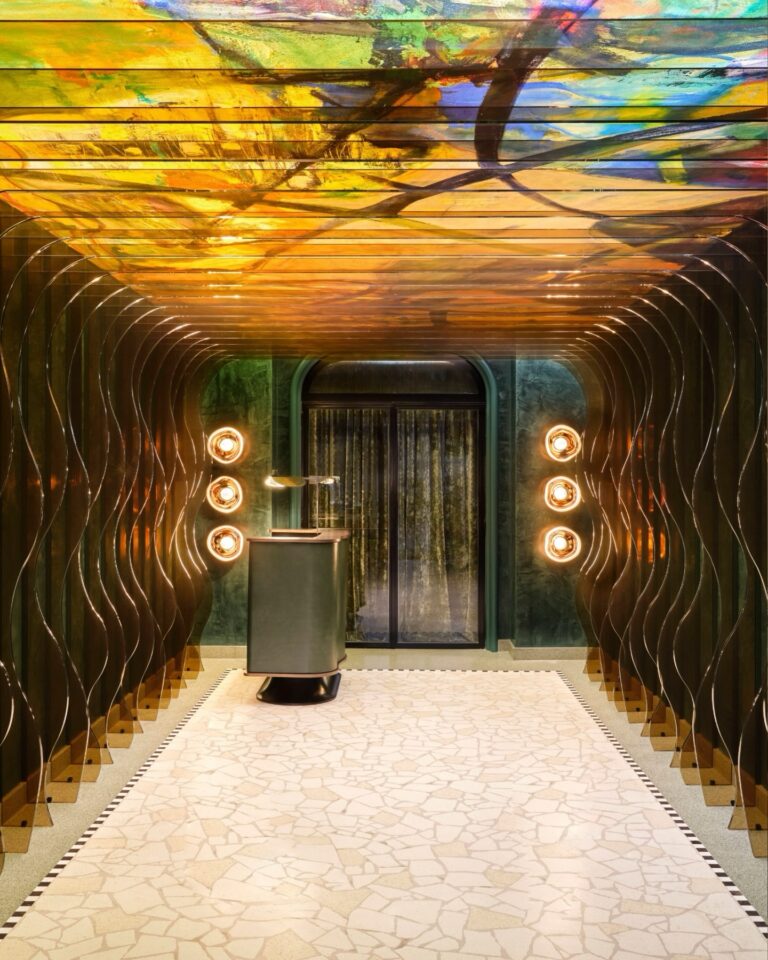
Credit: Akira Back Florence via Instagram
Akira Back
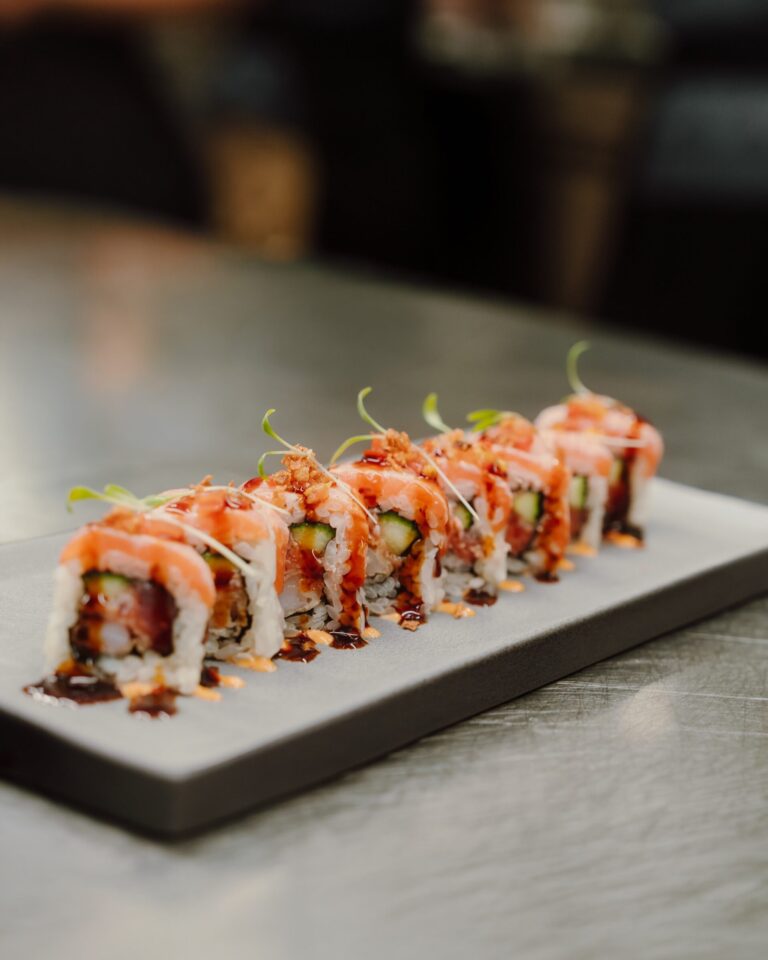
At W Florence, Akira Back brings a distinctly international interpretation of contemporary Japanese cuisine to the centre of Florence. Opened in late 2025 as Chef Akira Back’s first restaurant in Italy, the restaurant combines Japanese technique with Korean heritage and influences shaped by Back’s years in the United States and his extensive international career. The result is a form of contemporary Asian dining that is deliberately bold rather than traditional, with premium ingredients, highly composed presentation and an unmistakable sense of personality. The Florence restaurant is currently included in the MICHELIN Guide selection, while Chef Akira Back himself is Michelin-starred for his work at other restaurants in his global portfolio.
What It Is Known For
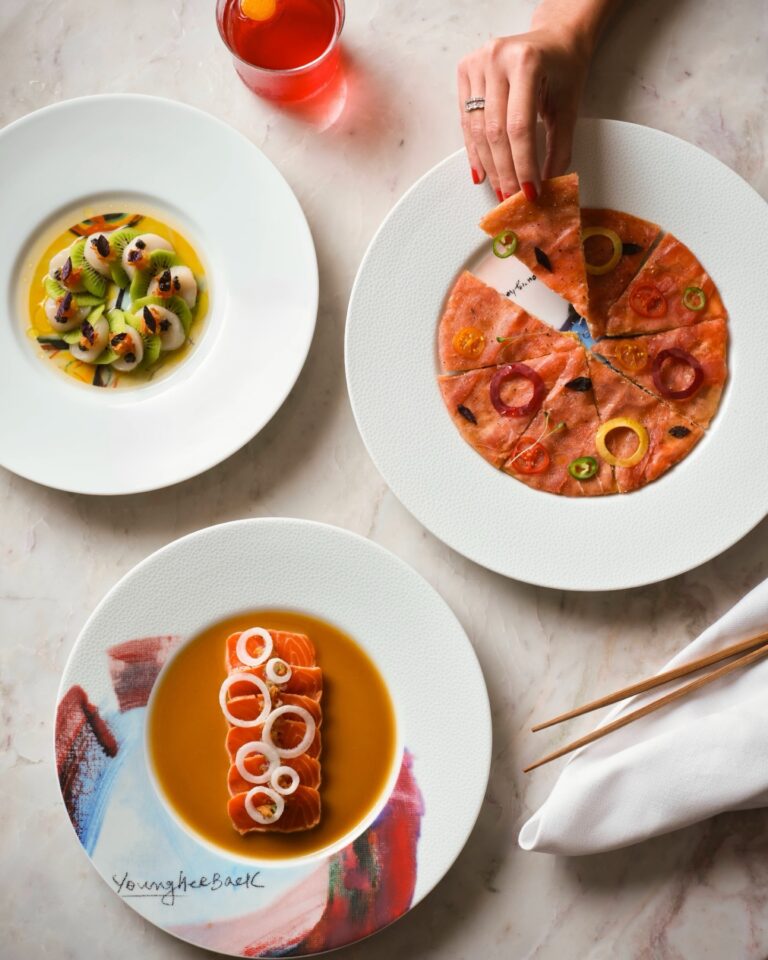
Akira Back is known for its distinctive “New Asian” approach, combining Japanese precision with Korean flavours and global influences. Sushi and sashimi sit alongside robatayaki-style cooking, premium wagyu, seafood and highly recognisable creations such as the AB Tuna Pizza. The restaurant is equally defined by its visual identity: cinematic interiors, bold contemporary design and artwork by Back’s mother, Young Hee Back, reinforce the idea that the meal is intended to be experienced visually as well as gastronomically.
Cuisine
Contemporary Japanese cuisine with Korean heritage and international influences. The cooking moves freely between raw preparations, sushi, sashimi, grilled dishes and composed hot plates, using ingredients such as bluefin tuna, Hokkaido scallops, Japanese wagyu, blue lobster, black cod and seasonal vegetables. Rather than pursuing classical Japanese restraint, Back’s cuisine is characterised by pronounced contrasts, umami, acidity, spice and textural interplay.
Signature Dishes & Specialties
The AB Tuna Pizza is perhaps the clearest expression of Back’s culinary identity: tuna sashimi is paired with umami aioli, micro shiso and white truffle oil, turning a familiar format into a distinctly contemporary Japanese creation. Other notable preparations include Toro Caviar with tuna, Oscietra caviar and kochujang miso; Hokkaido scallop with truffle and yuzu shiro soy; A5 Japanese Wagyu ribeye with kizami wasabi butter; and the Miso Black Cod with yuzu sake foam. The restaurant’s signature rolls, including Perfect Storm and Brother From Another Mother, extend the same playful approach into sushi.
Setting & Atmosphere
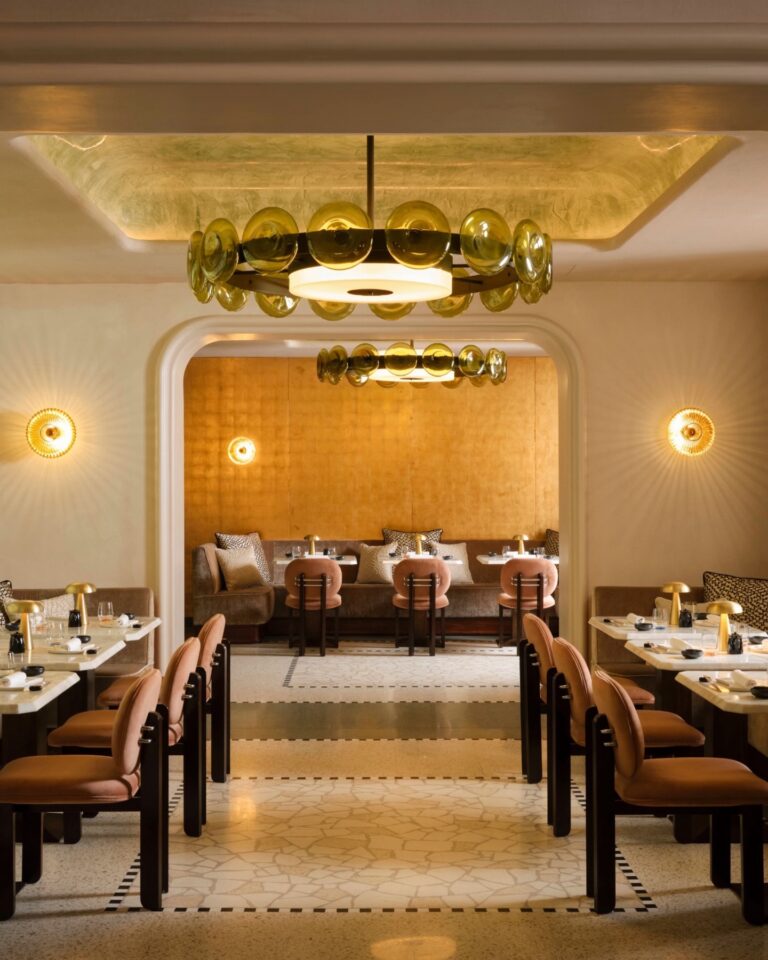
The restaurant occupies the ground floor of W Florence and has been designed as a highly visual, contemporary dining environment. The interiors combine a glamorous 1960s- and 1970s-inspired aesthetic with marble and modern artistic details, while artwork created by Back’s mother appears throughout the space. The atmosphere is fashionable and energetic rather than formal or traditional, making Akira Back feel distinctly different from Florence’s classical fine-dining establishments. During the warmer months, the experience can also extend into the W Florence courtyard.
Location
Piazza dell’Unità Italiana 3, Florence, 50123, inside W Florence. The restaurant is positioned in the heart of the city, close to Santa Maria Novella and within easy reach of Florence’s principal historic and cultural spots.
What Makes It Different
Akira Back’s strongest point of difference is its refusal to treat Japanese cuisine as a fixed tradition. The restaurant is built around Back’s own culinary identity: Korean heritage, American upbringing, Japanese technique and influences gathered through an international career are combined into a single contemporary style. In Florence, that philosophy is placed inside one of the city’s newest luxury hotels, creating an interesting contrast between the Renaissance character of the city and a much more cosmopolitan interpretation of Asian gastronomy.
Price Level
Akira Back sits within Florence’s upper-end dining scene, with pricing rising considerably for premium ingredients and larger formats. Current à la carte examples include the AB Tuna Pizza at €26, Toro Caviar at €49, Dynamite Blue Lobster at €50, Filet Tobanyaki at €55 and A5 Japanese Wagyu Ribeye at €120. Premium nigiri and sashimi are priced individually, while the Nazo 9 “Mystery Box” is currently €100.
Reservation Advice
Reservations are recommended, particularly on weekends and during Florence’s busiest travel periods. The restaurant currently operates for dinner from Wednesday to Sunday, 7:00–11:30pm. Guests visiting specifically for the full Akira Back experience should allow enough time for several courses rather than approaching it as a conventional sushi dinner.
Best Time to Visit
Late spring through early autumn is particularly appealing, when the restaurant’s courtyard can add an al fresco dimension to the experience. For a more complete introduction to the restaurant, dinner is the natural choice, allowing the lighting, contemporary interiors, cocktails and full progression of the menu to become part of the evening. During summer, the courtyard experience provides an especially distinctive contrast between Florence’s historic surroundings and Akira Back’s contemporary aesthetic.
What to Order
For a first visit, the AB Tuna Pizza is an essential introduction to Back’s signature style, followed by a selection from the sushi and sashimi menu. Toro Caviar or Hokkaido scallop can provide a more luxurious opening, while the A5 Wagyu Ribeye or Miso Black Cod offers a substantial progression into the restaurant’s hot cuisine. For dessert, the AB Cigar — miso caramel ice cream with cacao nibs — is one of the restaurant’s most recognisable finishes. A cocktail or sake is also worth considering, particularly given the restaurant’s emphasis on drinks alongside its contemporary Asian cuisine.
Reserve a Table
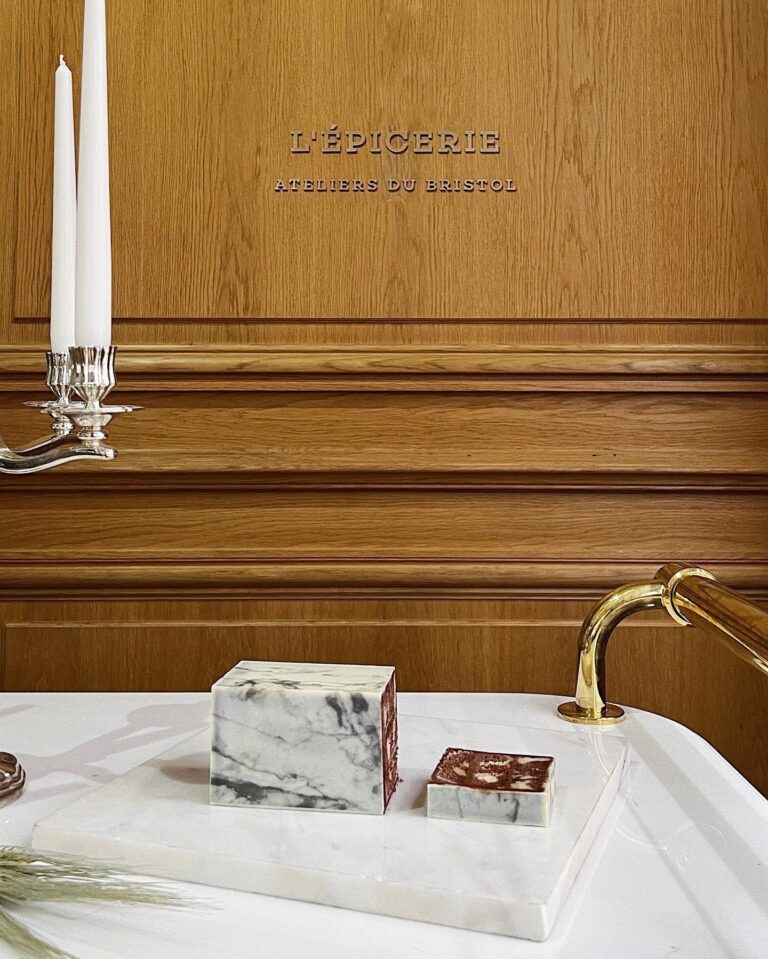
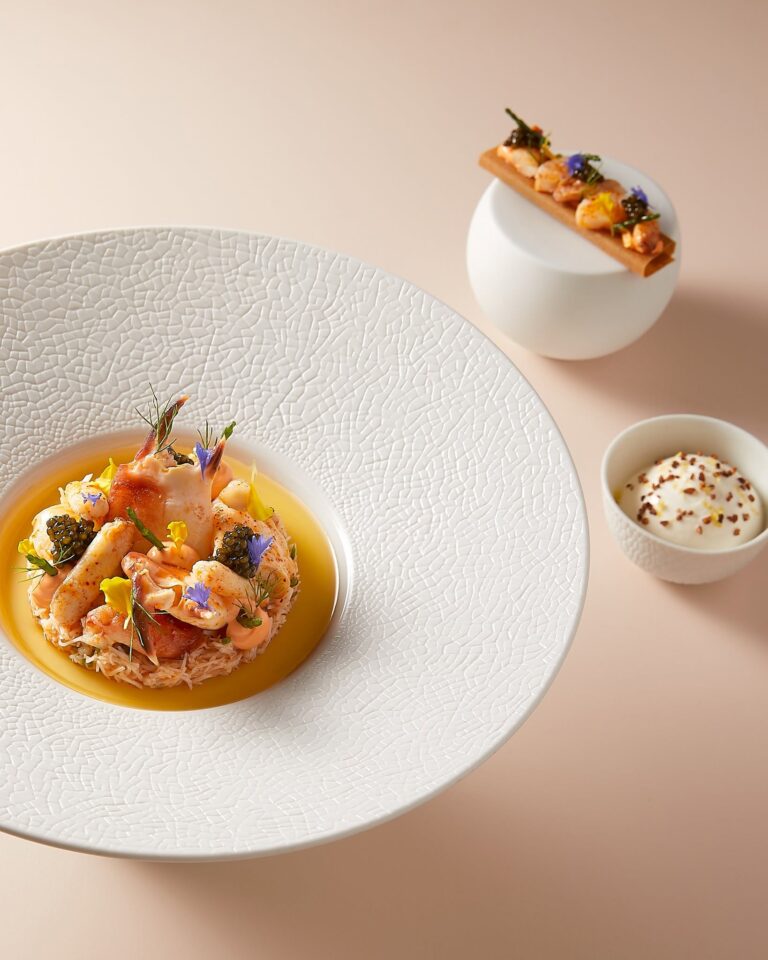
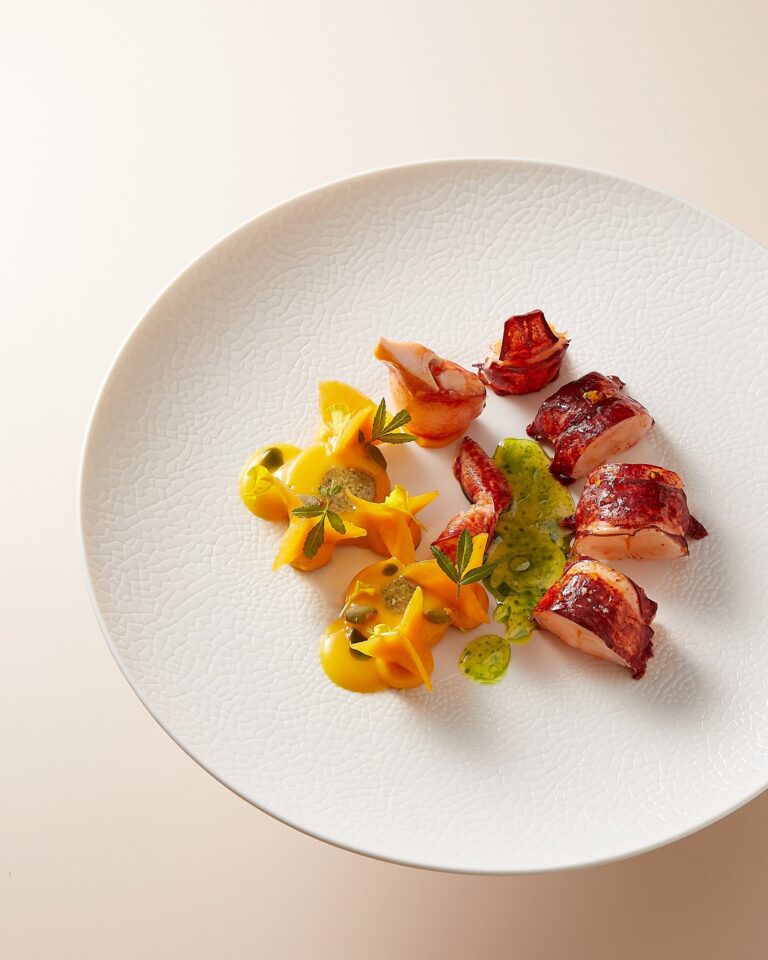
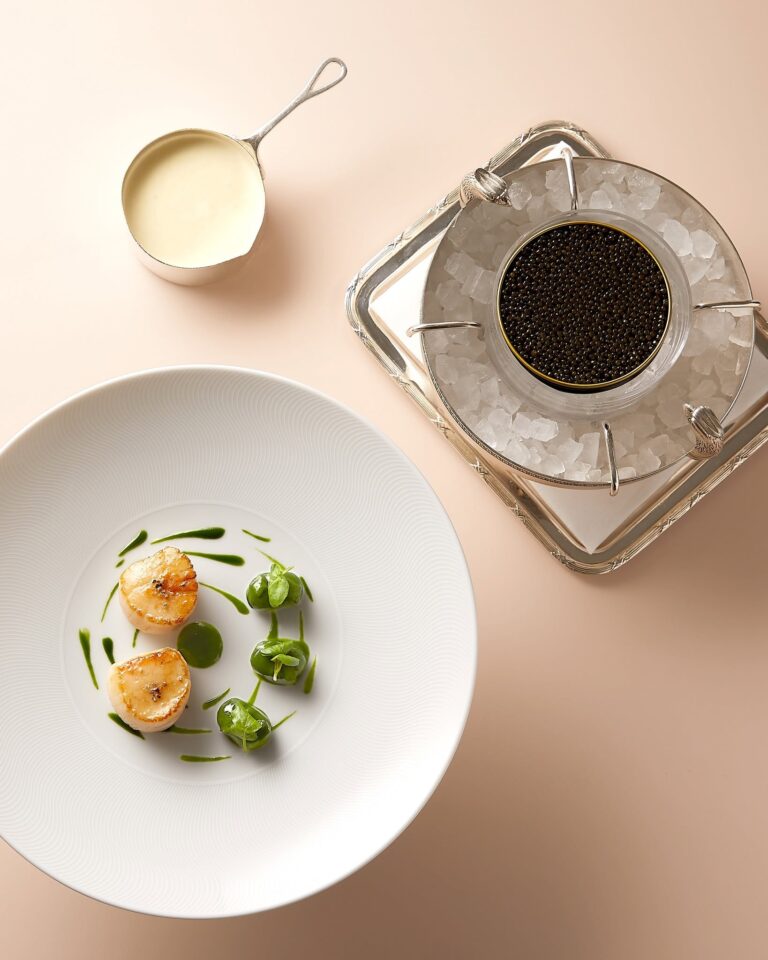
Credit: Le Bristol Paris via Instagram
Épicure
Set within Le Bristol Paris on Rue du Faubourg Saint-Honoré, Épicure is one of Paris’s defining destinations for contemporary French gastronomy. The restaurant currently holds three Michelin stars under Chef Arnaud Faye, whose cooking places exceptional produce, precision and clarity of flavour at the centre of the experience.
What It Is Known For
Épicure is known for highly refined French cooking that balances technical precision with an unusually light touch. Faye’s cuisine places considerable emphasis on vegetables, seasonal produce, precise sauces and carefully controlled cooking, while the restaurant’s bread and pastry work receive equal attention.
Cuisine
Contemporary French cuisine, drawing on the traditions of haute cuisine while presenting them with a cleaner, more restrained approach. The current menu gives particular prominence to seasonal vegetables, seafood and exceptional French produce.
Signature Dishes / Specialties
The menu changes with the seasons, but current specialities include turbot with celtuce and lovage, Bresse chicken with leeks and chanterelles, red mullet with roasted violet artichoke, and tourteau with buckwheat and samphire. The restaurant’s bread, made on site using heritage wheat varieties, is another recurring highlight.
Setting & Atmosphere
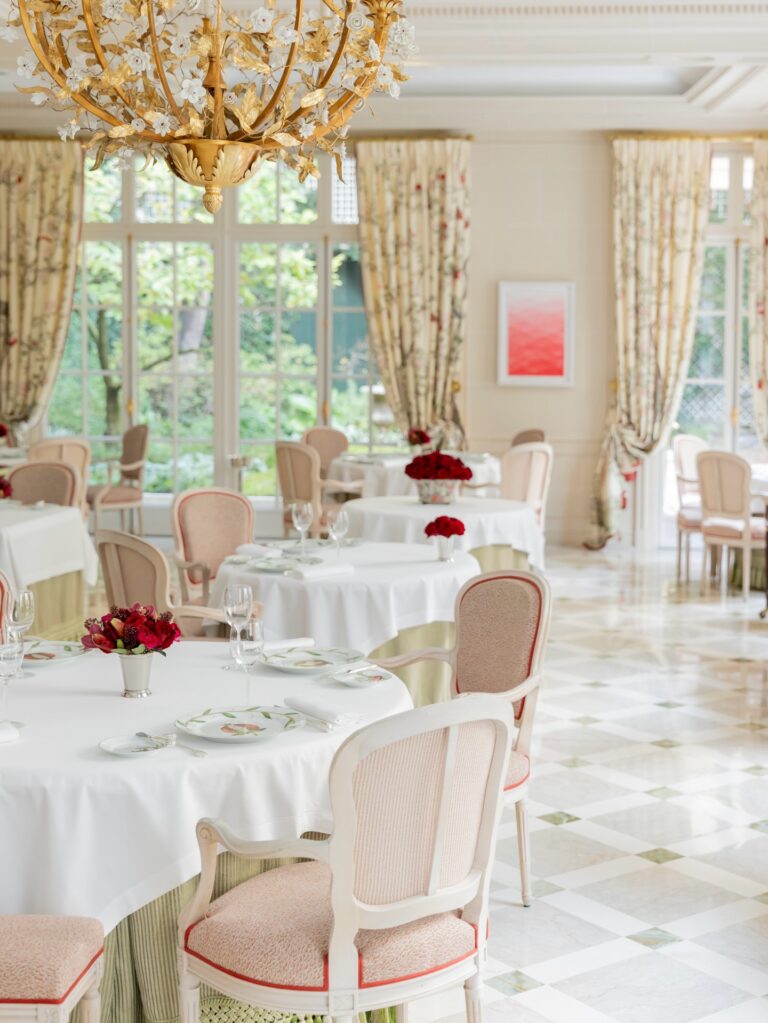
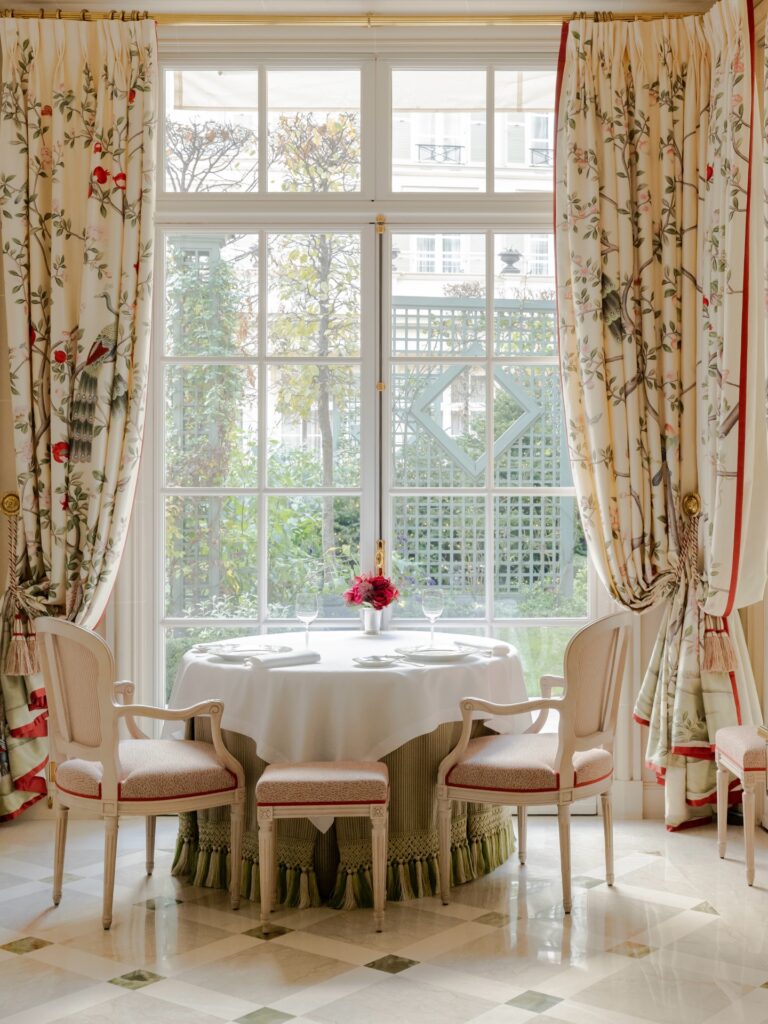
Épicure occupies an elegant dining room overlooking Le Bristol’s formal French garden. Louis XVI furnishings, mirrors, tall French windows and abundant natural light create an atmosphere that feels unmistakably Parisian without overwhelming the food. Outdoor dining is also available when the season allows.
Location
Le Bristol Paris, 112 Rue du Faubourg Saint-Honoré, 75008 Paris. The restaurant sits in the heart of the 8th arrondissement, close to the Champs-Élysées, Rue du Faubourg Saint-Honoré and Paris’s major luxury shopping addresses.
What Makes It Different
The distinction lies in its restraint. Rather than relying on theatrical presentation, Épicure builds its experience around the quality of ingredients, exact cooking, concentrated sauces and the rhythm of a highly polished three-star dining room. Its setting within one of Paris’s great palace hotels adds another layer to the occasion.
Price Level
This is firmly at the highest end of Parisian dining. The current standard tasting menu is approximately €490 per person, while the vegetarian menu is around €360, before drinks and supplements.
Reservation Advice
Reservations should be made well in advance, particularly for Friday and Saturday evenings. Épicure currently serves lunch and dinner from Tuesday to Saturday, with the restaurant closed on Sundays and Mondays.
Best Time to Visit
Late spring through early autumn is particularly appealing, when the garden adds another dimension to the experience and outdoor dining can be enjoyed. For a quieter occasion, weekday lunch can be an excellent alternative to a busy weekend evening.
What to Order
For a first visit, the tasting menu is the best way to experience Arnaud Faye’s current cooking. If ordering individual dishes, look towards the seasonal seafood and vegetable preparations, followed by the Bresse chicken when available. Leave room for the pastry course: Épicure’s desserts and bread programme are an important part of the experience rather than an afterthought.
Reserve a Table
