
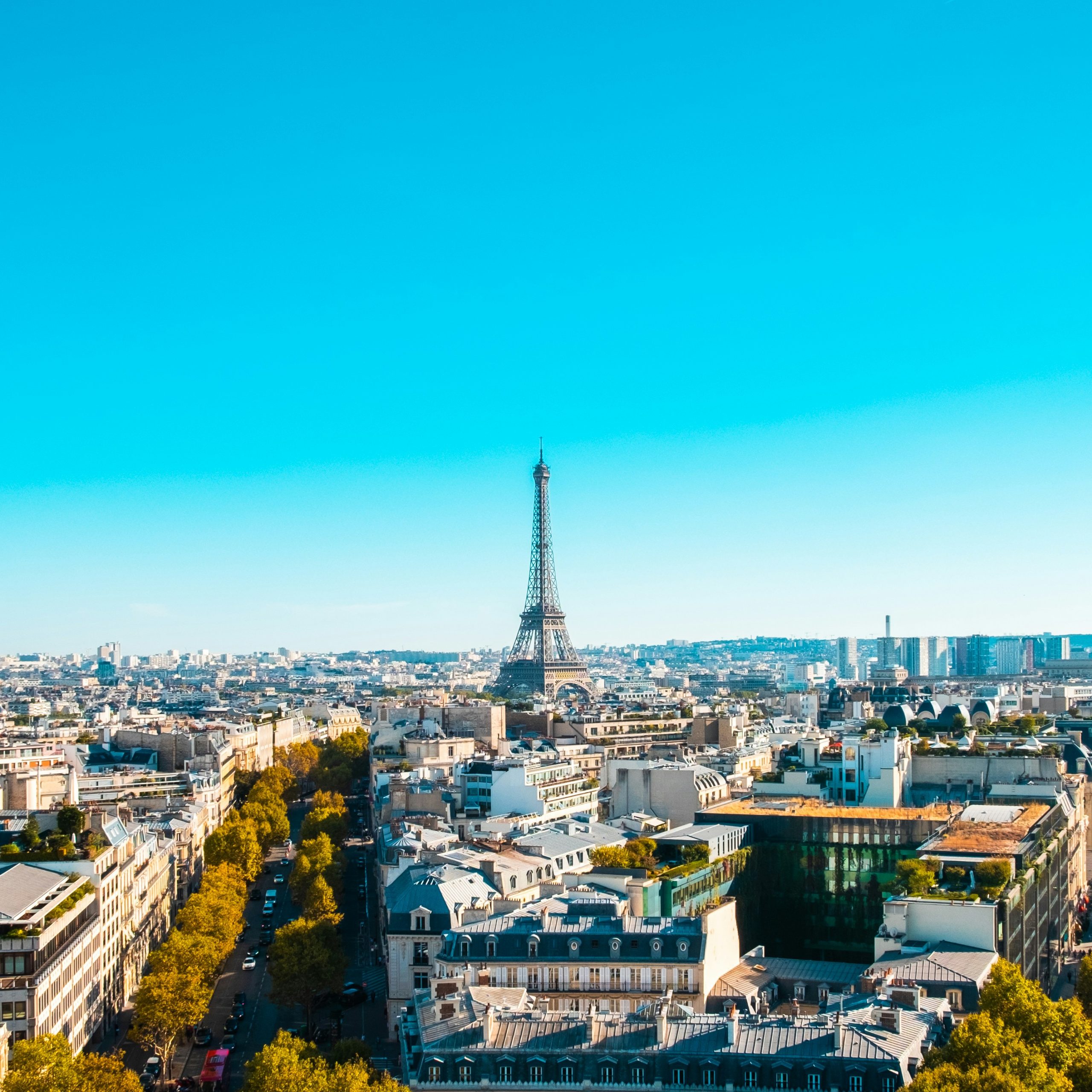
Paris operates simultaneously as a cultural reference point and a living city shaped by movement. It is a destination defined not only by its history, but by its ongoing role in fashion, design, cinema, and global tourism. From haute couture ateliers to independent cinemas, the city continues to influence how the world understands elegance, authorship, and visual language.
Travel in Paris is structured and deliberate. The city rewards orientation — knowing when to walk, when to take the metro, and when to pause in a neighbourhood rather than chase landmarks. Major cultural moments, such as Paris Fashion Week, transform entire districts, subtly shifting the city’s rhythm while reinforcing its position at the centre of the global creative calendar.
This guide approaches Paris through that dual lens: a city shaped by centuries of culture, and one that remains deeply relevant to modern travellers. The focus is on understanding how to move through Paris with awareness — engaging with its institutions, neighbourhoods, and daily rituals in a way that feels informed rather than performative.
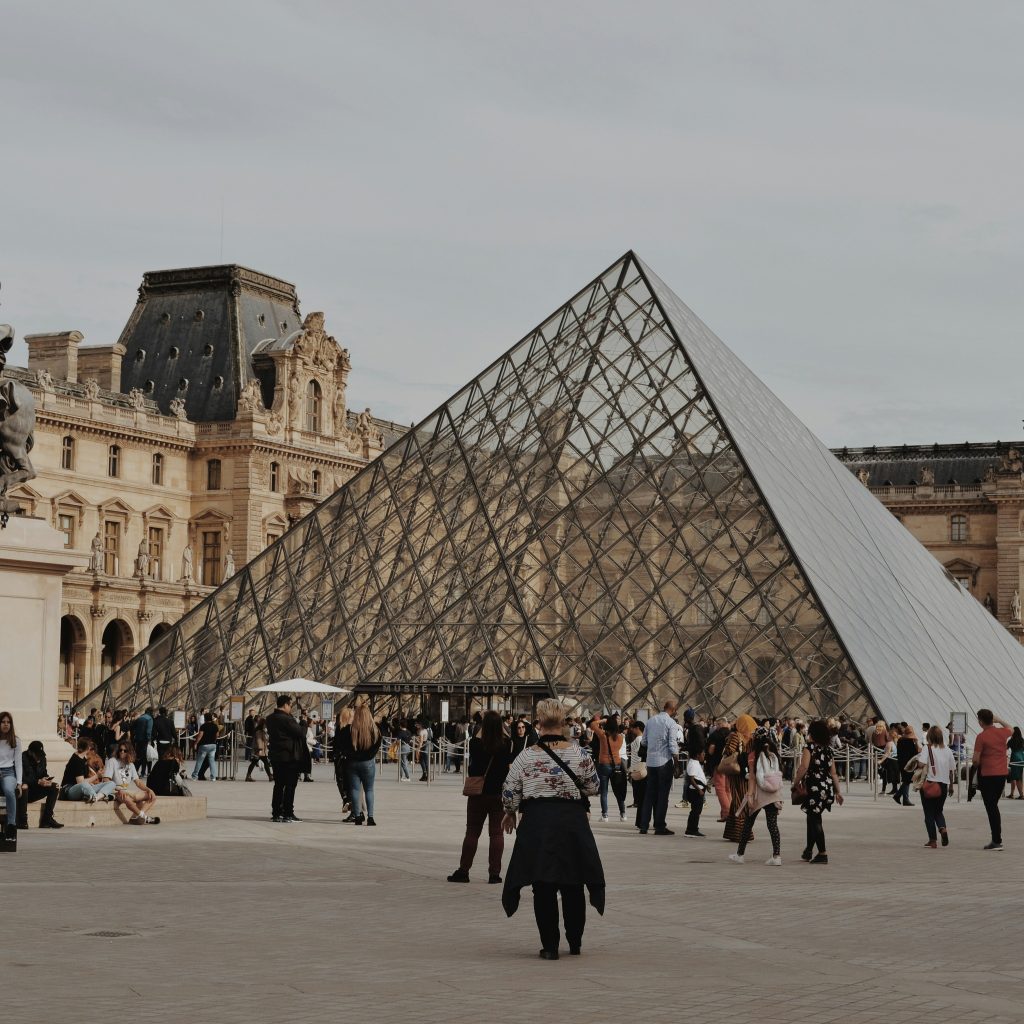
Louvre Museum
The Louvre is not simply a museum; it is a cultural infrastructure designed to handle scale. Housed within a former royal palace, it reflects the evolution of Paris from monarchy to republic, and from private power to public access. Its collections span millennia, but what defines the Louvre today is how it manages the movement of millions of visitors each year without losing institutional seriousness.
For travellers, understanding the Louvre begins with planning. Timed-entry tickets are essential, and visits benefit from focus rather than breadth. The museum’s layout encourages thematic or sectional exploration — whether centred on classical antiquity, Renaissance painting, or French decorative arts — rather than attempting comprehensive coverage. This approach respects both the visitor’s time and the museum’s scale.
Architecturally, the glass pyramid acts as a contemporary counterpoint to the historic façades, functioning as both an entrance and a symbolic threshold between old authority and modern accessibility. Positioned along the Seine and connected to surrounding districts, the Louvre integrates naturally into a day of walking and urban exploration. It remains one of the clearest examples of how Paris balances preservation with global tourism — serious, structured, and remarkably functional.
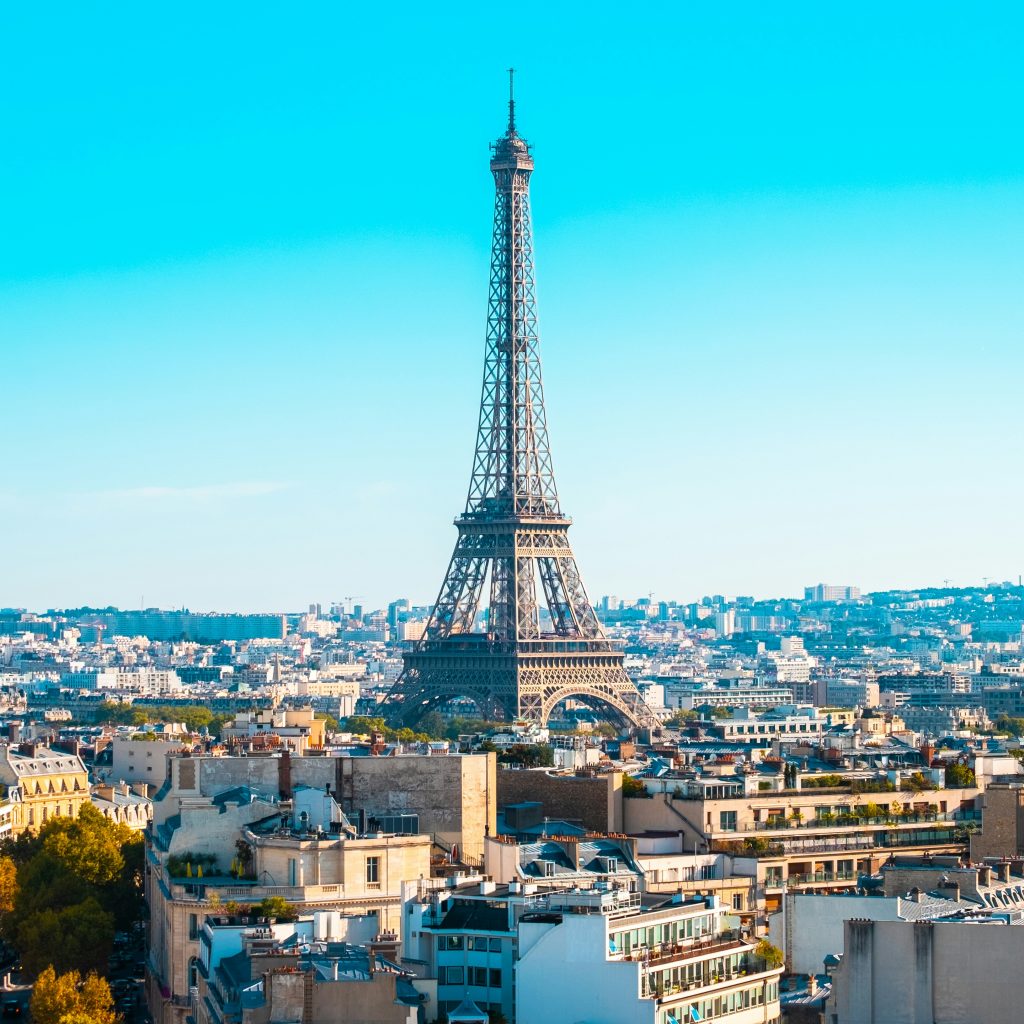
Eiffel Tower
The Eiffel Tower is Paris’s most visible symbol, but it is also one of its most instructive landmarks when approached thoughtfully. Built for the 1889 World’s Fair, it was designed as a temporary structure showcasing industrial innovation — a gesture aimed as much at visitors as at the future.
Today, it functions as a global tourism anchor. Visitor access is carefully managed, with timed ticketing and security measures that reflect its scale and popularity. For travellers, the experience is less about proximity and more about perspective. The tower is most effective when seen in context — rising above the Seine, aligning with major avenues, and acting as a constant point of orientation while moving through the city.
From a travel standpoint, its surroundings are as important as the structure itself. The Champ de Mars offers open space rarely found at this scale in central Paris, while nearby river crossings and walking routes connect easily to the Left Bank, Trocadéro, and central districts. For many visitors, the most memorable encounters occur not at the summit, but while navigating Paris with the tower appearing — and disappearing — naturally along the way.
The Eiffel Tower does not demand attention; it rewards it. When approached without expectation, it becomes less of a tourist obligation and more of a quiet introduction to how Paris balances history, structure, and everyday li
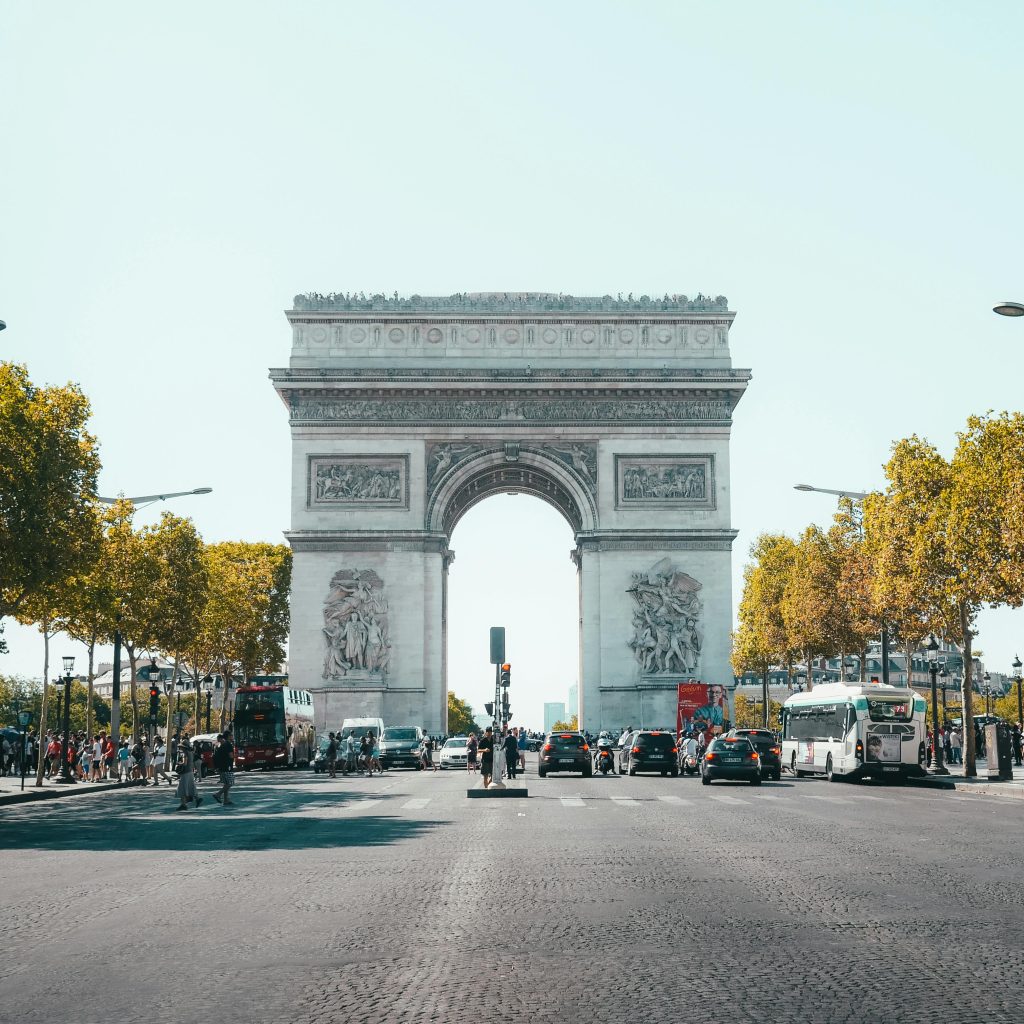
Arc de Triomphe
The Arc de Triomphe stands at the centre of one of the most deliberate urban designs in Europe. Commissioned to honour those who fought for France, it anchors the historical axis that runs from the Louvre through the Champs-Élysées and beyond. More than a monument, it functions as a point of orientation — visually, historically, and geographically.
Access to the Arc is managed via underground passages, reinforcing the separation between the monument and the constant circulation of traffic above. From the viewing platform, the city reveals its logic: twelve avenues extending outward in precise alignment, illustrating Paris’s commitment to order, symmetry, and long-term urban planning.
For visitors, the experience is as much about context as commemoration. The Arc connects military history with everyday movement, standing above one of the city’s busiest intersections while remaining symbolically still. Sunset visits offer the clearest sense of scale and rhythm, as the city transitions from daylight to evening without losing momentum.
The Arc de Triomphe endures because it represents continuity — not only of memory, but of structure. It reminds visitors that Paris is designed to be seen, navigated, and understood from multiple perspectives.
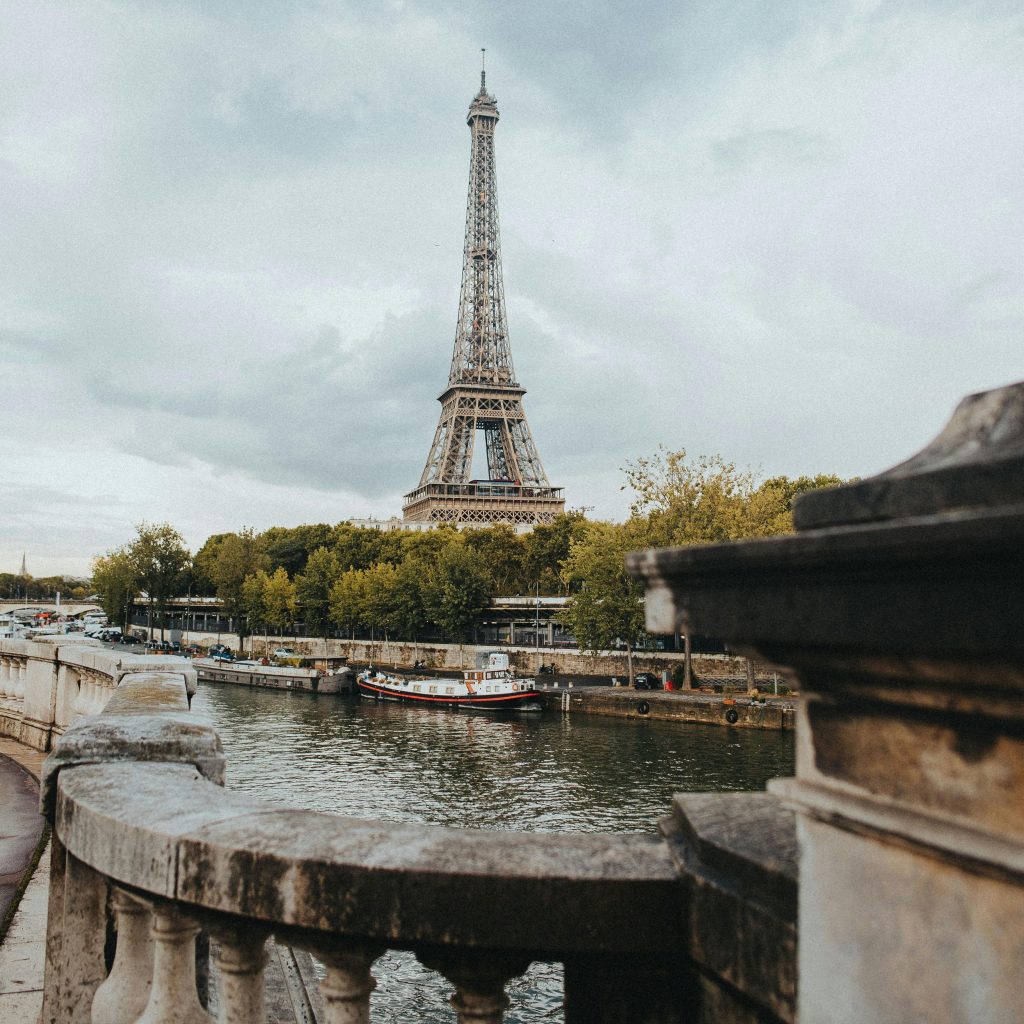
the Seine River
The Seine is Paris’s central artery, shaping the city’s development, tourism, and daily life. Its banks connect major landmarks while offering uninterrupted walking routes that reveal Paris at a human pace. Unlike cities defined by rapid transit or vertical scale, Paris reveals itself horizontally — and the river is where that logic becomes most visible.
For travellers, the Seine provides orientation. Many of the city’s most significant institutions and monuments sit along its edges, allowing exploration without constant navigation. A walk along the Left or Right Bank offers shifting perspectives — from grand architecture to bookstalls, cafés, and everyday routines.
River cruises offer a different vantage point, particularly for first-time visitors. While undeniably popular, they serve a practical role: contextualising the city’s layout and history in a short span of time. Evening cruises, in particular, reveal Paris at its most composed, as bridges and façades are illuminated and the city transitions into night.
More than a scenic feature, the Seine defines how Paris moves, rests, and presents itself. It is the element that ties together neighbourhood life, cultural institutions, and tourism — quietly reinforcing the city’s coherence.
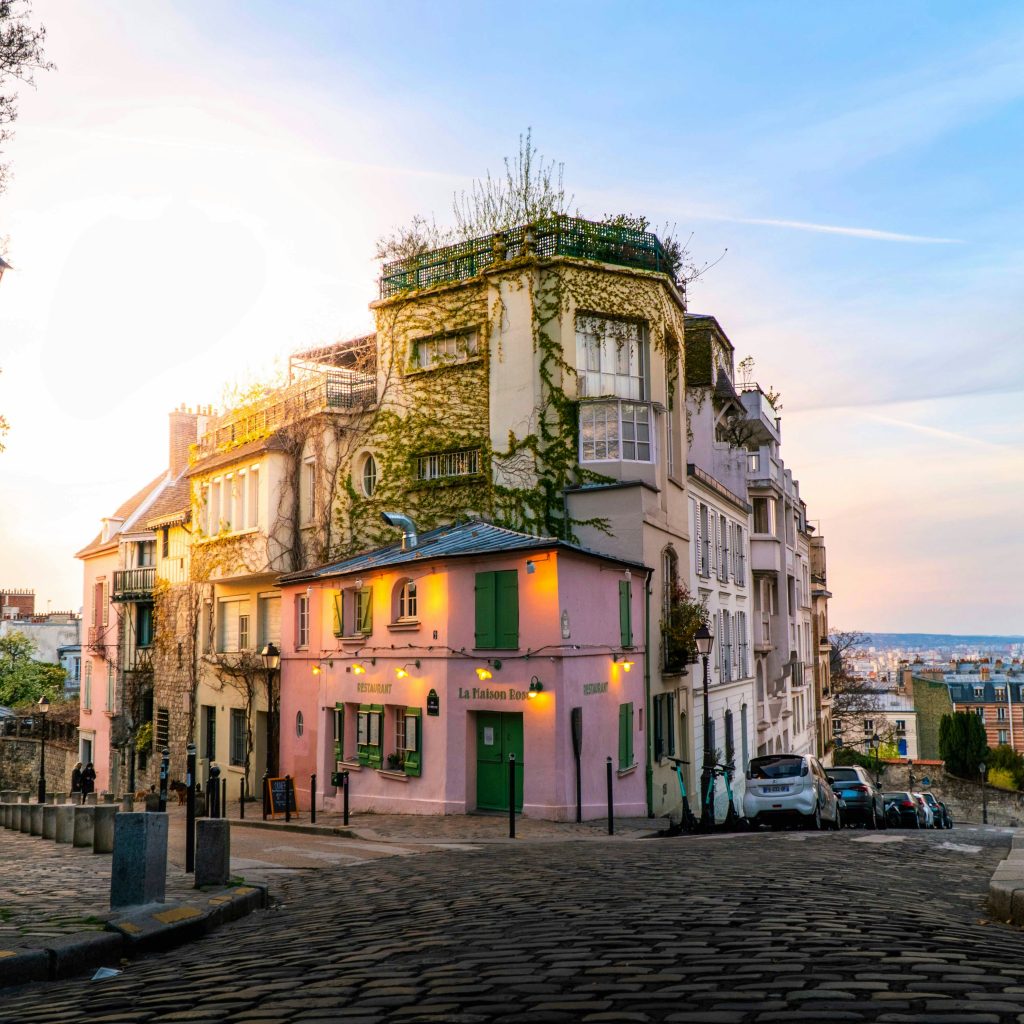
Montmartre
Montmartre operates on a different rhythm from the rest of Paris. Once a village outside the city walls, it retains a sense of separation that is felt both geographically and culturally. Its streets climb, narrow, and resist symmetry, offering an experience that feels more lived-in and less formally designed than the grands boulevards below.
At its summit, the Sacré-Cœur Basilica dominates the skyline. Built in the late 19th century, its white stone exterior is intentionally luminous, creating a visual landmark visible across much of the city. While its history is complex and sometimes debated, the basilica today functions as both a place of worship and a point of panoramic orientation. From its steps, Paris unfolds gradually — layered rooftops, distant monuments, and the slow movement of the city beneath.
Montmartre’s identity is tied to its artistic past. Painters, writers, and musicians once found here a degree of freedom unavailable elsewhere in Paris. While tourism has reshaped parts of the area, quieter streets still reveal that creative independence. Visiting early in the morning or later in the evening preserves that atmosphere, allowing the neighbourhood to feel reflective rather than performative.
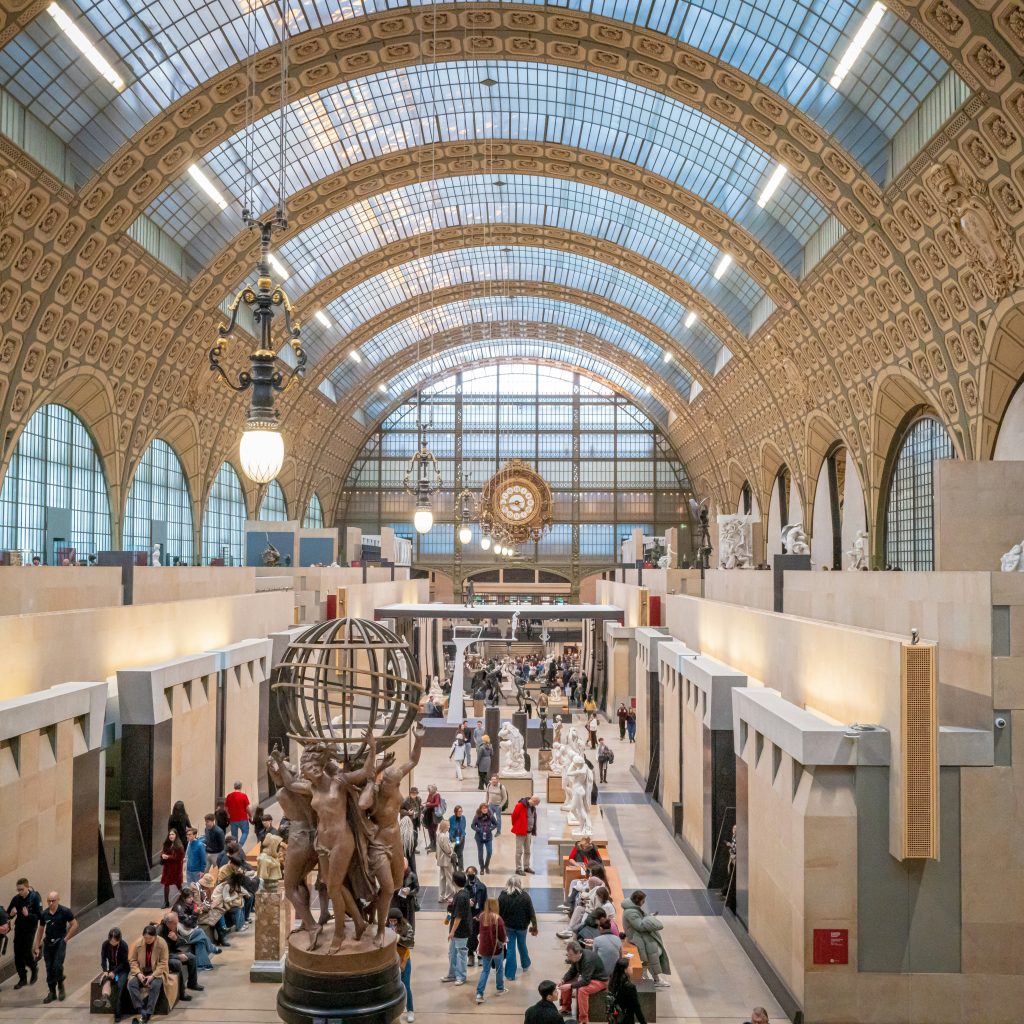
Musée d'Orsay
Housed in a former railway station on the Left Bank, the Musée d’Orsay is as much about transition as it is about art. Its collection focuses on the period between classical tradition and modern expression, offering a clear narrative of how European art shifted in response to industrialisation, urban life, and changing social values.
What makes the museum especially compelling for visitors is its clarity. The layout allows you to follow movements and artists without feeling overwhelmed, making it accessible even for those without a deep art background. Works by Monet, Degas, Renoir, and Van Gogh are presented not as isolated masterpieces, but as part of a broader cultural moment that reshaped visual language.
From a travel perspective, the Musée d’Orsay is well placed within a wider Left Bank itinerary. Its scale allows for a focused visit rather than an all-day commitment, leaving time to explore nearby streets or continue along the Seine. It’s a museum that rewards curiosity without demanding expertise — reflective, structured, and distinctly Parisian in its restraint.
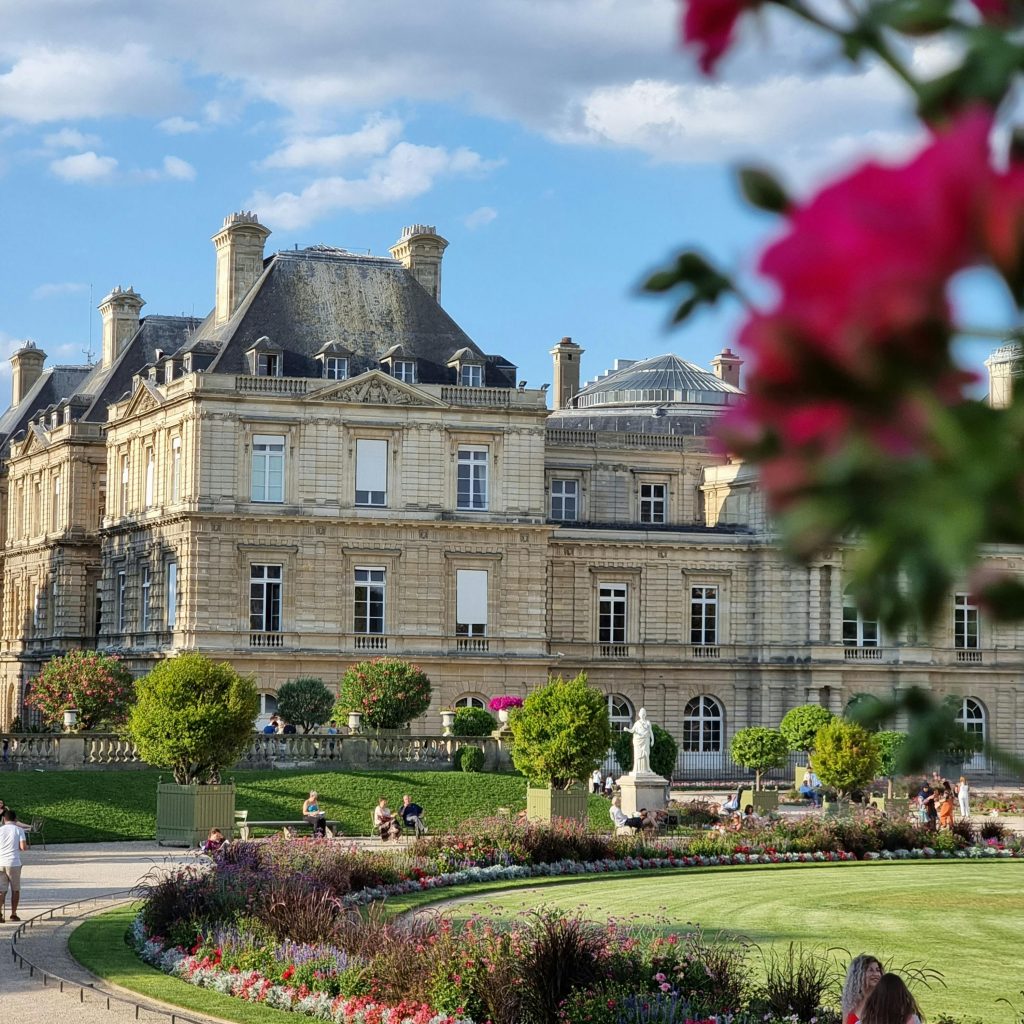
Jardin du Luxembourg
The Jardin du Luxembourg offers one of the clearest views into how Parisians use public space. Designed with symmetry and intention, the gardens combine formal landscaping with areas meant for pause — chairs arranged around fountains, shaded paths, and open lawns that encourage lingering rather than movement.
Unlike monumental parks, Luxembourg feels personal. Students read between classes, families gather near the central basin, and walkers move at an unhurried pace. The presence of the Palais du Luxembourg adds architectural weight, but the atmosphere remains approachable and lived-in.
For visitors, the garden functions as a reset. It’s an ideal place to slow the day, particularly after time spent in museums or dense neighbourhoods. Whether visited briefly or over an afternoon, the Jardin du Luxembourg reflects a key Parisian principle: that beauty is most meaningful when it’s integrated into daily life.
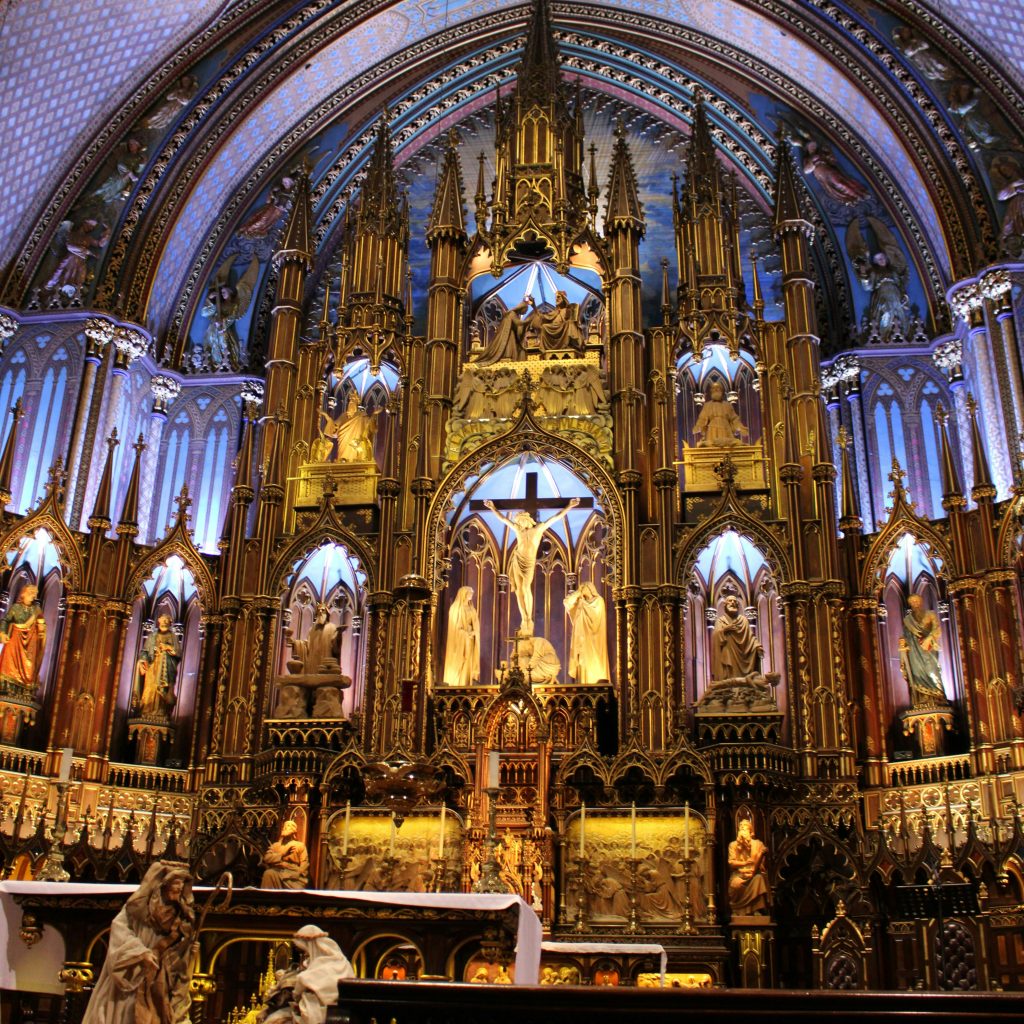
Cathédrale Notre-Dame
Notre-Dame stands as one of Paris’s most enduring symbols, not because of scale alone, but because of its relationship with the city’s history. Located at the heart of Île de la Cité, the cathedral has witnessed centuries of political, cultural, and religious change, making it as much a civic landmark as a spiritual one.
Following its restoration, visiting Notre-Dame now carries an added sense of perspective. The exterior details — flying buttresses, sculpted portals, and the western façade — are best appreciated slowly, with attention to craftsmanship rather than spectacle. Inside, the emphasis is on light, proportion, and verticality, qualities that define Gothic architecture at its most restrained and confident.
For travellers, Notre-Dame fits naturally into a walking route through central Paris. Even without entering, its presence anchors the surrounding streets and riverbanks, offering a moment of reflection amid the city’s pace. It is a site that invites respect rather than urgency, and rewards visitors who approach it with patience.
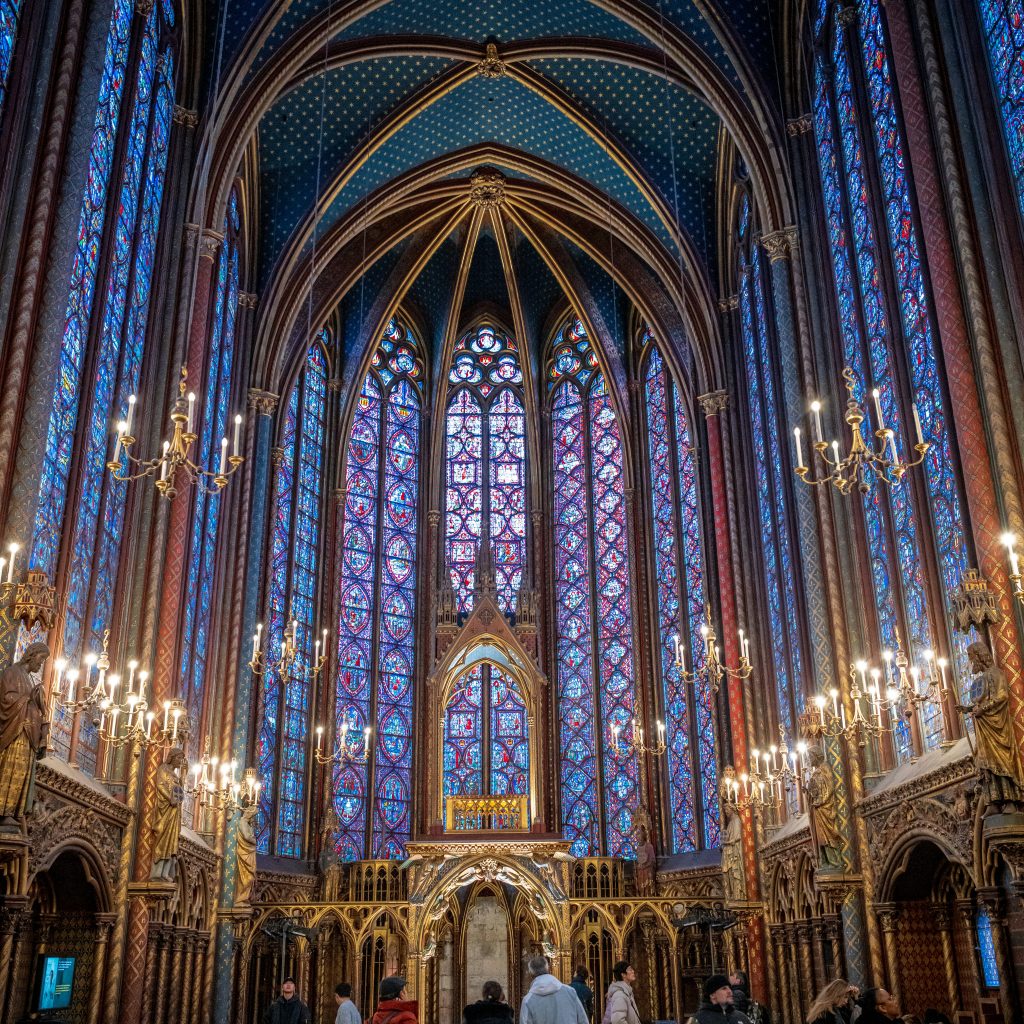
Sainte Chapelle
Just steps from Notre-Dame, Sainte-Chapelle offers a completely different experience of sacred space. Built in the 13th century, the chapel is defined almost entirely by its stained glass, which transforms light into structure, colour, and narrative.
The upper chapel is the focus of the visit. Here, walls dissolve into glass, and the visual emphasis shifts upward, creating a sense of openness that feels surprisingly modern. Biblical scenes unfold across the windows in intricate detail, making the space immersive without being overwhelming.
From a practical standpoint, Sainte-Chapelle is best visited earlier in the day or outside peak hours, when the light is clearer and the atmosphere more contemplative. The experience is brief but memorable, offering a concentrated moment of beauty that contrasts beautifully with the weight and solidity of Notre-Dame nearby.
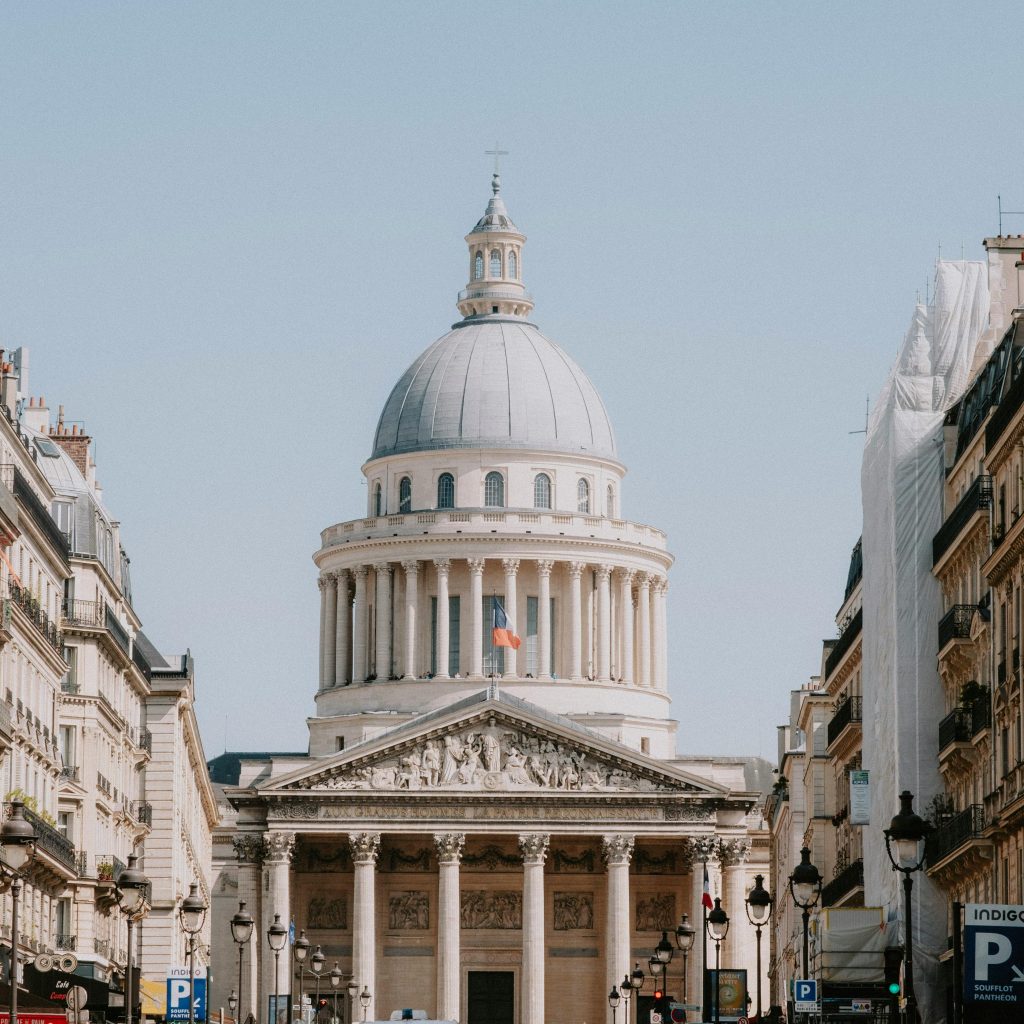
Panthéon
The Panthéon occupies a unique place in Paris. Originally built as a church and later transformed into a secular mausoleum, it reflects the city’s ongoing dialogue between faith, reason, and civic identity. Located in the Latin Quarter, it stands slightly apart from the tourist flow, which suits its character.
Architecturally, the building draws inspiration from classical antiquity, with a monumental dome and restrained interior that feels deliberate rather than decorative. The space encourages stillness. It is not designed to impress through excess, but through proportion and symbolism.
Inside, the crypt holds the tombs of figures who shaped France’s intellectual and cultural life — writers, scientists, philosophers, and political thinkers. Visiting the Panthéon offers context rather than spectacle, grounding Paris not just as a place of beauty, but as a city built on ideas.
For travellers, it pairs naturally with a walk through the Latin Quarter or the nearby Luxembourg Gardens, adding depth to an area already defined by learning and reflection.
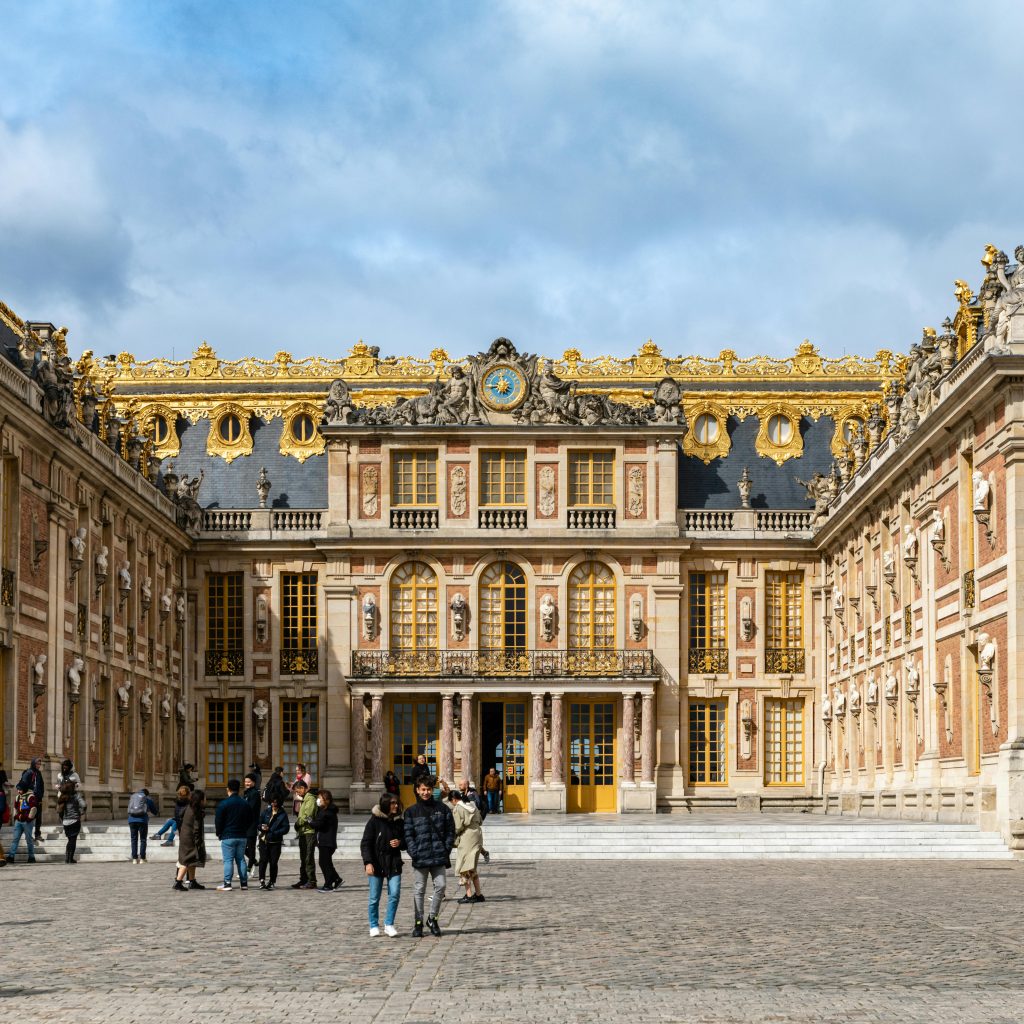
Le Marais
Le Marais is one of Paris’s most layered neighbourhoods, where historic preservation and contemporary life coexist with unusual ease. Originally an aristocratic district, its grand hôtels particuliers now house museums, galleries, and cultural institutions, giving the area an architectural richness that feels immersive rather than ornamental.
What distinguishes Le Marais today is its adaptability. Independent boutiques sit alongside concept stores, while cafés and small squares encourage slow exploration. The neighbourhood is also central to Paris’s creative and LGBTQ+ communities, adding social depth that goes beyond aesthetics. This blend of past and present makes Le Marais one of the city’s most relevant areas — not just to visit, but to understand.
From a practical perspective, Le Marais is exceptionally walkable. Its compact streets invite unplanned detours, whether toward the Place des Vosges — one of Paris’s most elegant squares — or into quieter residential pockets where daily life continues uninterrupted. For visitors, it offers a sense of Paris that feels both historically grounded and unmistakably current.
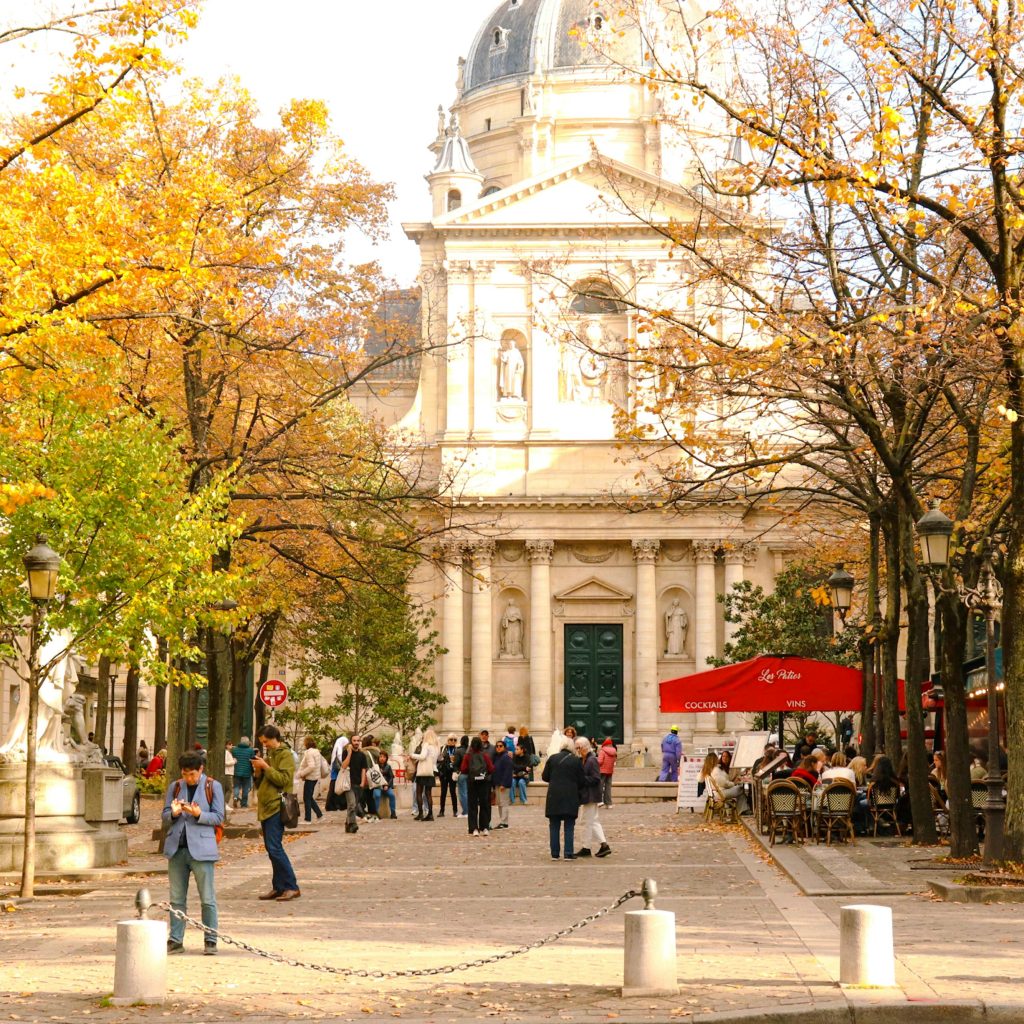
The Latin Quarter
The Latin Quarter has long been associated with learning, debate, and intellectual life. Anchored by the Sorbonne and shaped by centuries of academic presence, the neighbourhood remains one of Paris’s most culturally introspective areas. Its streets reflect this legacy — bookshops, lecture halls, and cafés still serve as informal extensions of scholarly life.
Despite its historic reputation, the Latin Quarter is not static. Student energy keeps the area active and informal, balancing tradition with movement. You’ll find classical façades alongside modest eateries, cinemas, and independent bookstores that cater as much to locals as to visitors. This accessibility makes the neighbourhood feel open rather than ceremonial.
For travellers, the Latin Quarter offers insight into how Paris thinks. It’s less about landmarks and more about atmosphere — wandering streets where conversations, reading, and reflection feel like part of the landscape. Visiting here provides context for the city’s cultural influence, revealing a Paris shaped as much by ideas as by architecture.
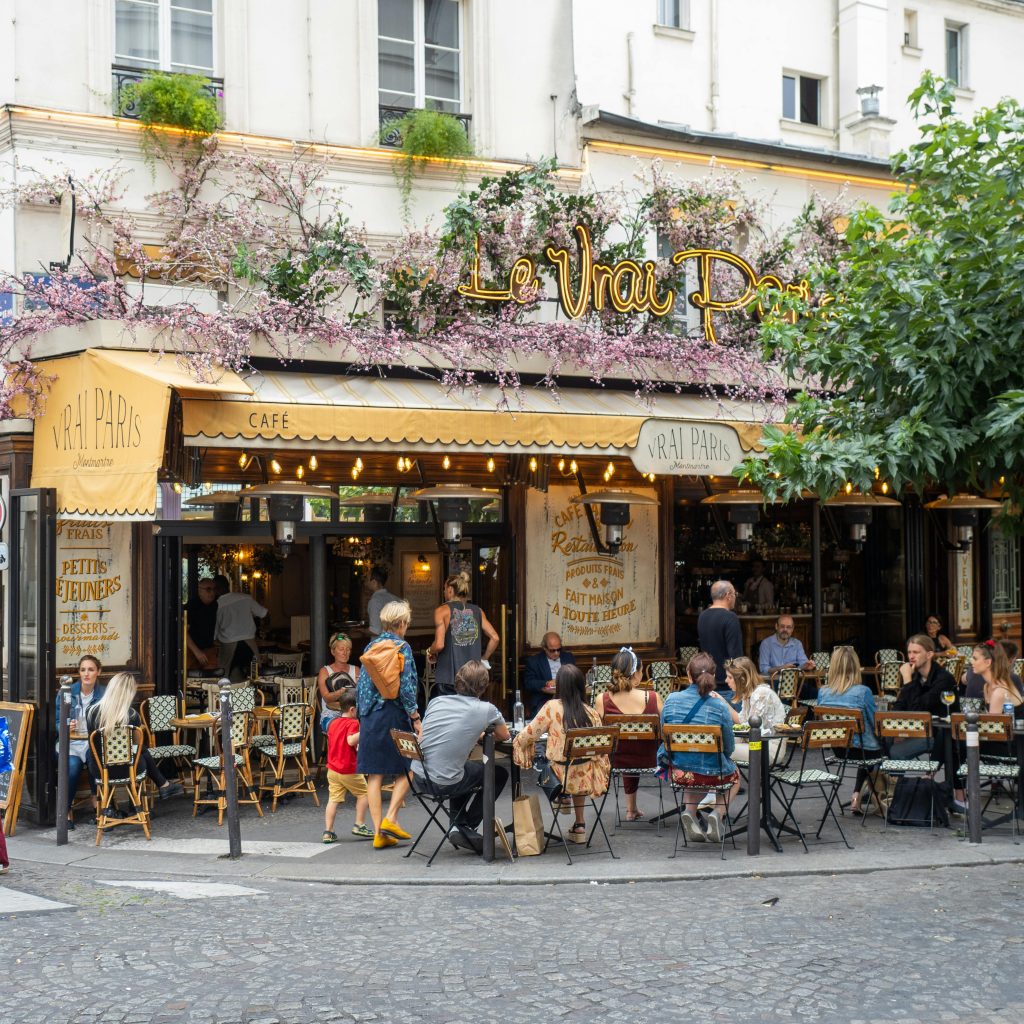
Restaurants & Cafés in Paris
Paris’s food culture is often framed through reputation, but its real strength lies in consistency rather than spectacle. Dining here is not designed to impress through novelty; it operates on standards that are quietly upheld across neighbourhoods, price points, and formats.
Cafés remain central to daily life, functioning as extensions of the street rather than destinations in themselves. They are places to read, observe, meet, or pause — and their value is cultural as much as culinary. A simple coffee or light meal often comes with an unspoken understanding of time: there is no pressure to rush, nor an expectation to linger performatively.
Restaurants follow a similar logic. While Paris is home to celebrated fine-dining institutions, much of the city’s food culture exists in smaller establishments focused on seasonal produce, regional traditions, and restrained execution. Menus tend to be concise, changing regularly rather than offering exhaustive choice. This approach prioritises quality and reliability over abundance.
Neighbourhood context matters. Dining in Paris is shaped by where you are — not only geographically, but socially. A bistro in the 11th arrondissement serves a different rhythm than one near major landmarks, and recognising this distinction often leads to more satisfying experiences. The most memorable meals are rarely the most photographed ones, but those that align naturally with the pace of the day.
For visitors, the key is expectation management. Paris rewards curiosity and attentiveness more than trend-chasing. Choosing places that feel integrated into their surroundings — rather than designed solely for visitors — offers a clearer understanding of how food functions within the city’s daily life.
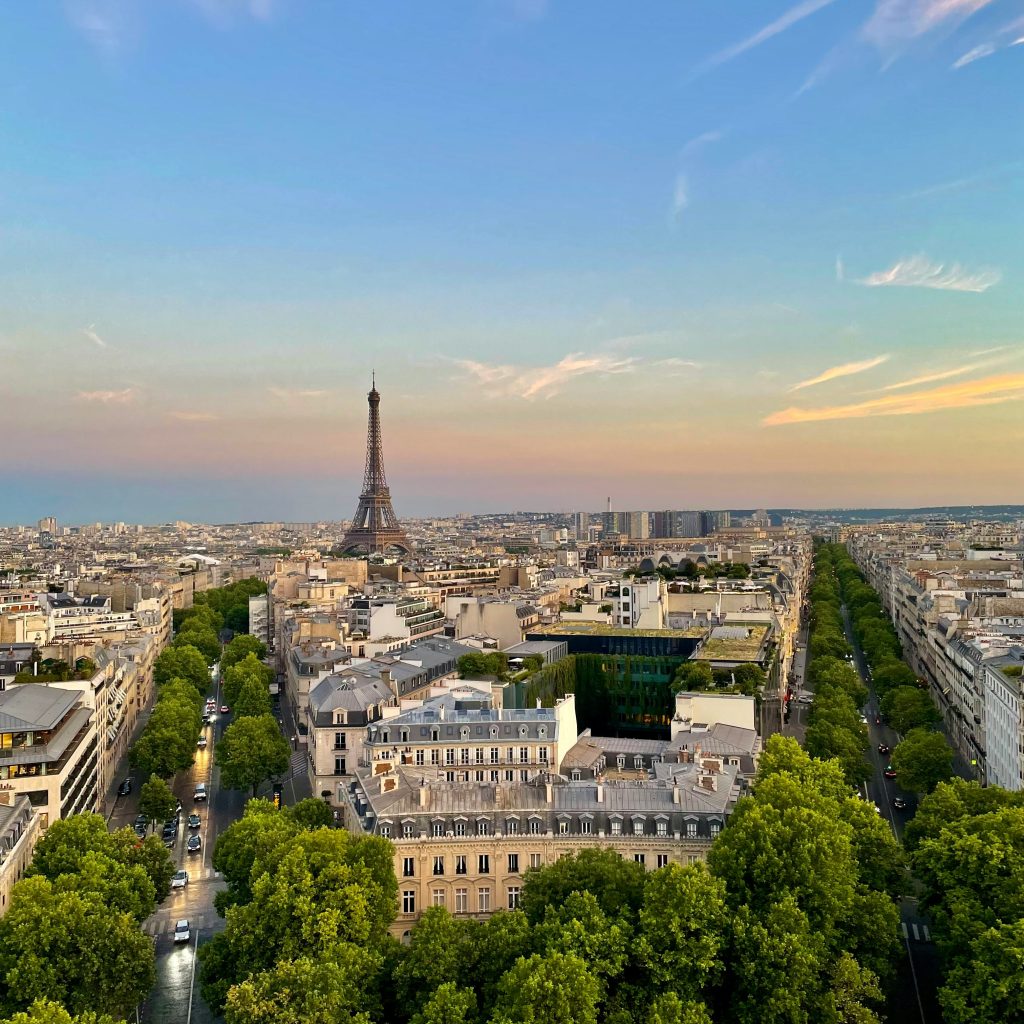
Best Time to Visit Paris
Paris changes character noticeably throughout the year, and timing has a direct impact on how the city feels rather than simply how it looks.
Spring and early autumn are often considered ideal, not because they are flawless, but because they strike a balance. Temperatures are moderate, outdoor life resumes or continues, and the city moves at a pace that feels engaged without being overwhelming. Parks, riverbanks, and neighbourhood streets become part of daily movement rather than occasional detours.
Summer introduces intensity. Tourism peaks, particularly around major landmarks, and the city becomes more compressed. At the same time, longer days extend evenings, and Paris adopts a slower nocturnal rhythm. For travellers comfortable navigating crowds and heat, summer offers energy and social density — though it requires patience.
Winter presents a quieter version of the city. Shorter days and colder weather reduce foot traffic, especially outside central areas. Cultural institutions remain active, cafés feel more intimate, and the city’s architectural presence becomes more pronounced without seasonal distractions. December, in particular, introduces a distinct atmosphere, with restrained seasonal decorations and an emphasis on interior spaces rather than spectacle.
Rather than a single “best” season, Paris rewards alignment. Visiting when your preferences match the city’s natural tempo — whether calm or animated — makes the experience feel intentional rather than reactive.
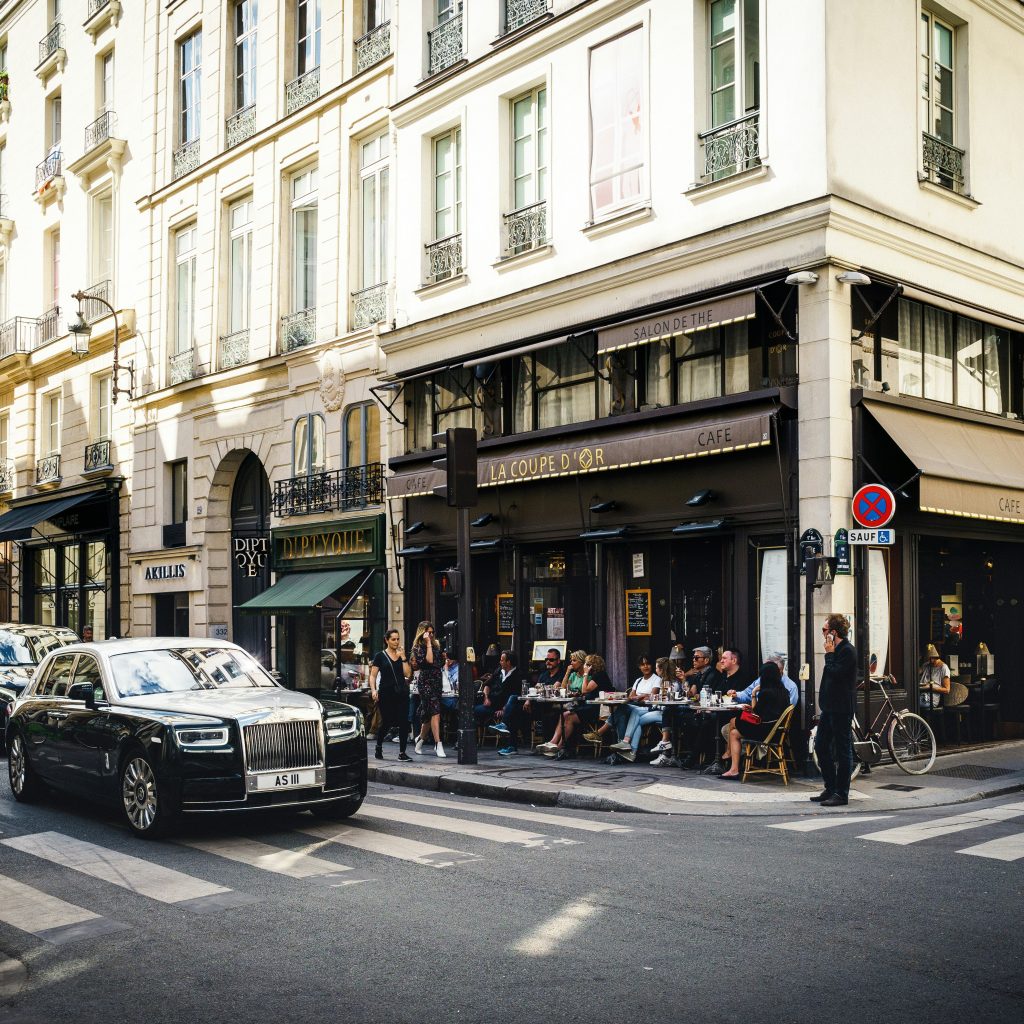
Getting Around Paris
Paris is designed for movement. Its scale, layout, and infrastructure allow visitors to navigate the city with minimal friction, provided they understand how it functions.
Walking remains the most effective way to experience central Paris. Many major landmarks and neighbourhoods are closer than they appear, and the city’s street structure encourages gradual exploration rather than direct transit. Walking also reveals the transitions between districts, which are often as informative as the destinations themselves.
Public transportation is reliable and extensive. The métro covers nearly all areas a visitor is likely to need, operating with consistency rather than complexity. Trains are frequent, signage is clear, and routes are logical once understood. Buses offer an alternative perspective, trading speed for visibility and surface-level orientation.
Taxis and ride-hailing services are readily available, though rarely essential. They are most useful late at night or when travelling longer distances across the city. Cycling has become more common, supported by expanded bike lanes and public bike-sharing systems, though it suits confident riders more than casual users.
For visitors, efficiency comes from moderation. Overplanning movement often leads to unnecessary transit time. Paris is best experienced by grouping nearby areas and allowing the city’s structure to guide progression naturally.

Comment (0)