Stretching along the southeastern Mediterranean coastline of France, from the Italian border to the glamorous resorts of the Côte d’Azur, the French Riviera has long occupied a unique place within global travel. Known in French as the Côte d’Azur, the region is celebrated for its outstanding combination of coastal beauty, elegant seaside towns, historic villages, Mediterranean cuisine, cultural heritage, and an enduring lifestyle shaped by sunshine, the sea, and outdoor living. While today the French Riviera is synonymous with luxury yachts, prestigious events, and some of Europe’s most exclusive destinations, its rise as an international travel destination began during the nineteenth century. Drawn by the region’s mild winter climate and spectacular coastal scenery, European aristocrats, royalty, artists, and writers began establishing seasonal residences along the coast. Over time, destinations such as Nice, Cannes, Monaco, Antibes, and Saint-Tropez evolved from traditional fishing communities and coastal towns into some of the most sought-after addresses in the Mediterranean. Throughout the twentieth century, the French Riviera became a symbol of elegance and leisure. The arrival of celebrated artists including Pablo Picasso, Henri Matisse, Marc Chagall, and Jean Cocteau helped shape the region’s cultural identity, while the Cannes Film Festival, Monaco Grand Prix, and the rise of international yachting further cemented its reputation on the global stage. Yet beyond the glamour that often defines the Riviera’s image lies a region of beautiful diversity, where medieval hilltop villages overlook the sea, colourful waterfront towns preserve centuries of maritime heritage, and local markets continue traditions that have endured for generations. Today, the French Riviera offers far more than luxury alone.
Visitors can spend their days exploring historic old towns, discovering world-class museums, relaxing on Mediterranean beaches, hiking coastal paths, sailing between islands, dining on Provençal and Mediterranean cuisine, or wandering through picturesque villages suspended between mountains and sea. From the vibrant energy of Nice and Cannes to the timeless elegance of Saint-Jean-Cap-Ferrat, the artistic atmosphere of Antibes, the dramatic beauty of Èze, and the colourful waterfronts of Menton and Villefranche-sur-Mer, each destination contributes its own distinct character to the Riviera experience. Whether you’re planning a coastal road trip, a cultural journey, a romantic Mediterranean escape, or a classic summer voyage, the French Riviera remains one of Europe’s most complete and rewarding travel destinations a coastline where history, culture, scenery, gastronomy, and the art of living continue to come together in a way few places in the world can match.
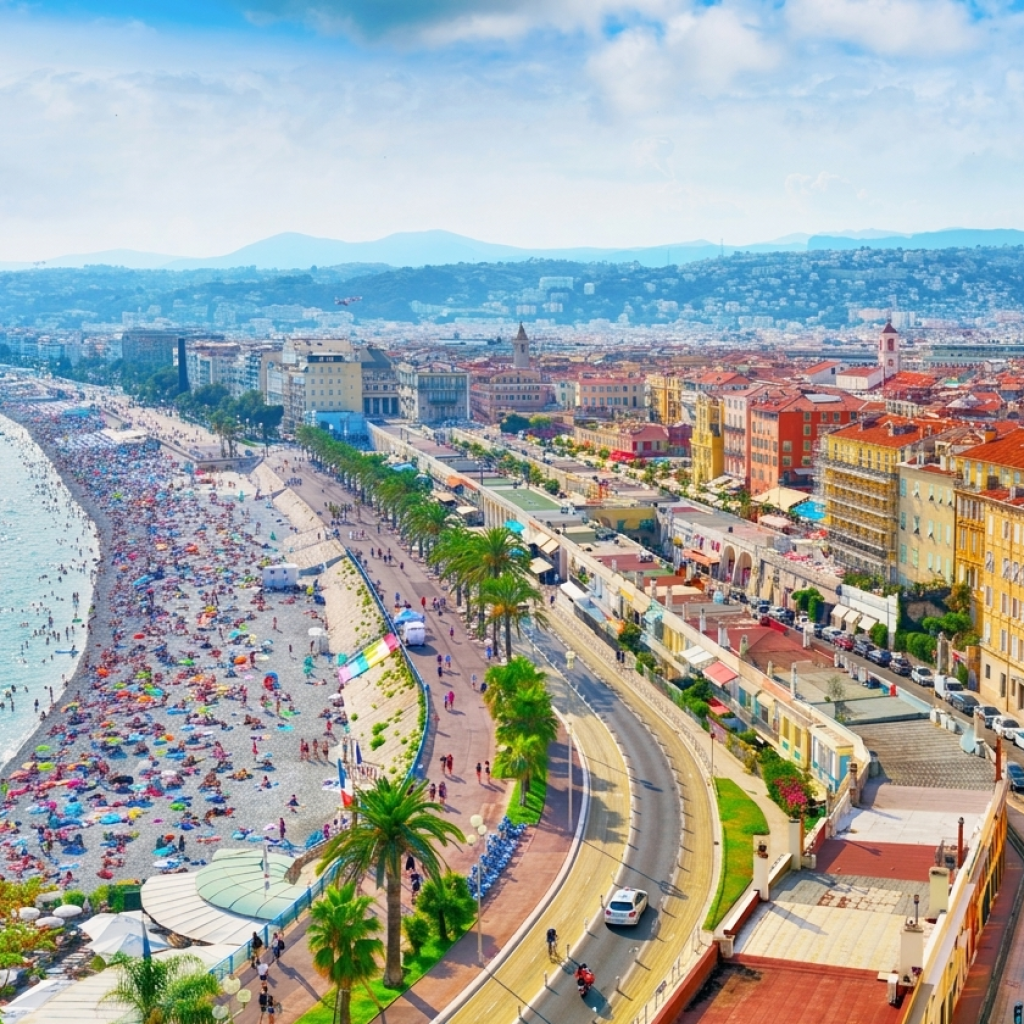
Nice
As the largest city on the French Riviera and the unofficial capital of the Côte d’Azur, Nice combines Mediterranean coastline, Belle Époque elegance, vibrant local culture, renowned museums, historic neighbourhoods, and some of southern France’s most celebrated cuisine. Unlike many Riviera destinations that focus primarily on luxury resorts or seasonal tourism, Nice functions as a living city throughout the year, where local markets, historic squares, art institutions, and seaside promenades form part of everyday life. Positioned between the Alps and the Mediterranean, Nice offers visitors a distinctive blend of French and Italian influences shaped by centuries of history. From the colourful streets of Vieux Nice to the iconic Promenade des Anglais and world-class museum collections dedicated to artists such as Matisse and Chagall, the city provides one of the Riviera’s most complete travel experiences.
Highlights of Nice
Promenade des Anglais
The most iconic waterfront promenade on the French Riviera stretches for approximately seven kilometres along the Bay of Angels. Lined with palm trees, luxury hotels, beach clubs, gardens, and cafés, the promenade has become synonymous with the Riviera lifestyle and remains one of Nice’s defining landmarks.
Vieux Nice (Old Town)
The historic heart of Nice is characterised by narrow alleyways, colourful facades, lively squares, traditional markets, artisan boutiques, and centuries-old churches. The district offers one of the most authentic atmospheres on the French Riviera.
Place Masséna
The city’s principal square serves as the symbolic centre of Nice, linking the old town, shopping districts, gardens, and waterfront. Its distinctive architecture, fountains, and public art installations make it one of the city’s most recognisable locations.
Castle Hill (Colline du Château)
Although the original castle no longer remains, this elevated park provides some of the finest panoramic views on the Riviera. Visitors enjoy sweeping perspectives over Vieux Nice, the Bay of Angels, Port Lympia, and the surrounding coastline.
Cours Saleya Market
One of southern France’s most famous markets, Cours Saleya hosts flower stalls, fresh produce vendors, regional specialties, and local artisans throughout the week, creating one of the city’s most vibrant cultural experiences.
Port Lympia
Nice’s historic harbour combines luxury yachts, traditional fishing boats, colourful waterfront buildings, and lively restaurants, offering a more local maritime atmosphere than many Riviera marinas.
Bay of Angels (Baie des Anges)
The sweeping coastline that frames Nice provides one of the Riviera’s most recognisable natural settings, with turquoise waters extending toward Cap d’Antibes and the Esterel coastline beyond.
Historic Sites & Cultural Attractions
Nice Cathedral (Cathédrale Sainte-Réparate)
Located in the heart of Vieux Nice, this Baroque cathedral represents one of the city’s most important religious landmarks and reflects the strong Italian influences that shaped Nice’s architectural heritage.
Palais Lascaris
This beautifully preserved seventeenth-century aristocratic residence offers insight into the city’s noble past through elaborate interiors, decorative arts, and historic collections.
Monastery of Cimiez
Situated within one of Nice’s oldest districts, the monastery and surrounding gardens offer a peaceful setting while preserving centuries of religious and cultural history.
Roman Ruins of Cimiez
The archaeological remains of the ancient Roman settlement of Cemenelum include baths, an amphitheatre, and other structures that reveal Nice’s origins as an important Roman centre.
Russian Orthodox Cathedral
One of the largest Russian Orthodox churches outside Russia, the cathedral reflects Nice’s historic popularity among Russian aristocrats during the nineteenth century.
Opera de Nice
Overlooking the Mediterranean, the city’s historic opera house continues to host performances while representing an important part of Nice’s cultural identity.
Palais de la Préfecture
Originally the residence of the Dukes of Savoy, this landmark highlights the city’s long political and historical significance.
Place Garibaldi
One of Nice’s oldest public squares, surrounded by elegant arcades and historic buildings, reflecting the city’s Italian heritage.
Beaches & Coastal Areas
Plage Beau Rivage
One of Nice’s most famous private beaches, offering a classic Riviera beach club experience directly along the Promenade des Anglais.
Plage du Centenaire
A popular public beach located near the city centre, known for its accessibility and views across the Bay of Angels.
Blue Beach
A long-established beach club providing sun loungers, dining, and direct access to the Mediterranean.
Opera Beach
One of Nice’s oldest private beaches, situated beneath the old town and close to many of the city’s principal landmarks.
Castel Plage
Located beneath Castle Hill, this beach combines dramatic scenery with one of the most picturesque settings along the waterfront.
Coco Beach
A more secluded coastal area favoured by locals for swimming, sunbathing, and enjoying a quieter atmosphere away from the main promenade.
Rauba-Capeù
This scenic waterfront viewpoint marks the transition between the old town and the harbour while offering some of the city’s most photographed coastal panoramas.
Port District Waterfront
Beyond traditional beaches, the waterfront surrounding Port Lympia offers a distinctly local Riviera atmosphere with cafés, restaurants, and maritime activity.
Museums & Culture
Musée Matisse
Dedicated to Henri Matisse, who spent much of his life in Nice, this museum houses one of the world’s most important collections of his work.
Marc Chagall National Museum
Home to the largest public collection of works by Marc Chagall, including his celebrated Biblical Message series.
Museum of Modern and Contemporary Art (MAMAC)
A leading cultural institution showcasing contemporary European and international artists.
Fine Arts Museum of Nice
Located within a historic villa, the museum houses works spanning several centuries of artistic development.
Photography and Image Museum
Dedicated to photography, visual culture, and contemporary exhibitions.
Nice Jazz Festival
One of Europe’s oldest jazz festivals, attracting internationally renowned performers every summer.
Nice Carnival
Among the world’s largest carnivals, featuring elaborate floats, performances, and cultural celebrations that transform the city each year.
Food & Local Specialties
Salade Niçoise
Perhaps the city’s most famous culinary export, combining regional vegetables, olives, tuna, anchovies, and olive oil.
Socca
A traditional chickpea flatbread considered one of Nice’s defining street foods.
Pissaladière
An onion tart topped with anchovies and olives that reflects the city’s Mediterranean influences.
Pan Bagnat
A sandwich inspired by Salade Niçoise ingredients and commonly enjoyed throughout the region.
Petits Farcis
Vegetables stuffed with seasoned fillings that represent traditional Niçoise home cooking.
Tourte de Blettes
A distinctive local pastry made with Swiss chard and often enjoyed as a dessert.
Provençal Markets
The markets of Nice remain central to the city’s culinary identity, showcasing regional produce, cheeses, olive oils, seafood, and wines.
Day Trips & Nearby Destinations
Èze
Monaco
Villefranche-sur-Mer
Saint-Jean-Cap-Ferrat
Antibes
Cap d’Antibes
Menton
Cannes
Grasse
Saint-Paul-de-Vence
Why Visit Nice?
Nice is the French Riviera’s true all-rounder and the destination that offers the broadest range of experiences in a single location. No other Riviera destination combines a major international airport, a historic old town, world-class museums, local markets, a famous seafront promenade, urban beaches, and year-round city life at the same scale. For travellers who want to experience culture, gastronomy, beaches, and everyday Riviera life without constantly moving between destinations, Nice is the region’s most complete base.
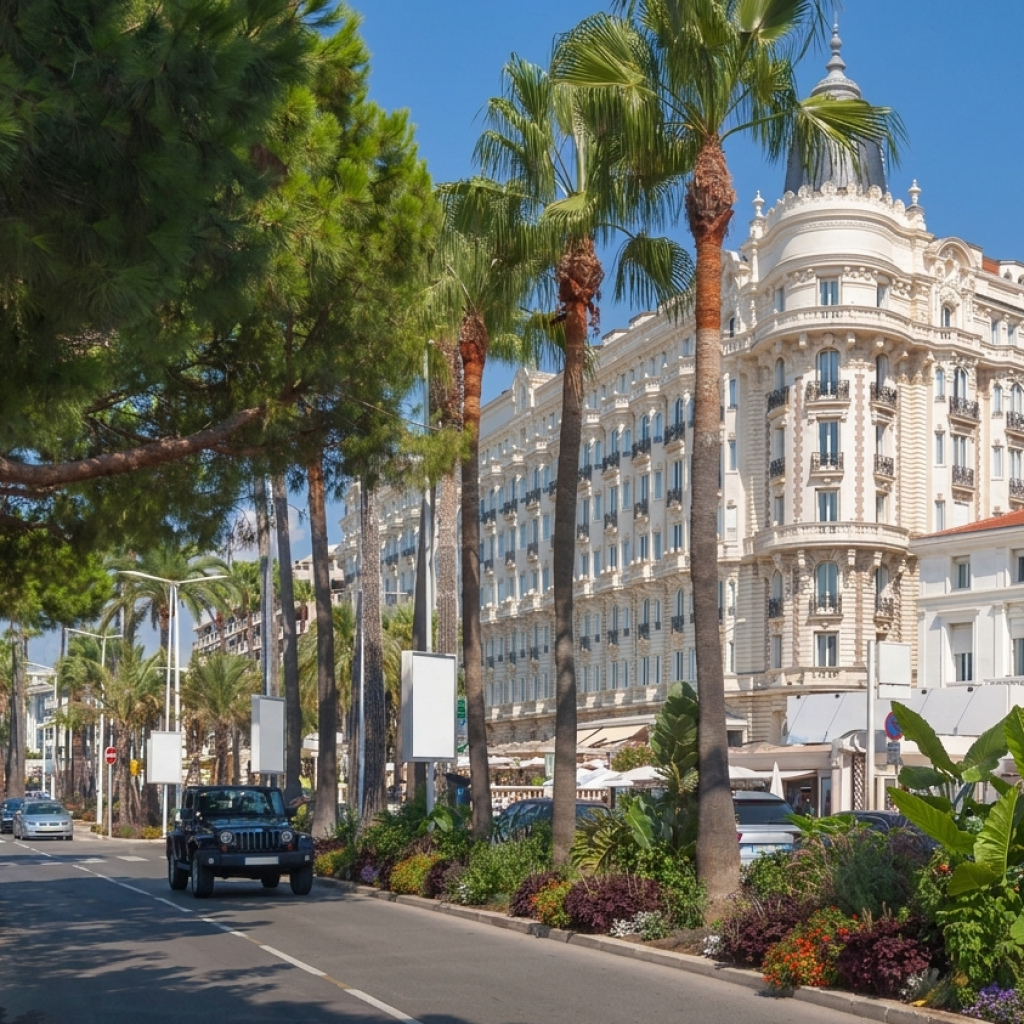
Cannes
Located along one of the most celebrated stretches of the French Riviera, Cannes has evolved from a quiet fishing settlement into one of the Mediterranean’s most internationally recognised destinations. While the city is best known for the Cannes Film Festival, its identity extends far beyond cinema. Elegant boulevards, historic districts, palm-lined promenades, golden beaches, island escapes, luxury yachts, and a year-round cultural calendar have established Cannes as one of the defining destinations of the Côte d’Azur. Unlike Nice, which functions as the Riviera’s cultural and urban heart, Cannes is centred around elegance, waterfront living, international events, and maritime culture. Visitors can explore centuries-old streets in the morning, spend the afternoon on the Mediterranean coastline, sail to nearby islands, and enjoy vibrant waterfront districts that have shaped the city’s reputation for generations.
Highlights of Cannes
La Croisette
The Boulevard de la Croisette is the city’s most iconic landmark. Stretching along the Bay of Cannes, this palm-lined promenade combines beaches, gardens, marinas, boutiques, cafés, and Mediterranean views, creating one of the Riviera’s most recognisable waterfront experiences.
Palais des Festivals et des Congrès
Home to the Cannes Film Festival, this landmark has become one of the most recognised cultural venues in the world and remains central to the city’s international identity.
Le Suquet
The oldest district in Cannes rises above the harbour and preserves the atmosphere of the city’s historic origins through narrow streets, stone buildings, viewpoints, and traditional restaurants.
Vieux Port
The historic harbour remains one of the most active and visually impressive waterfront areas on the French Riviera, particularly during major events and summer months.
Rue d’Antibes
One of the city’s principal shopping streets, lined with boutiques, cafés, galleries, and local businesses.
Marché Forville
The city’s most celebrated market offers fresh seafood, local produce, cheeses, flowers, and regional specialties that reflect the culinary traditions of Provence and the Riviera.
Bay of Cannes
The sweeping coastline that extends between the Esterel Mountains and Cap d’Antibes forms one of the Riviera’s most beautiful natural settings.
Historic Sites & Cultural Attractions
Le Suquet Historic Quarter
The medieval heart of Cannes preserves much of the city’s original character. Winding streets, stone stairways, historic buildings, and elevated viewpoints reveal a side of Cannes that predates its international fame.
Église Notre-Dame d’Espérance
Situated at the summit of Le Suquet, this historic church overlooks the city, harbour, and Mediterranean coastline.
Musée des Explorations du Monde
Located within a former medieval castle, the museum houses collections focused on world cultures, archaeology, and regional history.
Tour du Masque
One of the city’s oldest surviving structures, associated with local legends and historical intrigue.
La Malmaison
A respected cultural venue hosting contemporary art exhibitions throughout the year.
Allée des Étoiles
Often compared to Hollywood’s Walk of Fame, this area features handprints from many internationally recognised figures connected to the Cannes Film Festival.
Cannes Film Festival Heritage
Throughout the city, visitors encounter landmarks and locations connected to the world’s most prestigious film festival, which has shaped Cannes’ identity since 1946.
Beaches & Coastal Areas
Plage de la Croisette
The city’s most famous beachfront stretches alongside La Croisette and provides the quintessential Cannes coastal experience.
Plage Macé
A central public beach popular for its accessibility and views across the bay.
Plage du Midi
Located west of the city centre, this long sandy beach offers a more relaxed atmosphere and expansive coastal views.
Palm Beach
Occupying the eastern end of the Croisette peninsula, Palm Beach is known for sailing, open sea views, and waterfront leisure.
Plage Gazagnaire
A quieter section of coastline popular among local residents and visitors seeking a more peaceful beach environment.
Bijou Plage
Located near Port Canto, this beach combines clear waters with views across the Bay of Cannes.
Mouré Rouge
A scenic waterfront district that serves as one of the best departure points for island excursions and coastal activities.
Islands & Coastal Escapes
Île Sainte-Marguerite
The largest of the Lérins Islands is known for pine forests, secluded coves, walking trails, and Fort Royal, where the mysterious Man in the Iron Mask was imprisoned.
Île Saint-Honorat
Owned largely by a monastic community, the island combines vineyards, chapels, historic fortifications, and a remarkably peaceful atmosphere.
Lérins Islands
Together, the islands provide one of the Riviera’s most rewarding escapes from the mainland and showcase a completely different side of Cannes.
Esterel Coast Excursions
Boat trips toward the Esterel coastline reveal dramatic red-rock formations, hidden coves, and some of the most striking scenery on the Mediterranean.
Marinas & Waterfront Lifestyle
Vieux Port de Cannes
The historic harbour remains one of the city’s defining landmarks and serves as a focal point for maritime activity.
Port Canto
Located at the eastern end of La Croisette, Port Canto accommodates sailing vessels and recreational boats while offering easy access to nearby beaches.
La Croisette Waterfront
The entire waterfront corridor functions as the social heart of Cannes, combining promenades, cafés, public spaces, and Mediterranean views.
Bay of Cannes Sailing Culture
The calm waters surrounding Cannes have long established the city as one of the Riviera’s leading sailing and boating destinations.
Food & Local Specialties
Bouillabaisse
The classic Mediterranean fish stew remains one of the region’s most celebrated dishes.
Soupe au Pistou
A Provençal vegetable soup closely associated with southern France.
Fresh Mediterranean Seafood
Sea bass, red mullet, prawns, oysters, and seasonal catches feature prominently throughout Cannes.
Provençal Tapenade
An olive-based spread that reflects the flavours of the wider Provence region.
Socca
Although originating in Nice, this Riviera favourite is widely enjoyed throughout Cannes.
Rosé Wines of Provence
Among the most recognisable wine styles associated with the French Riviera.
Marché Forville Gastronomy
The market remains one of the best places to experience local ingredients and regional culinary traditions.
Day Trips & Nearby Destinations
Antibes
Cap d’Antibes
Nice
Saint-Paul-de-Vence
Grasse
Èze
Monaco
Saint-Tropez
Esterel Mountains
Why Visit Cannes?
Cannes is the Riviera’s centre of international prestige and events. While many visitors associate it with the Cannes Film Festival, the city’s defining characteristic is its connection to global entertainment, luxury retail, major conferences, and waterfront glamour. Unlike Saint-Tropez’s seasonal energy or Monaco’s principality status, Cannes blends an active city centre with famous boulevards, sandy beaches, and one of the Riviera’s strongest event calendars throughout the year.
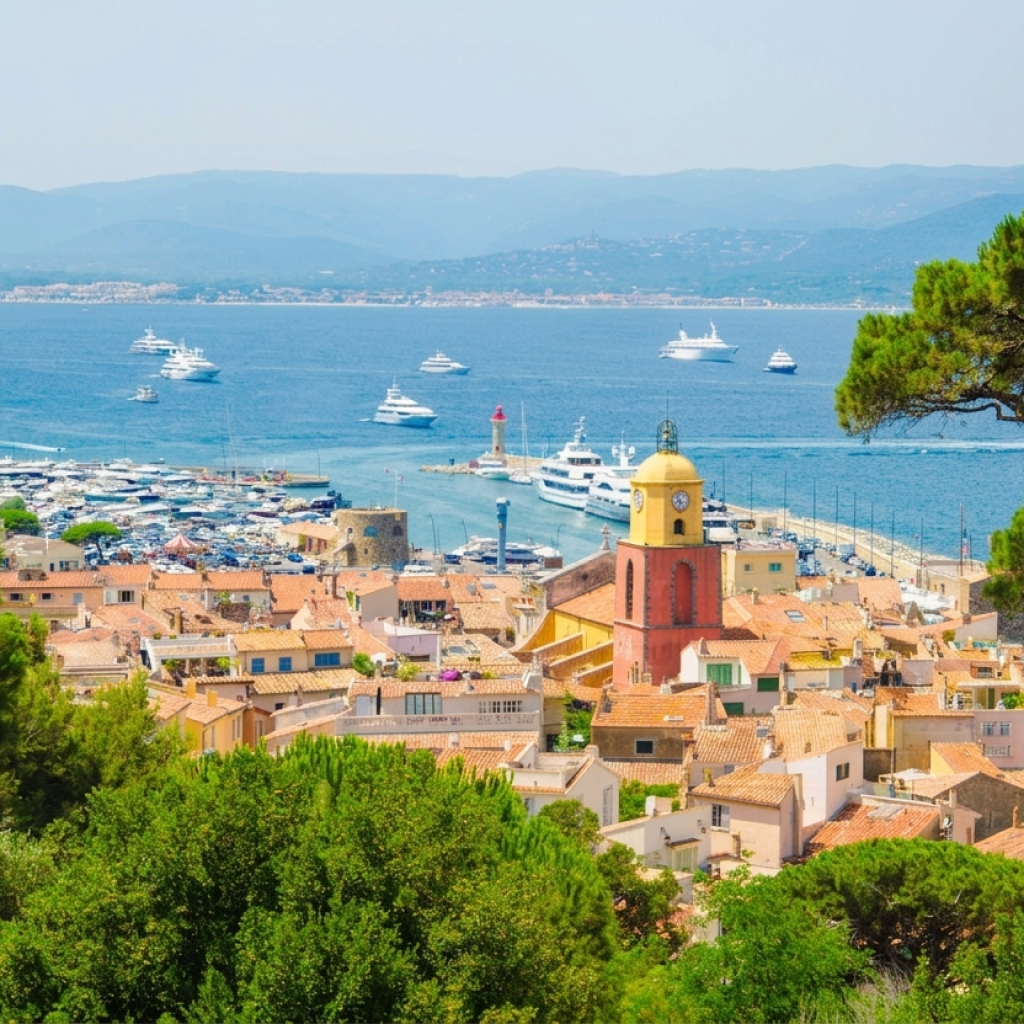
Sain Tropez
Few destinations in the world carry the same reputation as Saint-Tropez. What began as a small Provençal fishing village evolved into one of the Mediterranean’s most recognizable destinations, attracting artists, writers, musicians, yacht owners, and visitors seeking the quintessential Riviera lifestyle. Despite its global fame, Saint-Tropez remains deeply connected to its origins. Beyond the beach clubs and yachts lies a historic harbor lined with colorful facades, quiet cobbled streets, local markets, centuries-old citadels, and a strong maritime heritage. The destination combines glamour with authenticity in a way few places have managed to preserve. Today, Saint-Tropez represents far more than luxury. It offers exceptional beaches, beautiful coastal walks, world-class sailing waters, celebrated Provençal cuisine, and a distinctive atmosphere that continues to define the French Riviera.
Highlights of Saint-Tropez
Vieux Port (Old Port)
The harbor remains the heart of Saint-Tropez. Luxury yachts share the waterfront with traditional fishing boats, creating one of the Riviera’s most iconic scenes. Cafés, restaurants, boutiques, and galleries line the quayside, making it one of the most vibrant areas in town.
Pampelonne Beach
Arguably the most famous beach in France, Pampelonne stretches for nearly five kilometres along the coastline of nearby Ramatuelle. Its combination of beach clubs, open sandy sections, turquoise waters, and Mediterranean scenery has helped define the image of Saint-Tropez worldwide.
Place des Lices
This central square remains one of the most authentic parts of town. Local residents gather beneath plane trees for pétanque matches while markets, cafés, and everyday Provençal life unfold around them.
La Ponche
The oldest quarter of Saint-Tropez preserves much of the atmosphere that existed before the town became internationally famous. Narrow streets, fishermen’s houses, small squares, and hidden waterfront corners reveal a quieter side of the destination.
Citadel of Saint-Tropez
Overlooking the town from above, the citadel offers some of the finest views across the Gulf of Saint-Tropez while providing insight into the area’s maritime history.
Coastal Walking Routes
The coastline surrounding Saint-Tropez offers unique walking trails that reveal secluded coves, dramatic viewpoints, pine-covered headlands, and stretches of coastline inaccessible by road.
Provençal Markets
Traditional markets continue to play an important role in local life, showcasing regional produce, cheeses, olive oils, wines, flowers, and artisan goods.
Sailing & Yachting Heritage
The Gulf of Saint-Tropez has long been one of the Mediterranean’s most important sailing destinations. Annual regattas, historic sailing events, and prestigious yacht gatherings remain central to the town’s identity.
Historic Sites & Cultural Attractions
Citadel of Saint-Tropez
Built during the seventeenth century, the citadel dominates the skyline above the town. Defensive walls, historic fortifications, and panoramic viewpoints make it one of the region’s most important landmarks.
Maritime History Museum
Located within the citadel, the museum explores Saint-Tropez’s centuries-long connection to seafaring, trade, exploration, and fishing traditions.
La Ponche District
The historic heart of Saint-Tropez preserves the atmosphere of the original fishing village. Many of the town’s oldest buildings and streets are found within this waterfront quarter.
Église Notre-Dame-de-l’Assomption
Recognizable by its distinctive bell tower, the church has become one of Saint-Tropez’s most iconic landmarks and dominates many views across the harbor.
Tour Portalet
One of the surviving defensive towers that once protected the town from maritime attacks.
Place des Lices
Historically one of the town’s most important gathering places and still a centre of local life today.
Annonciade Museum
One of the Riviera’s most significant art museums, featuring works by artists associated with Pointillism, Fauvism, and early modern art movements.
Chapelle Sainte-Anne
Located on the hills above town, this small chapel enjoys beautiful views across Saint-Tropez and the Mediterranean.
Old Harbor Architecture
The colorful waterfront buildings surrounding the port reflect centuries of maritime history and remain among the most photographed scenes in southern France.
Historic Fishermen’s Quarter
Several streets around La Ponche continue to preserve the character and scale of the original village.
Beaches & Coastal Areas
Pampelonne Beach
The defining beach of Saint-Tropez and one of Europe’s most famous stretches of coastline. Its long sandy shoreline combines public beaches, natural sections, and some of the Riviera’s most recognized beach clubs.
Plage de Tahiti
Located at the northern end of Pampelonne, this beach helped establish Saint-Tropez’s beach culture during the twentieth century.
Plage de l’Escalet
A beautiful stretch of coastline featuring rocky coves, clear waters, and a more natural environment than many central beaches.
Plage des Salins
Known for its quieter atmosphere and scenic setting away from the busiest areas of the peninsula.
Plage de la Moutte
One of the most beautiful beaches near Saint-Tropez, surrounded by protected natural landscapes and pine forests.
Plage de la Ponche
A small historic beach located directly within the old town.
Plage des Graniers
Situated beneath the citadel, this beach combines easy access from town with a more relaxed atmosphere.
Cap Taillat
A protected peninsula featuring some of the most pristine coastal scenery in the region.
Cap Camarat
Known for dramatic cliffs, Mediterranean vegetation, and one of France’s tallest lighthouses.
Sentier du Littoral
The coastal path reveals hidden coves, rocky inlets, secluded beaches, and spectacular viewpoints along the peninsula.
Gulf of Saint-Tropez
The wider gulf provides excellent sailing conditions and forms one of the Riviera’s most important maritime landscapes.
Marinas & Waterfront Lifestyle
Vieux Port
The historic harbor remains the centre of Saint-Tropez’s social and maritime life.
Quai Jean Jaurès
The main waterfront promenade lined with cafés, galleries, restaurants, and harbor views.
Port de Saint-Tropez
One of the Mediterranean’s most famous marinas, attracting vessels from around the world.
Sailing Regattas
Events such as Les Voiles de Saint-Tropez bring together classic yachts and modern sailing vessels, reinforcing the town’s maritime reputation.
Harbor Markets
Seasonal markets and waterfront events contribute to the atmosphere of the port throughout the year.
Waterfront Dining Scene
The harbor remains one of the Riviera’s most vibrant locations for outdoor dining and people-watching.
Gulf Cruising Routes
Boat excursions throughout the gulf provide access to beaches, coves, and nearby Riviera destinations.
Sunset Harbor Atmosphere
Evenings around the port remain one of Saint-Tropez’s defining experiences as the waterfront fills with visitors and locals alike.
Food & Local Specialties
Tarte Tropézienne
The town’s most famous culinary creation. This iconic pastry combines brioche with a rich cream filling and has become synonymous with Saint-Tropez.
Bouillabaisse
The celebrated Provençal fish stew remains one of the region’s most traditional dishes.
Fresh Mediterranean Seafood
Sea bass, red mullet, octopus, prawns, sea bream, and lobster feature prominently throughout local cuisine.
Provençal Market Produce
Seasonal vegetables, herbs, olives, garlic, tomatoes, and regional fruits form the foundation of many local dishes.
Ratatouille
One of Provence’s most famous recipes, reflecting the region’s agricultural traditions.
Tapenade
A classic olive spread deeply rooted in Provençal gastronomy.
Local Rosé Wines
The vineyards surrounding Saint-Tropez produce some of the French Riviera’s most recognized rosé wines.
Aioli
A traditional garlic-based sauce commonly served alongside fish and vegetables.
Pissaladière
A Provençal specialty featuring caramelized onions, anchovies, and olives.
Mediterranean Olive Oils
Locally produced olive oils remain an essential element of regional cuisine.
Day Trips & Nearby Destinations
Ramatuelle
Gassin
Port Grimaud
Grimaud
Sainte-Maxime
Cavalaire-sur-Mer
Le Lavandou
Bormes-les-Mimosas
Porquerolles Island
Hyères
Why Visit Saint-Tropez?
Saint-Tropez remains the Riviera’s most influential beach and lifestyle destination. It is the place that helped create the image of the modern Mediterranean summer through its beach clubs, yacht culture, and social scene. While other destinations offer luxury, nowhere else on the Riviera revolves so heavily around beach life, Pampelonne Beach, open-air dining, and the seasonal rhythm of summer. Visitors come less for monuments and museums and more for the atmosphere that has made Saint-Tropez globally famous.
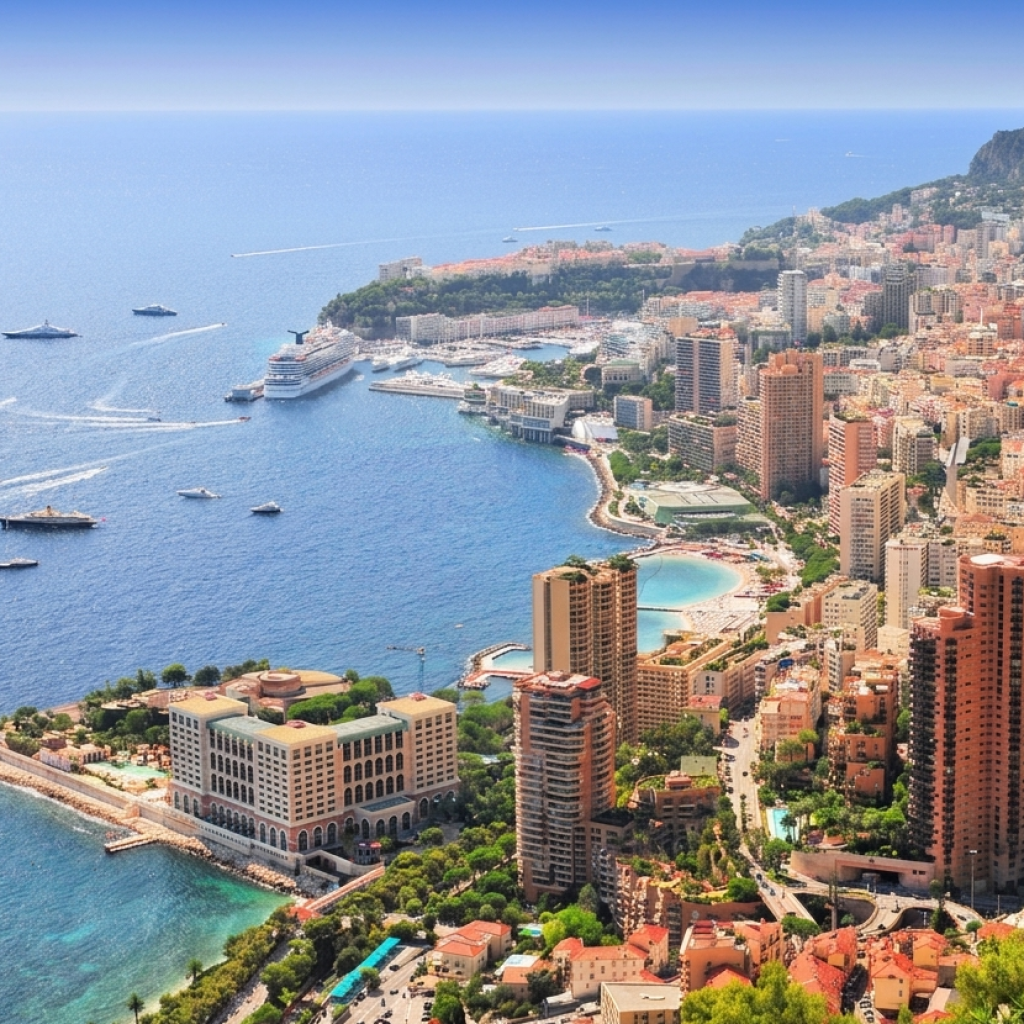
Monaco
Situated between the Mediterranean Sea and the Maritime Alps, Monaco is the second-smallest sovereign state in the world yet one of its most internationally recognised destinations. Known for its royal heritage, Formula 1 Grand Prix, legendary casinos, superyacht-filled harbours, and exceptional concentration of luxury experiences, Monaco occupies a unique position on the French Riviera. Despite covering less than three square kilometers, the principality offers exceptional diversity. Visitors can explore centuries-old historic quarters, world-renowned cultural institutions, Michelin-starred dining, landscaped gardens, luxury boutiques, and some of the most prestigious waterfront districts in Europe. While often associated with glamour and wealth, Monaco also provides panoramic coastal scenery, museums, public gardens, historic landmarks, and a rich maritime heritage that extends far beyond its reputation for luxury.
Highlights of Monaco
Formula 1 Monaco Grand Prix
Widely regarded as the most famous race in motorsport, the Monaco Grand Prix transforms the principality’s streets into one of the world’s most challenging and prestigious racing circuits. The event has become synonymous with Monaco’s international image and attracts spectators from across the globe.
Monte-Carlo
The legendary district of Monte-Carlo represents the heart of Monaco’s international reputation. Elegant boulevards, historic architecture, luxury boutiques, renowned restaurants, and iconic sites make it one of Europe’s most recognisable destinations.
Prince’s Palace of Monaco
Overlooking the Mediterranean from Monaco-Ville, the Prince’s Palace has served as the residence of the Grimaldi family for centuries and remains one of the principality’s most important sites.
Port Hercules
One of the Mediterranean’s most prestigious marinas, Port Hercules hosts some of the world’s largest yachts while serving as a focal point for major events including the Monaco Yacht Show and Formula 1 Grand Prix.
Casino de Monte-Carlo
Perhaps Monaco’s most famous building, the casino has become an international symbol of elegance, architecture, and Riviera glamour since the nineteenth century.
Monaco Yacht Show
Among the world’s most influential yachting events, the Monaco Yacht Show brings together some of the most extraordinary vessels and leading names in the global maritime industry.
Oceanographic Heritage
Monaco’s relationship with the sea extends far beyond yachting. Marine research, conservation, and exploration remain central to the principality’s identity through institutions founded by Prince Albert I.
Riviera Luxury Lifestyle
From luxury shopping and fine dining to exclusive beach clubs, marinas, and cultural events, Monaco offers one of the most refined lifestyle experiences anywhere on the Mediterranean.
Historic Sites & Cultural Attractions
Prince’s Palace of Monaco
Perched atop Le Rocher, the Prince’s Palace has served as the official residence of Monaco’s ruling family for over seven centuries. Visitors can explore the State Apartments during selected periods of the year while enjoying sweeping views across the Mediterranean.
Monaco-Ville (Le Rocher)
Often referred to as Monaco’s Old Town, Monaco-Ville preserves much of the principality’s historic character through narrow streets, traditional buildings, public squares, and historic viewpoints overlooking the coastline.
Cathedral of Our Lady Immaculate
Constructed from white stone sourced near Monaco, the cathedral serves as the final resting place of several members of the Grimaldi family, including Princess Grace and Prince Rainier III.
Fort Antoine
Originally built as a defensive structure, Fort Antoine has been transformed into an open-air theatre overlooking the Mediterranean.
Saint Martin Gardens
Located along the cliffs of Monaco-Ville, these landscaped gardens combine historic monuments, exotic vegetation, and exceptional sea views.
Place du Palais
The ceremonial square outside the Prince’s Palace hosts the daily Changing of the Guard and remains one of Monaco’s most visited public spaces.
Chapelle de la Miséricorde
A historic chapel located within Monaco-Ville that reflects the principality’s long-standing religious heritage.
Monument to Prince Albert I
Dedicated to one of Monaco’s most influential rulers, the monument celebrates Prince Albert I’s contributions to science, oceanography, and exploration.
Marinas, Waterfront & Yachting Lifestyle
Port Hercules
The centrepiece of Monaco’s maritime identity, Port Hercules accommodates some of the largest and most impressive yachts in the world while hosting major international events throughout the year.
Monaco Yacht Show
Held annually within Port Hercules, this globally renowned event represents one of the most important gatherings in the international yachting industry.
Quai des États-Unis
A scenic waterfront promenade offering close-up views of the marina, luxury yachts, and surrounding architecture.
Yacht Club de Monaco
Designed by Norman Foster, the Yacht Club has become one of the principality’s architectural landmarks and a symbol of Monaco’s global maritime influence.
Port de Fontvieille
A smaller marina offering a quieter atmosphere than Port Hercules while maintaining beautiful views across the coastline.
Formula 1 Harbour Circuit
Several sections of the Monaco Grand Prix pass directly beside Port Hercules, creating one of the most recognisable sporting settings in the world.
Waterfront Dining Districts
Numerous waterfront restaurants and cafés line Monaco’s harbours, combining Mediterranean cuisine with views of yachts and the coastline.
Mediterranean Promenades
Walking routes around the ports and coastline provide some of the finest opportunities to experience Monaco’s maritime atmosphere.
Gardens, Scenic Areas & Coastal Attractions
Jardin Exotique de Monaco
One of Monaco’s most recognised attractions, featuring thousands of succulent species and elevated viewpoints overlooking the entire principality and coastline.
Japanese Garden
Created according to traditional Japanese design principles, this peaceful waterfront garden offers a tranquil contrast to Monaco’s urban environment.
Princess Grace Rose Garden
Located within Fontvieille, the garden contains hundreds of rose varieties dedicated to the memory of Princess Grace.
Saint Martin Gardens
Among the oldest public gardens in Monaco, combining Mediterranean vegetation with panoramic coastal scenery.
Larvotto Beach
Monaco’s principal beach offers a rare opportunity to enjoy the Mediterranean coastline within the heart of the principality.
Larvotto Promenade
Recently redeveloped, the waterfront promenade provides elegant public spaces overlooking the sea.
Tête de Chien Viewpoint
Although technically located just beyond Monaco’s borders, this elevated viewpoint offers one of the most spectacular panoramas of the principality and Riviera coastline.
Coastal Walks
Several scenic routes connect Monaco’s districts while providing exceptional views of the Mediterranean and surrounding Riviera landscapes.
Museums & Culture
Oceanographic Museum of Monaco
Founded by Prince Albert I in 1910, this world-renowned institution combines marine science, conservation, aquariums, and ocean exploration within one of Monaco’s most spectacular buildings.
Collection of HSH the Prince of Monaco’s Vintage Cars
Featuring historic vehicles collected by Prince Rainier III, the museum showcases automotive history ranging from classic European models to Formula 1 machinery.
New National Museum of Monaco
Hosting rotating exhibitions focused on contemporary art, design, and cultural heritage.
Monaco Naval Museum
Dedicated to maritime history through model ships, naval artefacts, and historical displays.
Opéra de Monte-Carlo
Located within the Casino de Monte-Carlo complex, the opera house remains one of Europe’s most elegant performance venues.
Grimaldi Forum
Monaco’s principal cultural and events venue, hosting exhibitions, concerts, conferences, and international cultural programmes.
Salle Garnier
A masterpiece of Belle Époque architecture designed by Charles Garnier, also responsible for the Paris Opera.
Contemporary Art Installations
Public sculptures and artworks can be found throughout Monaco’s districts, reflecting the principality’s ongoing investment in culture and public spaces.
Food & Local Specialties
Barbajuan
Monaco’s national dish consists of crisp pastry filled with Swiss chard, ricotta, herbs, and vegetables.
Socca
This chickpea pancake, shared with neighbouring Nice, remains popular throughout Monaco and the French Riviera.
Stocafi
A traditional Monegasque dish prepared using dried cod in a rich tomato-based sauce.
Fougasse Monégasque
A sweet bread flavoured with orange blossom, almonds, and dried fruits.
Pissaladière
An onion tart topped with anchovies and olives that reflects the culinary heritage shared across the Riviera.
Fresh Mediterranean Seafood
Sea bass, red mullet, lobster, prawns, and seasonal seafood feature prominently throughout Monaco’s dining scene.
Riviera Pastries & Desserts
Many local bakeries preserve traditional recipes influenced by both French and Italian culinary traditions.
Mediterranean Cuisine
Monaco’s position between France and Italy has created a unique culinary identity combining elements from both traditions.
Day Trips & Nearby Destinations
Èze
Cap d’Ail
Menton
Saint-Jean-Cap-Ferrat
Villefranche-sur-Mer
Nice
La Turbie
Roquebrune-Cap-Martin
Why Visit Monaco?
Monaco offers something that no other Riviera destination can replicate: the experience of visiting an independent sovereign state built around luxury, prestige, finance, motorsport, and royal heritage. Within just a few square kilometres, visitors encounter the Formula 1 Grand Prix circuit, the Prince’s Palace, Monte Carlo Casino, luxury boutiques, and one of the highest concentrations of wealth in the world. Monaco is not simply a destination on the Rivierait operates as a destination entirely of its own.
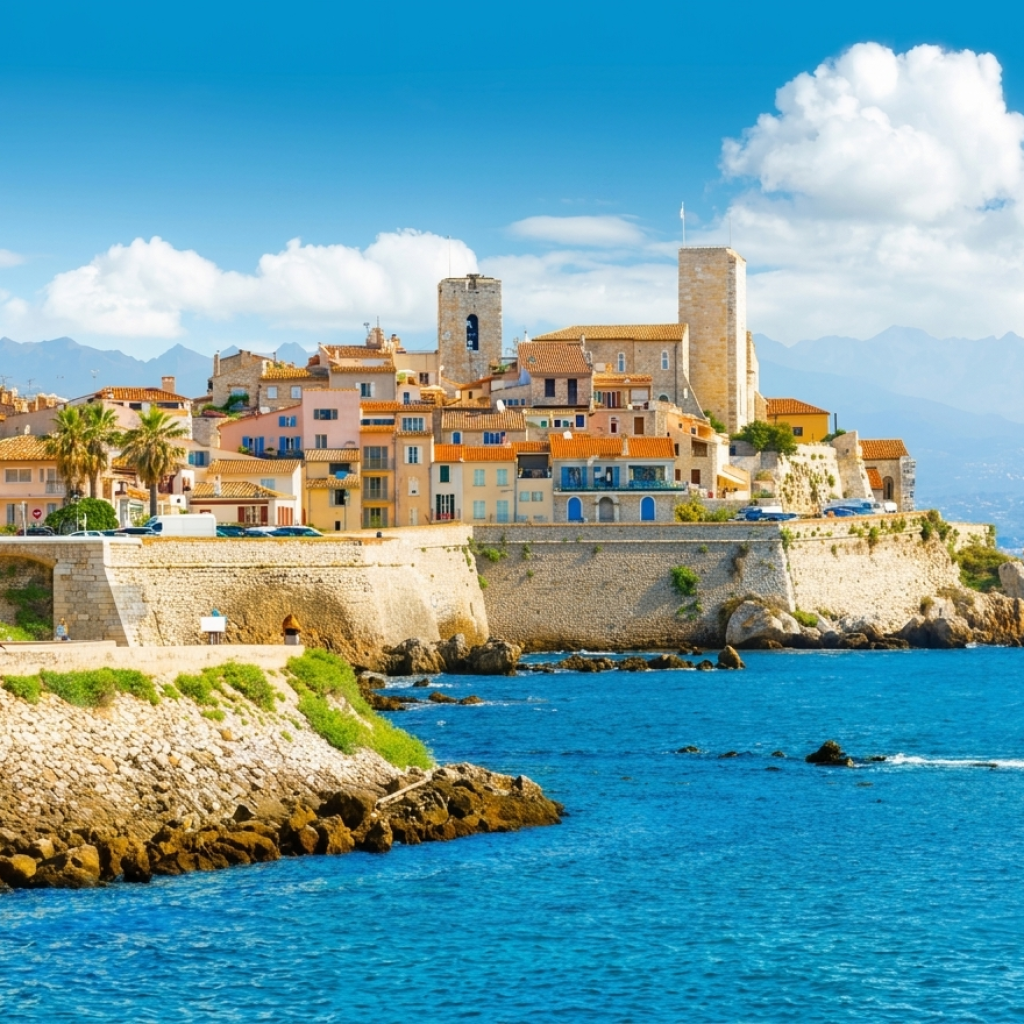
Antibes
Situated between Nice and Cannes, Antibes is one of the French Riviera’s oldest and most captivating coastal destinations. Founded by the ancient Greeks over 2,000 years ago, the town combines a preserved historic centre with Mediterranean beaches, cultural landmarks, traditional markets, and a maritime heritage that remains deeply woven into daily life. Unlike some of the Riviera’s more glamorous destinations, Antibes offers a balance between authenticity and sophistication. Visitors can wander through centuries-old stone streets, discover hidden squares filled with cafés and artisan shops, explore museums housed within historic fortifications, relax on sandy beaches, or admire some of the world’s largest yachts moored within Port Vauban. The town also serves as the gateway to the famous Cap d’Antibes peninsula, one of the Riviera’s most exclusive coastal landscapes. Together, Antibes and Cap d’Antibes provide one of the most complete Mediterranean experiences on the Côte d’Azur, combining culture, history, beaches, gastronomy, sailing, and natural beauty within a setting that feels distinctly local despite its international appeal.
Highlights of Antibes
Historic Walled Old Town
The heart of Antibes remains enclosed by centuries-old ramparts overlooking the Mediterranean. Narrow cobbled streets, flower-filled balconies, hidden courtyards, and lively squares create one of the Riviera’s most atmospheric historic centres.
Port Vauban
Europe’s largest leisure marina and one of the most prestigious yacht harbours in the Mediterranean. The marina combines traditional sailing heritage with some of the largest private yachts in the world.
Picasso Heritage
Antibes occupies a special place in the story of Pablo Picasso, who lived and worked here in 1946. His influence remains visible throughout the town, particularly within the Picasso Museum.
Mediterranean Markets
Traditional Provençal markets continue to play a central role in local life, offering fresh produce, cheeses, seafood, olive oils, flowers, and regional specialities.
Coastal Walking Routes
The coastline surrounding Antibes provides some of the Riviera’s most scenic walking opportunities, combining sea views, historic fortifications, rocky coves, and hidden beaches.
Sailing & Maritime Culture
For centuries Antibes has maintained strong connections to the Mediterranean. Today the town remains one of France’s most important centres for sailing, yachting, and maritime activity.
Provençal Atmosphere
Despite its international popularity, Antibes retains a strong local identity rooted in Provençal traditions, markets, gastronomy, and community life.
Historic Sites & Cultural Attractions
Vieil Antibes (Old Town)
The historic centre represents the soul of Antibes. Ancient stone streets weave through a network of plazas, cafés, boutiques, artisan workshops, and historic buildings that reveal layers of Greek, Roman, and medieval history.
Fort Carré
Built during the sixteenth century on a rocky peninsula overlooking the sea, Fort Carré served as a strategic military fortress protecting the coastline. Today it offers panoramic views across Antibes, the marina, and the Mediterranean.
Ramparts of Antibes
The historic defensive walls remain among the town’s most iconic landmarks. Walking along the ramparts provides exceptional views of both the old town and the coastline.
Château Grimaldi
Originally constructed as a medieval fortress, Château Grimaldi later became the residence and studio of Pablo Picasso. Today it houses the internationally renowned Picasso Museum.
Antibes Cathedral
Overlooking the sea within the old town, the cathedral reflects centuries of architectural evolution and remains one of the town’s most important religious landmarks.
Chapelle Saint-Bernardin
A beautifully preserved Gothic chapel that offers insight into Antibes’ religious and cultural history.
Place Nationale
One of the town’s most charming public squares, surrounded by cafés, restaurants, and historic façades that reflect traditional Provençal architecture.
Porte Marine
A historic gateway connecting the old town to the harbour and waterfront areas.
Bastion Saint-André
Part of the town’s historic fortifications and an important reminder of Antibes’ strategic position along the Mediterranean coast.
Beaches & Coastal Areas
Plage de la Gravette
Located beside the old town walls, this sheltered sandy beach is among the most popular in Antibes due to its calm waters and central location.
Plage du Ponteil
A family-friendly beach offering clear waters and beautiful views toward Cap d’Antibes and the Alps.
Plage de la Salis
One of the largest beaches in Antibes, known for its golden sand and excellent views of the historic skyline.
Plage de l’Ilette
A smaller beach with a quieter atmosphere situated along the road leading toward Cap d’Antibes.
Plage de la Garoupe
One of the Riviera’s most famous beaches, combining crystal-clear waters with a beautiful natural setting on Cap d’Antibes.
Plage des Ondes
A picturesque beach popular among locals and visitors seeking a more relaxed environment.
Anse de l’Argent Faux
A scenic rocky cove known for clear waters and excellent swimming conditions.
Baie des Milliardaires
Among the most beautiful hidden coves on the Riviera, accessible via coastal walking routes around Cap d’Antibes.
Mediterranean Coastal Paths
The shoreline surrounding Antibes provides endless opportunities to discover hidden coves, rocky viewpoints, and quieter swimming areas.
Museums & Culture
Picasso Museum
One of the Riviera’s most important museums, dedicated to the period Pablo Picasso spent living and creating in Antibes. The collection includes paintings, drawings, ceramics, and sculptures.
Archaeology Museum of Antibes
Located within the Bastion Saint-André, the museum explores the town’s ancient Greek and Roman heritage.
Peynet Museum
Dedicated to the works of French illustrator Raymond Peynet, whose romantic drawings became internationally recognised.
Nomade Sculpture
A striking contemporary sculpture overlooking the sea that has become one of Antibes’ most photographed landmarks.
Cultural Festivals
Throughout the year Antibes hosts music festivals, art exhibitions, maritime celebrations, and cultural events that reflect the town’s creative spirit.
Jazz à Juan Festival
Held nearby in Juan-les-Pins, this world-famous festival has welcomed legendary musicians since 1960 and remains one of Europe’s most respected jazz events.
Provençal Traditions
Local festivals, markets, and cultural celebrations continue to preserve many of the traditions associated with the wider Provence region.
Markets & Local Life
Marché Provençal
The most famous market in Antibes and one of the finest on the French Riviera. Vendors sell seasonal produce, local cheeses, fresh herbs, olives, seafood, flowers, and artisanal products.
Cours Masséna
The lively heart of the old town where markets, cafés, restaurants, and local life converge throughout the year.
Artisan Boutiques
Numerous independent shops showcase ceramics, artwork, textiles, perfumes, and handmade goods inspired by Provence and the Mediterranean.
Local Squares & Cafés
Part of Antibes’ charm comes from its slower pace, where daily life unfolds across shaded plazas and waterfront terraces.
Evening Promenades
As the day cools, locals and visitors gather along the ramparts and waterfront to enjoy sunset views across the Mediterranean.
Food & Local Specialties
Bouillabaisse
The famous Provençal fish stew remains one of the region’s most celebrated dishes and is widely served throughout Antibes.
Soupe au Pistou
A traditional Provençal vegetable soup flavoured with basil, olive oil, and garlic.
Socca
A chickpea flatbread originating from neighbouring Nice but enjoyed throughout the Riviera.
Pissaladière
A savoury tart topped with caramelised onions, anchovies, and olives that reflects the culinary traditions of Provence.
Fresh Mediterranean Seafood
Sea bass, red mullet, sea bream, octopus, mussels, and prawns feature prominently across local menus.
Provençal Olive Oils
Produced throughout the surrounding countryside, olive oil remains central to regional gastronomy.
Rosé Wines of Provence
The vineyards of Provence have helped establish the region as one of the world’s leading rosé wine destinations.
Local Market Cuisine
Many of Antibes’ best dining experiences are inspired by ingredients sourced directly from the Marché Provençal.
Day Trips & Nearby Destinations
Cap d’Antibes
Juan-les-Pins
Cannes
Nice
Saint-Paul-de-Vence
Èze
Grasse
Monaco
Why Visit Antibes?
Antibes offers perhaps the best balance between authenticity and Riviera living. Unlike Cannes, Monaco, or Saint-Tropez, it never feels dominated by glamour or tourism, yet it still provides beaches, culture, marinas, historic architecture, and excellent dining. Its combination of a preserved walled old town, Picasso heritage, local markets, and Port Vauban creates a Riviera experience that feels both sophisticated and genuinely lived-in.
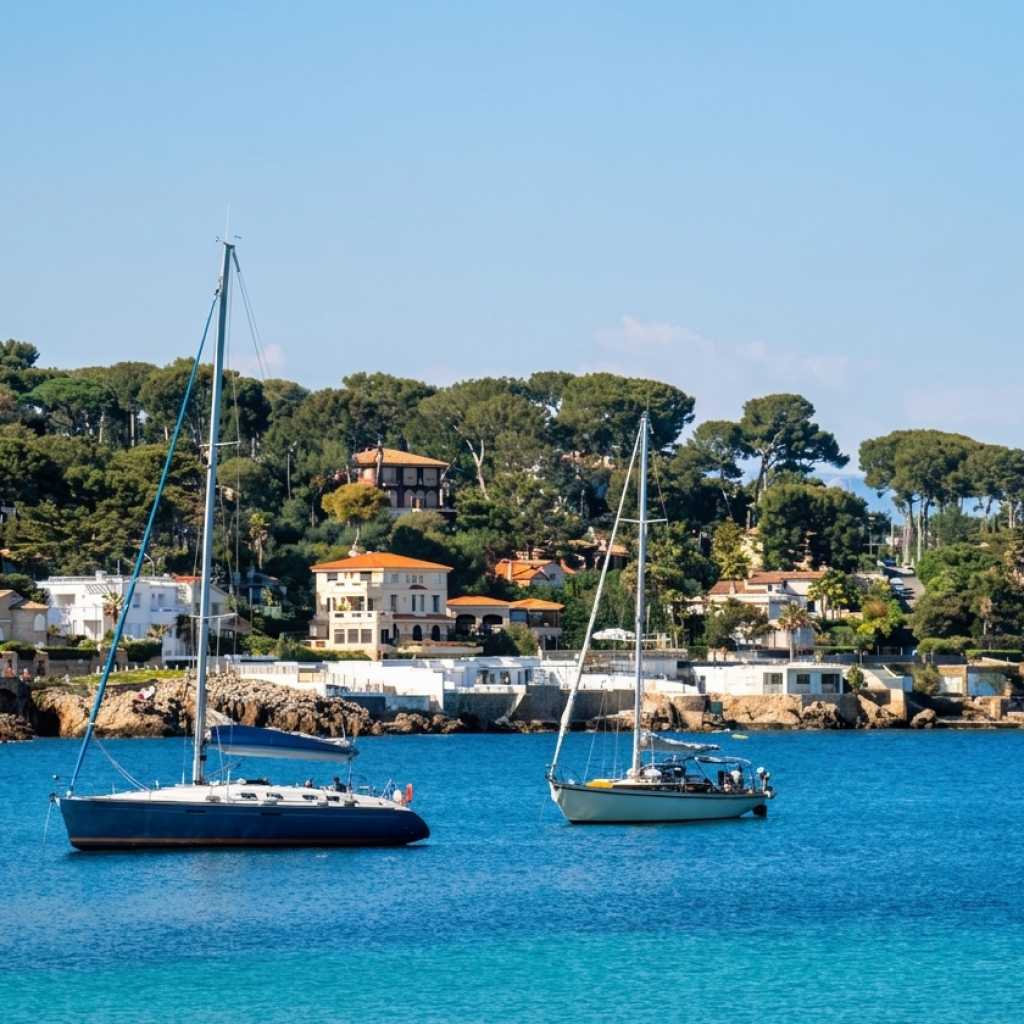
Cap d’Antibes
Situated on a forested peninsula between Antibes and Juan-les-Pins, Cap d’Antibes represents one of the most exclusive and beautiful stretches of coastline anywhere on the French Riviera. Unlike the lively promenades of Nice, the glamour of Cannes, or the historic streets of Antibes, Cap d’Antibes offers a quieter and more refined Mediterranean experience defined by pine-covered headlands, hidden coves, legendary villas, coastal walking paths, and some of the most spectacular sea views on the Côte d’Azur. For more than a century, artists, aristocrats, writers, royalty, and international travellers have been drawn to the peninsula’s natural beauty and privacy. Its winding roads disappear beneath umbrella pines and cypress trees, revealing secluded beaches, historic estates, and panoramic viewpoints overlooking the Mediterranean.
Highlights of Cap D’Antibes
Legendary Riviera Peninsula
Cap d’Antibes is widely regarded as one of the most prestigious peninsulas in Europe, celebrated for its coastline, private estates, and Mediterranean landscapes.
Coastal Walking Trails
The peninsula contains some of the most spectacular seaside walking routes on the French Riviera, offering uninterrupted views of cliffs, coves, and open sea.
Hidden Beaches & Coves
Unlike many Riviera destinations dominated by larger urban beaches, Cap d’Antibes is known for intimate coves and secluded swimming spots.
Historic Villas & Estates
Some of the Riviera’s most famous private residences are located throughout the peninsula, reflecting more than a century of architectural and cultural history.
Mediterranean Nature
Pine forests, rocky headlands, exotic vegetation, and crystal-clear waters create one of the region’s most attractive natural environments.
Riviera Elegance
Cap d’Antibes has long represented the quieter and more refined side of Riviera living, where privacy and scenery take precedence over nightlife and crowds.
Historic Sites & Cultural Attractions
Villa Eilenroc
One of the peninsula’s most celebrated historic residences, Villa Eilenroc was built during the Belle Époque and remains surrounded by magnificent gardens overlooking the sea. The estate provides valuable insight into the Riviera’s golden age.
Eilenroc Gardens
The landscaped gardens surrounding the villa feature Mediterranean plants, rose gardens, olive groves, and panoramic coastal views.
Chapelle de la Garoupe
Perched on one of the highest points of the peninsula, this historic chapel has welcomed sailors and pilgrims for centuries and remains one of Cap d’Antibes’ most important cultural landmarks.
Sanctuary of Notre-Dame de Bon Port
Closely linked to the maritime traditions of the region, the sanctuary reflects the long relationship between local communities and the Mediterranean.
Lighthouse of La Garoupe
The lighthouse stands as one of the peninsula’s defining landmarks and provides exceptional views across the coastline.
Belle Époque Heritage
Throughout the peninsula, visitors encounter architecture associated with the Riviera’s late nineteenth and early twentieth-century golden age.
Literary & Artistic Legacy
Writers, painters, musicians, and artists have long found inspiration in Cap d’Antibes, contributing to its enduring cultural reputation.
Beaches, Coves & Coastal Areas
Plage de la Garoupe
Perhaps the most famous beach on Cap d’Antibes, Garoupe combines turquoise waters, soft sand, and a sheltered setting surrounded by Mediterranean vegetation.
Plage des Ondes
A charming beach popular among both locals and visitors seeking a quieter atmosphere than many Riviera resort beaches.
Baie des Milliardaires
One of the most beautiful coves on the peninsula, known for clear waters, rocky scenery, and exceptional natural surroundings.
Anse de l’Argent Faux
A secluded coastal inlet offering calm swimming conditions and dramatic Mediterranean scenery.
Plage Keller Area
A picturesque section of coastline associated with some of the peninsula’s most iconic beach settings.
Rocky Swimming Platforms
Many visitors prefer the natural rocky sections of coastline that provide direct access to the sea and crystal-clear waters.
Mediterranean Snorkelling Areas
The peninsula’s exceptionally clear waters make it one of the Riviera’s most attractive destinations for swimming and snorkelling.
Hidden Coastal Access Points
Numerous pathways lead to small coves and lesser-known swimming areas rarely found elsewhere on the Côte d’Azur.
Coastal Walks & Scenic Landscapes
Sentier du Littoral (Tirepoil Path)
One of the most spectacular coastal walks on the French Riviera. The trail follows the edge of the peninsula, weaving between cliffs, rocky headlands, hidden coves, and panoramic viewpoints.
Cap d’Antibes Coastal Circuit
A longer route that showcases the peninsula’s diverse landscapes while offering constant Mediterranean views.
Pointe de l’Ilette
A scenic area connecting Antibes with the peninsula and providing beautiful coastal perspectives.
Pointe Bacon
Known for dramatic sea views and picturesque rocky formations.
La Garoupe Viewpoints
Several elevated viewpoints near the chapel and lighthouse reveal sweeping panoramas across the Mediterranean.
Alpine & Mediterranean Vistas
On clear days, visitors can see from the Italian coastline to the Esterel Mountains beyond Cannes.
Sunset Viewing Locations
The peninsula offers some of the finest sunset viewpoints on the entire Riviera.
Maritime Heritage & Riviera Lifestyle
Traditional Mediterranean Sailing
Cap d’Antibes has long maintained strong connections to sailing and maritime culture.
Scenic Anchorages
The waters surrounding the peninsula are popular among private yachts and sailing vessels throughout the summer season.
Riviera Coastal Cruising
The peninsula forms part of one of the Mediterranean’s most celebrated boating routes.
Waterfront Dining Culture
Many of the peninsula’s most memorable experiences revolve around long Mediterranean lunches overlooking the sea.
Seaside Living
Unlike destinations focused on nightlife or major events, Cap d’Antibes is defined by a slower, more relaxed coastal lifestyle.
Riviera Privacy
For decades the peninsula has attracted visitors seeking discretion, tranquillity, and natural beauty.
Food & Local Specialties
Fresh Mediterranean Seafood
Sea bass, red mullet, sea bream, lobster, prawns, and octopus remain central to local cuisine.
Provençal Cuisine
Traditional dishes reflect the culinary heritage of Provence through olive oil, herbs, vegetables, and seasonal ingredients.
Bouillabaisse
The famous Provençal seafood stew continues to be enjoyed throughout the region.
Pissaladière
A classic Riviera speciality combining onions, anchovies, and olives.
Local Olive Oils
Produced throughout Provence and widely used across the peninsula’s dining scene.
Rosé Wines of Provence
Cap d’Antibes sits within one of the world’s most famous rosé-producing regions.
Mediterranean Market Produce
Seasonal fruits, vegetables, herbs, cheeses, and seafood continue to shape local gastronomy.
Day Trips & Nearby Destinations
Antibes
Juan-les-Pins
Cannes
Nice
Saint-Paul-de-Vence
Èze
Monaco
Grasse
Why Visit Cap d’Antibes?
Cap d’Antibes is defined by privacy, nature, and exclusivity rather than attractions. Visitors are drawn to its coastal walking paths, hidden coves, pine-covered landscapes, and some of the Riviera’s most valuable private estates. Unlike neighbouring destinations built around town centres and promenades, Cap d’Antibes feels secluded and residential. It is one of the few places on the Côte d’Azur where the natural beauty of the coastline remains the primary attraction.
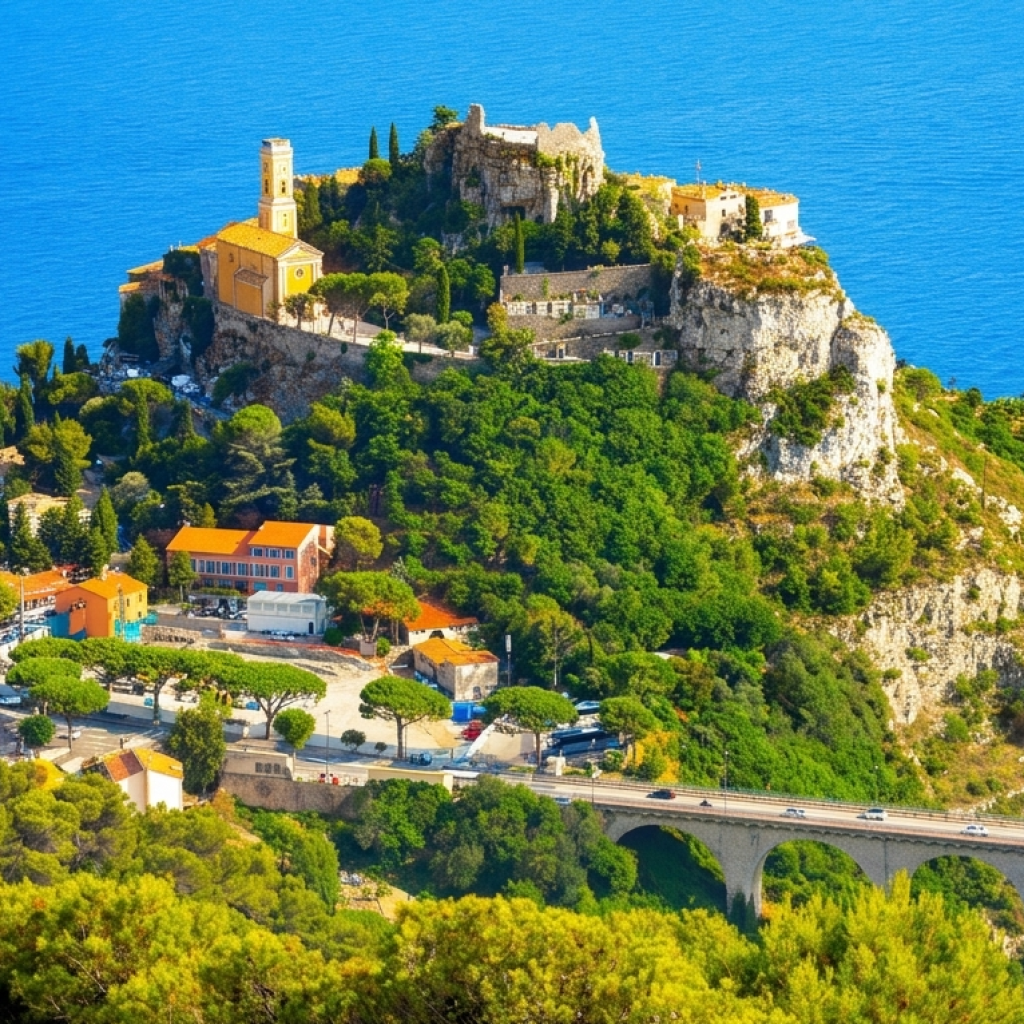
Èze
Perched more than 400 meters above the Mediterranean Sea between Nice and Monaco, Èze is one of the most spectacular villages on the French Riviera. Rising dramatically from the mountainside, the medieval settlement appears almost suspended between the sea and sky, offering some of the most breathtaking panoramic views anywhere along the Côte d’Azur. Unlike the bustling coastal cities below, Èze offers a slower and more atmospheric experience. Stone passageways wind through centuries-old buildings, flowering terraces overlook the Mediterranean, and hidden courtyards reveal artisan boutiques, galleries, and cafés tucked within the ancient village walls. Every corner feels shaped by history, while the surrounding scenery constantly reminds visitors of the village’s unique position above the coast.
Highlights of Èze
Medieval Hilltop Village
The historic village is among the best-preserved medieval settlements on the French Riviera, with narrow stone streets, vaulted passageways, and centuries-old architecture.
Panoramic Mediterranean Views
Few destinations on the Côte d’Azur offer views comparable to Èze. From many parts of the village, visitors can see the coastline stretching from Cap Ferrat toward Italy.
Jardin Exotique d’Èze
Perched at the village’s highest point, the exotic garden combines rare plant collections with extraordinary panoramic viewpoints.
Perfume Heritage
Èze is closely connected to the perfume industry of the French Riviera and nearby Grasse, with historic perfume houses attracting visitors from around the world.
Artistic Atmosphere
The village has long attracted artists, photographers, writers, and creatives inspired by its scenery and unique setting.
Romantic Riviera Escape
Its elevated position, peaceful atmosphere, and spectacular sunsets have helped establish Èze as one of the most romantic destinations in Southern France.
Historic Stone Architecture
Every street reflects centuries of architectural history, creating one of the Riviera’s most authentic historic environments.
Historic Sites & Cultural Attractions
Vieil Èze (Old Village)
The heart of Èze remains largely unchanged from medieval times. Narrow alleyways, stone archways, ancient staircases, and traditional buildings create an immersive historic atmosphere throughout the village.
Church of Notre-Dame de l’Assomption
Dating largely from the eighteenth century, the church stands prominently within the village and is recognised for its elegant façade and distinctive ochre-coloured bell tower.
Medieval Passageways
Throughout the village, historic stone passages and vaulted corridors reveal the defensive nature of the original settlement.
Ancient Village Gates
Several remnants of the original fortifications remain visible, reflecting the strategic importance of the village throughout history.
Chapel of the Holy Cross
One of Èze’s oldest religious landmarks, preserving aspects of the village’s spiritual heritage.
Historic Stone Houses
Many buildings throughout the village date back several centuries and retain their original architectural character.
Artisan Workshops
Traditional workshops and galleries continue a long history of craftsmanship associated with the village.
Cultural Heritage Streets
The entire village functions almost as an open-air museum, where architecture and history are integrated into everyday life.
Gardens, Scenic Areas & Panoramic Viewpoints
Jardin Exotique d’Èze
The village’s most famous attraction occupies the site of a former medieval fortress at the highest point of the hill. Thousands of cacti, succulents, and exotic plants are displayed against one of the Riviera’s most dramatic panoramic backdrops.
Ruins of the Medieval Castle
The remains of the original fortress provide insight into the strategic importance of Èze while offering unrivalled views of the Mediterranean.
Panorama Terrace
One of the finest viewpoints on the French Riviera, overlooking Cap Ferrat, the coastline, and the open Mediterranean.
Mediterranean Observation Points
Numerous terraces throughout the village reveal different perspectives of the surrounding landscape.
Sunset Viewpoints
Èze is widely regarded as one of the best locations on the Riviera for sunset viewing, particularly during spring and summer.
Cliffside Viewing Platforms
Several elevated areas provide dramatic perspectives directly above the coastline below.
Alpine-Mediterranean Landscapes
The village uniquely combines mountain scenery with coastal views, creating a landscape rarely found elsewhere on the Riviera.
Nature & Walking Trails
Nietzsche Path (Chemin de Nietzsche)
One of the Riviera’s most famous walking routes, connecting Èze-sur-Mer with the hilltop village above. The trail is named after philosopher Friedrich Nietzsche, who is said to have found inspiration here while writing Thus Spoke Zarathustra.
Grande Corniche Viewpoints
The historic road above Èze offers spectacular viewpoints overlooking much of the French Riviera.
Mediterranean Hillsides
The slopes surrounding the village contain native vegetation, wildflowers, and traditional terraced landscapes.
Coastal-to-Mountain Routes
Several walking paths connect the coastline with elevated viewpoints and surrounding villages.
Natural Limestone Landscapes
The region’s distinctive geology contributes significantly to the dramatic appearance of the surrounding scenery.
Riviera Hiking Trails
Èze serves as an excellent starting point for exploring some of the Riviera’s most scenic inland walking routes.
Perfume Heritage
Fragonard Perfume Factory
One of the Riviera’s most visited perfume attractions, offering insight into traditional fragrance production and the region’s perfume-making heritage.
French Perfumery Traditions
Èze remains closely linked to the wider perfume culture of nearby Grasse, the world’s historic perfume capital.
Botanical Ingredients
Many of the flowers and plants associated with French perfumery are cultivated throughout Provence and the surrounding countryside.
Fragrance Workshops
Visitors can learn about perfume creation, ingredients, and traditional production methods.
Artisan Perfume Culture
The village continues to celebrate fragrance as one of the region’s most distinctive cultural traditions.
Food & Local Specialties
Provençal Cuisine
Traditional Mediterranean dishes featuring olive oil, herbs, vegetables, and seasonal ingredients remain central to local gastronomy.
Pissaladière
A classic Riviera speciality made with onions, anchovies, and olives.
Socca
The famous chickpea flatbread enjoyed throughout Nice and the surrounding Riviera region.
Mediterranean Seafood
Fresh fish and seafood from the nearby coast feature prominently across local menus.
Provençal Olive Oils
Produced throughout the region and fundamental to many traditional recipes.
Lavender & Floral Specialties
Many local products reflect Provence’s historic connection to aromatic plants and flowers.
Rosé Wines of Provence
The surrounding region produces some of the world’s most recognised rosé wines.
Artisan Confectionery
Local shops often feature handmade sweets, chocolates, preserves, and regional delicacies.
Day Trips & Nearby Destinations
Monaco
Nice
Saint-Jean-Cap-Ferrat
Villefranche-sur-Mer
Menton
Cap d’Ail
La Turbie
Grasse
Why Visit Èze?
Èze offers a perspective of the French Riviera that no coastal destination can provide. Perched high above the Mediterranean, it combines medieval architecture, dramatic cliffside views, and centuries of history within a remarkably preserved hilltop village. Visitors come not for beaches or nightlife but for one of the most spectacular viewpoints anywhere on the Riviera, along with its unique connection to French perfume-making and artisan culture.
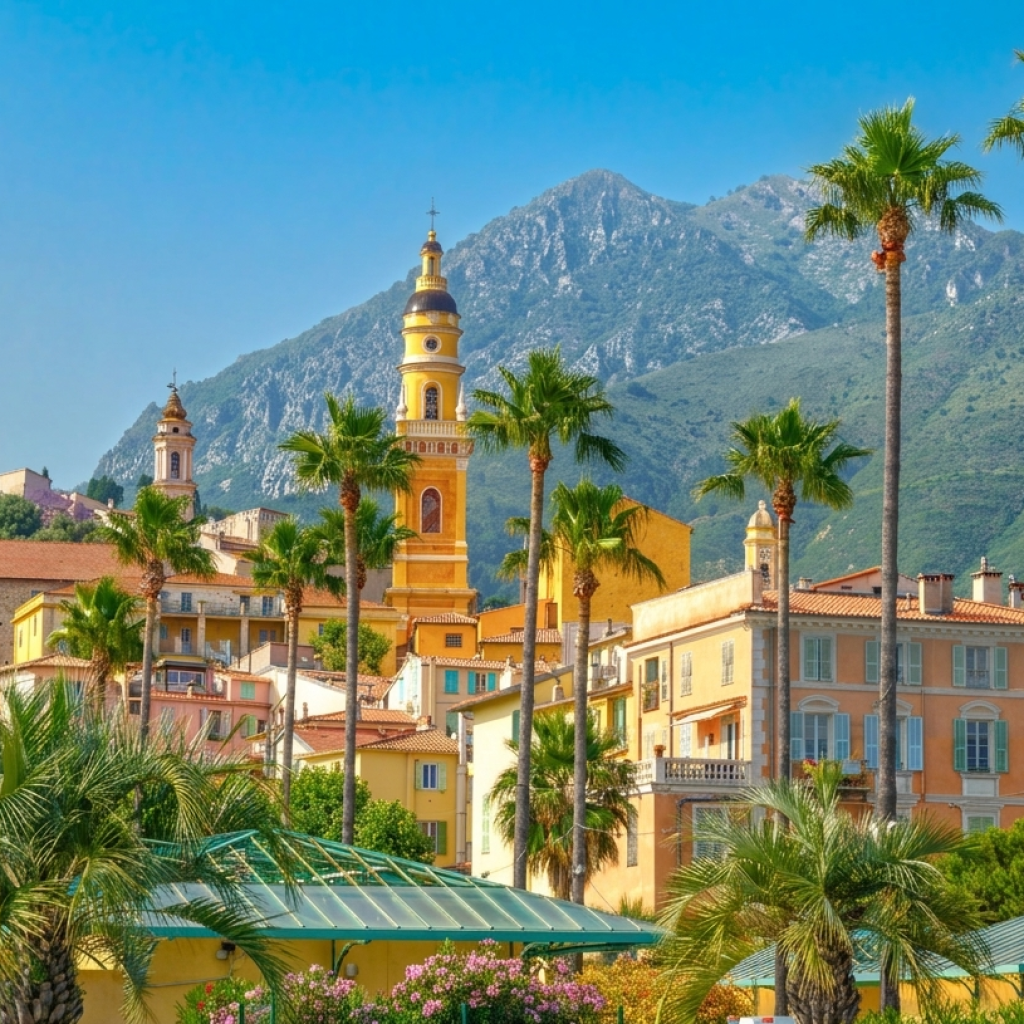
Menton
Positioned at the eastern edge of the French Riviera beside the Italian border, Menton offers a distinctly different Riviera experience from destinations such as Cannes, Saint-Tropez, or Monaco. the town is known for its colorful waterfront, subtropical gardens, citrus heritage, Belle Époque architecture, and a noticeably slower pace of life. Thanks to its unique microclimate, Menton enjoys some of the mildest weather in France, allowing exotic plants, palm trees, and citrus groves to flourish throughout the year. The result is a destination where French Riviera elegance blends naturally with Italian influences, creating an atmosphere unlike anywhere else along the Côte d’Azur. While glamorous marinas and luxury resorts dominate much of the western Riviera, Menton’s appeal lies in its authenticity. Visitors come for the historic old town, waterfront promenades, botanical gardens, local markets, relaxed beaches, exceptional cuisine, and the feeling of discovering one of the Riviera’s most charming coastal communities.
Highlights of Menton
Colorful Old Town (Vieille Ville)
Menton’s historic old town rises dramatically above the Mediterranean in a cascade of pastel-colored buildings, narrow lanes, stairways, and hidden squares. Unlike many Riviera towns that have undergone extensive modernization, the historic centre retains much of its original character. Walking through the old town feels closer to exploring Liguria than the more polished resort districts of western Côte d’Azur destinations. The combination of ochre facades, terracotta roofs, flower-covered balconies, and sea views has made the area one of the most photographed locations on the French Riviera.
Citrus Heritage
No destination on the Riviera is more closely associated with citrus fruits than Menton.
Protected by surrounding mountains and blessed with an exceptionally mild climate, the town became famous for producing lemons, oranges, mandarins, and other citrus varieties centuries ago.
Menton lemons are particularly renowned for their fragrance, sweetness, and culinary importance. Today, citrus remains central to local culture, gastronomy, and annual celebrations throughout the town.
Italian Influence
Located only minutes from Italy, Menton displays strong cultural influences from both countries.
Visitors notice this influence in the architecture, cuisine, language, local traditions, and daily rhythm of life. Markets feature Italian produce, restaurants combine French and Ligurian culinary traditions, and many families maintain historical ties across the border. This blend of cultures gives Menton a unique identity that distinguishes it from every other destination along the Riviera.
Belle Époque Elegance
During the late nineteenth and early twentieth centuries, Menton became a fashionable winter retreat for European aristocracy and wealthy travelers seeking sunshine and mild temperatures.
Many grand villas, luxury residences, gardens, and hotels from this era remain visible throughout the town today, contributing to Menton’s refined character and architectural beauty.
Subtropical Gardens
Menton’s climate supports one of the richest collections of exotic and subtropical gardens in Europe.
Palm trees, cacti, succulents, rare flowers, and tropical plants thrive here year-round, transforming the town into one of the Riviera’s most botanically diverse destinations.
Historic Sites & Cultural Attractions
Basilica of Saint-Michel-Archange
Dominating the skyline above the old town, Saint-Michel Basilica is Menton’s most iconic landmark.
Constructed during the seventeenth century, the church combines impressive Baroque architecture with a commanding hilltop position overlooking the Mediterranean. The square surrounding the basilica offers some of the finest views in the town and regularly hosts concerts and cultural events throughout the year.
Chapelle des Pénitents Blancs
Located beside the basilica, this historic chapel features elegant Baroque architecture and remains one of Menton’s most important religious monuments. Together, the chapel and basilica create one of the most recognisable architectural ensembles on the French Riviera.
Vieille Ville (Old Town)
Menton’s historic centre is itself one of the region’s most significant cultural attractions.
The district contains centuries-old buildings, hidden courtyards, local artisan shops, cafés, historic stairways, and panoramic viewpoints overlooking the coast. Exploring the old town remains one of the most rewarding experiences in Menton.
Covered Market (Marché des Halles)
Operating since the nineteenth century, the market remains the culinary heart of Menton.
Visitors can discover local produce, fresh seafood, citrus products, cheeses, olive oils, herbs, and regional specialties while experiencing everyday local life.
Salle des Mariages
Located within the town hall, this remarkable ceremonial hall features artwork created by celebrated French artist Jean Cocteau. Its decorative interiors represent one of Menton’s lesser-known cultural treasures.
Jean Cocteau Heritage
The famous artist, filmmaker, poet, and writer developed a deep connection with Menton and left a lasting artistic legacy throughout the town. Several landmarks, museums, and public artworks reflect his influence and contribution to Menton’s cultural identity.
Palais de l’Europe
Originally built as a casino during the Belle Époque period, this elegant building now serves as one of Menton’s principal cultural venues, hosting exhibitions, performances, and public events.
Beaches & Coastal Areas
Plage des Sablettes
The most famous beach in Menton stretches beneath the old town and offers beautiful views toward the colorful historic centre. Following recent redevelopment, the beach promenade has become one of the town’s most attractive waterfront areas.
Plage du Fossan
Located close to the town centre, Fossan Beach provides convenient access to restaurants, shops, and the historic district. Its central position makes it particularly popular among visitors staying within the town.
Plage du Casino
Situated near Menton’s waterfront promenade, this beach combines easy accessibility with views across the Mediterranean coastline.
Plage du Borrigo
A spacious section of coastline offering a more relaxed atmosphere than the beaches closest to the old town.
Plage de Garavan
Located toward the Italian border, Garavan enjoys a quieter setting and exceptional views toward the surrounding hills and marina. The area benefits from some of the warmest conditions on the French Riviera.
Promenade du Soleil
Running parallel to much of Menton’s coastline, this waterfront promenade provides spectacular walking opportunities beside the Mediterranean. Palm trees, cafés, gardens, and sea views create one of the Riviera’s most pleasant coastal walking environments.
Garavan Waterfront
The Garavan district combines beaches, gardens, waterfront residences, marinas, and coastal paths in one of Menton’s most elegant seaside settings.
Gardens & Nature
Serre de la Madone
One of France’s most celebrated botanical gardens, featuring rare plant species collected from around the world. Its landscaped pathways, exotic vegetation, and tranquil atmosphere make it one of Menton’s most rewarding attractions.
Jardin Botanique Val Rahmeh
Created by Lord Percy Radcliffe during the early twentieth century, this remarkable garden contains tropical and subtropical species from five continents. The collection benefits enormously from Menton’s unique climate.
Fontana Rosa
Often referred to as the “Spanish Garden,” this colorful site was designed by writer Vicente Blasco Ibáñez and combines literature, art, architecture, and landscape design.
Maria Serena Garden
Overlooking the sea, this historic garden contains palm trees, cycads, tropical plants, and Mediterranean species flourishing in an exceptional coastal setting.
Pian State Park
Located above the town, this protected area provides walking trails, natural scenery, and panoramic views across the coastline and surrounding mountains.
Coastal Walking Routes
Several scenic paths connect Menton with nearby Riviera destinations, offering opportunities to experience dramatic coastal scenery away from the town centre.
Museums & Culture
Jean Cocteau Museum Collection Séverin Wunderman
One of Menton’s most important cultural institutions, dedicated to the life and work of Jean Cocteau.
The museum houses one of the world’s largest collections of his drawings, ceramics, films, and artistic creations.
Bastion Museum
Situated within a historic coastal fortification, this museum contains additional works by Cocteau and offers beautiful views over the sea.
Fine Arts Exhibitions
Throughout the year, Menton hosts temporary exhibitions showcasing both regional and international artists. The town’s long connection with creativity and culture continues to attract artists from across Europe.
Music and Cultural Festivals
Menton hosts numerous classical music performances, cultural festivals, literary events, and artistic gatherings throughout the year. The annual Music Festival held on the square beside Saint-Michel Basilica is particularly renowned.
Food & Local Specialties
Menton Lemon (Citron de Menton)
The town’s most famous product enjoys protected status and remains central to local identity.
Its fragrance, sweetness, and quality have made it highly prized among chefs and culinary enthusiasts throughout France.
Lemon Tarts and Citrus Desserts
Local pastry shops create countless desserts inspired by Menton’s citrus heritage.
Lemon tarts, citrus cakes, sorbets, marmalades, and confectionery are found throughout the town.
Barbajuan
A traditional Riviera specialty consisting of fried pastry filled with Swiss chard, rice, cheese, and herbs. The dish is deeply connected to local culinary traditions.
Pissaladière
A regional specialty made with caramelised onions, anchovies, and olives, reflecting the Mediterranean influences that shape local cuisine.
Fresh Mediterranean Seafood
Sea bass, red mullet, octopus, anchovies, shellfish, and seasonal catches remain central to many menus throughout Menton’s restaurants.
Italian-Inspired Cuisine
Due to the town’s proximity to Italy, fresh pasta, focaccia, risotto, and Ligurian influences appear throughout the local dining scene.
Provençal Specialties
Olive oil, herbs, vegetables, cheeses, and Mediterranean ingredients continue to define much of Menton’s gastronomy.
Day Trips & Nearby Destinations
Roquebrune-Cap-Martin
Monaco
Èze
Saint-Jean-Cap-Ferrat
Ventimiglia (Italy)
Dolceacqua (Italy)
Bordighera (Italy)
Why Visit Menton?
Menton feels noticeably different from the rest of the French Riviera. Located beside the Italian border, it blends French and Italian influences in its architecture, cuisine, language, and culture. Its colourful old town, citrus heritage, subtropical gardens, and slower pace create an atmosphere that is less glamorous and more authentic than many Riviera destinations. For travellers seeking local character over celebrity culture, Menton offers one of the most distinctive experiences on the coast.
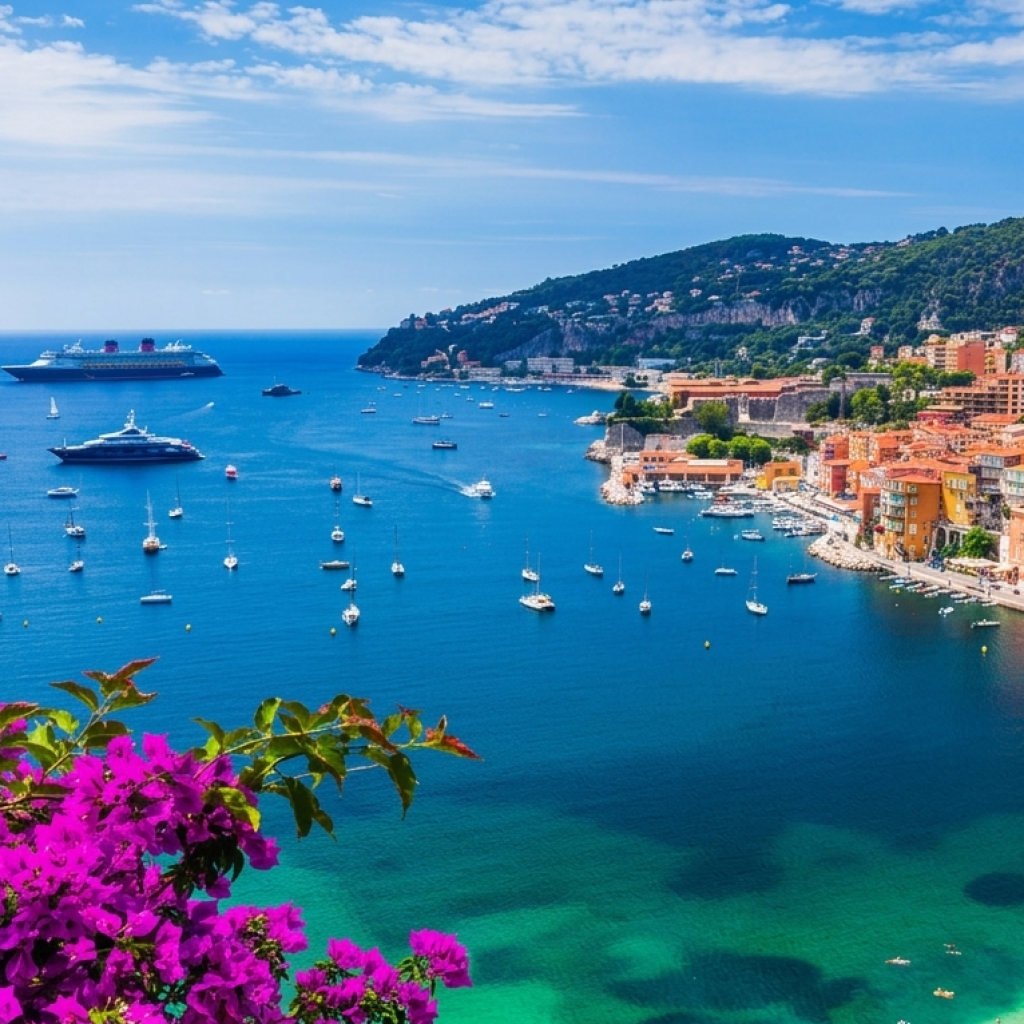
Villefranche sur Mer
Nestled between Nice and Saint-Jean-Cap-Ferrat, Villefranche-sur-Mer is one of the French Riviera’s most picturesque and authentic coastal towns. While destinations such as Cannes, Monaco, and Saint Tropez are often associated with glamour and international prestige, Villefranche offers something increasingly rare along the Côte d’Azur: a genuine Mediterranean atmosphere that has remained largely unchanged despite its world-famous setting. Built around one of the deepest natural harbours in the Mediterranean, the town unfolds across a hillside of colourful facades, narrow lanes, historic chapels, waterfront cafés, fishing boats, and panoramic viewpoints overlooking the dazzling blue waters of the Bay of Villefranche. Artists, writers, filmmakers, and visitors have long been drawn here for the scenery, but what continues to make Villefranche special is its balance between Riviera beauty and local character.
Highlights of Villefranche-sur-Mer
Bay of Villefranche (Rade de Villefranche)
Considered one of the most beautiful natural harbours in Europe, the Bay of Villefranche is the defining landscape of the town. Its exceptional depth has made it an important anchorage for centuries, attracting everyone from naval fleets to modern superyachts and cruise ships. The bay’s calm waters, dramatic hillsides, colourful waterfront, and ever-changing Mediterranean light create some of the Riviera’s most iconic scenery.
Old Town of Villefranche
The historic centre remains one of the Riviera’s most authentic old towns.
Steep stairways, hidden passageways, pastel buildings, stone archways, flower-filled balconies, and small local squares create a setting that feels remarkably preserved compared to many larger coastal destinations. The old town is best explored slowly, allowing visitors to discover hidden viewpoints, artisan shops, local cafés, and centuries-old architecture tucked into narrow streets.
Colourful Waterfront
Villefranche’s waterfront is among the most photographed locations on the French Riviera.
Rows of ochre, pink, orange, and terracotta buildings line the harbour, creating a postcard-perfect Mediterranean scene that has inspired artists for generations. The atmosphere remains distinctly local despite the town’s international popularity.
Deep-Water Harbour
The harbour continues to shape the identity of Villefranche. Luxury yachts, traditional fishing vessels, sailing boats, and visiting cruise ships all share the same bay, creating a fascinating blend of maritime activity throughout the year.
Riviera Coastal Scenery
Villefranche enjoys one of the Riviera’s most spectacular settings. Steep green hills rise directly from the sea while panoramic viewpoints reveal sweeping views stretching across the bay toward Saint-Jean-Cap-Ferrat, Beaulieu-sur-Mer, Nice, and the distant Alps.
Historic Sites & Cultural Attractions
Citadelle Saint-Elme
Built during the sixteenth century, this imposing fortress dominates the waterfront and remains Villefranche’s most important historic monument. Constructed under the orders of the Duke of Savoy, the citadel protected the strategically important harbour and continues to define the town’s skyline today. Inside visitors will find museums, cultural spaces, gardens, exhibition halls, and some of the finest harbour views in Villefranche.
Rue Obscure
One of Villefranche’s most fascinating historical sites. This medieval covered street dates back to the thirteenth century and stretches beneath portions of the old town. Originally designed for military defence and protection from attacks, it remains one of the most unusual architectural features on the Riviera. Walking through Rue Obscure feels like stepping into another era.
Chapelle Saint-Pierre
Overlooking the harbour, this small fishermen’s chapel became internationally famous after being decorated by French artist Jean Cocteau. Its interior murals celebrate local fishing traditions, Mediterranean life, and religious heritage, making it one of the Riviera’s most unique artistic landmarks.
Church of Saint-Michel
Built during the eighteenth century, this Baroque church contains ornate interiors, historical artworks, and important religious treasures connected to Villefranche’s heritage. Its bell tower remains one of the most recognisable landmarks within the old town.
Place Amélie Pollonnais
One of the town’s most beautiful public squares. Surrounded by colourful facades and overlooking the harbour, it provides a perfect setting for appreciating the atmosphere and architectural character of Villefranche.
Historic Harbour Quarter
The waterfront district itself is part of Villefranche’s cultural heritage. Traditional fishing boats, historic buildings, old maritime warehouses, and centuries of seafaring history remain visible throughout the harbour area.
Beaches & Coastal Areas
Plage des Marinières
Widely regarded as one of the finest beaches on the French Riviera. Unlike many Riviera beaches dominated by pebbles, Plage des Marinières offers a long stretch of sand and small pebbles overlooking the calm waters of the bay. The sheltered setting creates exceptionally clear water and ideal swimming conditions throughout the summer.
Darse Beach
Located near the historic port area, Darse Beach offers a quieter atmosphere than the main waterfront.
The setting combines coastal scenery with views of sailing boats, historic maritime structures, and the surrounding hillsides.
Villefranche Waterfront Promenade
The promenade follows the harbour and bay, connecting beaches, cafés, restaurants, and viewpoints.
It remains one of the most enjoyable walking areas anywhere on the Riviera.
Coastal Path to Saint-Jean-Cap-Ferrat
One of the Riviera’s most scenic coastal walks begins in Villefranche.
The route follows dramatic cliffs, secluded coves, rocky shorelines, and Mediterranean vegetation while offering continuous sea views.
Secret Swimming Coves
Several smaller coves and rocky swimming areas can be found around the bay and coastal paths.
These hidden spots are often favoured by locals seeking a quieter Mediterranean experience away from larger beaches.
Marinas & Waterfront Lifestyle
Port de la Santé
The main harbour remains the social and visual centre of Villefranche. Traditional fishing vessels, sailing yachts, luxury boats, waterfront cafés, and historic buildings combine to create one of the Riviera’s most charming ports.
Port de la Darse
One of the oldest maritime facilities on the French Riviera. Originally developed during the seventeenth century, the port retains a distinctly historical atmosphere and continues to serve both scientific and maritime purposes.
Sailing Culture
Villefranche’s protected bay has made it a natural centre for sailing for generations.
The calm waters provide ideal conditions for both experienced sailors and visitors exploring the Riviera by sea.
Waterfront Dining
The harbour is lined with restaurants and cafés where outdoor terraces overlook the bay.
Dining here is as much about the setting as the cuisine itself, particularly during sunset when the waterfront becomes one of the most atmospheric places on the Riviera.
Mediterranean Lifestyle
Perhaps more than anywhere else on the Côte d’Azur, Villefranche captures the essence of traditional Mediterranean living. Fishing boats, morning markets, waterfront gatherings, seaside cafés, and daily life revolving around the sea continue to define the town’s character.
Food & Local Specialties
Pissaladière
One of the region’s most iconic dishes. This traditional tart combines caramelised onions, anchovies, and olives, reflecting the culinary traditions of both Provence and the Mediterranean coast.
Fresh Mediterranean Seafood
Sea bass, sea bream, red mullet, octopus, anchovies, squid, and shellfish feature prominently throughout local menus. The town’s fishing heritage remains deeply connected to its gastronomy.
Bouillabaisse
Although more commonly associated with Marseille, this celebrated Mediterranean fish stew is frequently enjoyed throughout the Riviera and remains a local favourite.
Petits Farcis
A classic Provençal dish consisting of vegetables stuffed with seasoned meats and herbs. It represents the strong culinary traditions shared across the Côte d’Azur.
Socca
This thin chickpea pancake originated in nearby Nice but remains popular throughout Villefranche and the surrounding Riviera.
Provençal Rosé Wines
The French Riviera’s famous rosé wines pair naturally with seafood and Mediterranean cuisine. Many local restaurants showcase wines from nearby Provence vineyards.
Day Trips & Nearby Destinations
Saint-Jean-Cap-Ferrat
Nice
Èze
Monaco
Beaulieu-sur-Mer
Cap Ferrat Coastal Paths
Why Visit Villefranche-sur-Mer?
Villefranche-sur-Mer is one of the Riviera’s most scenic harbour towns and one of the easiest places to experience postcard-perfect Côte d’Azur scenery. Its deep natural bay, colourful waterfront, and compact historic centre create a setting that feels intimate compared to larger destinations such as Nice or Cannes. It is particularly appealing for travellers who want beautiful views, a relaxed atmosphere, and direct access to several Riviera highlights without staying in a major city.
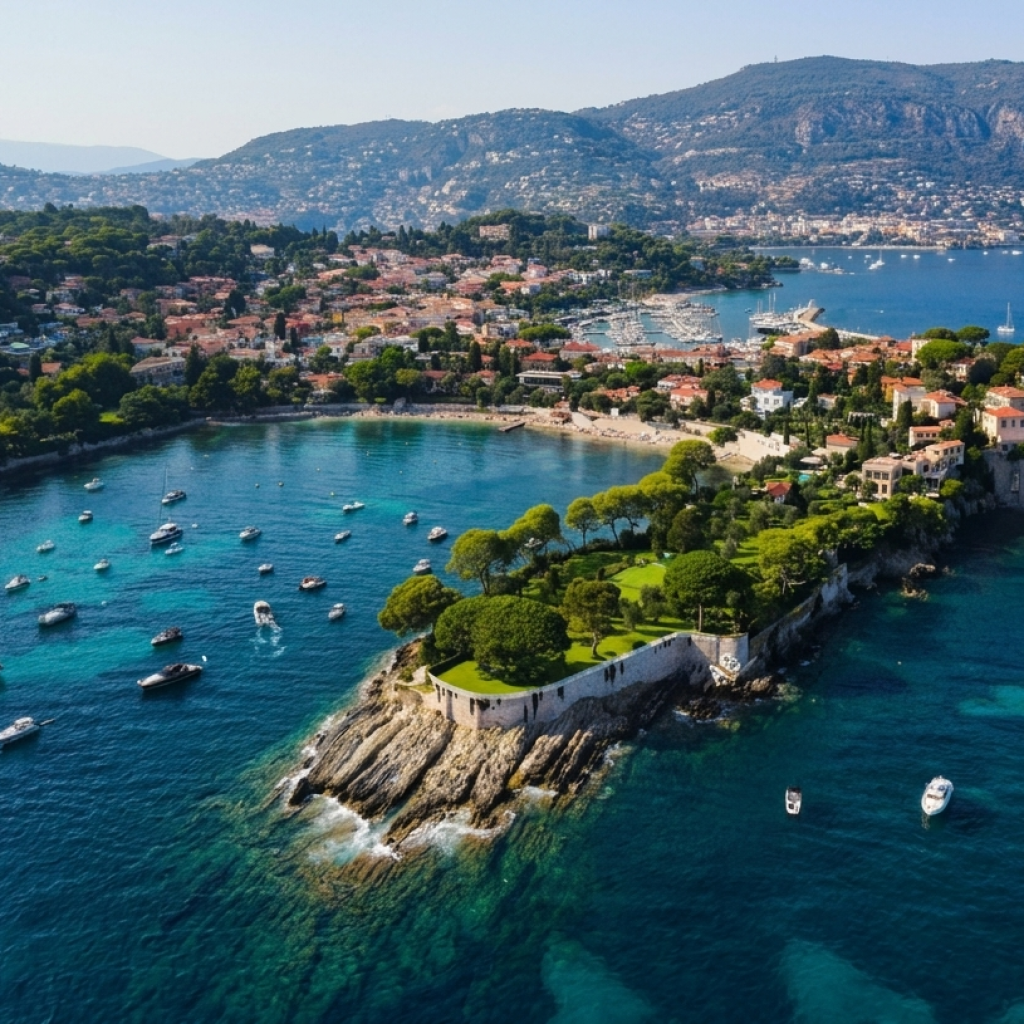
Saint Jean Cap Ferrat
Saint-Jean-Cap-Ferrat occupies one of the most exclusive and visually spectacular peninsulas in the Mediterranean. Extending into the sea between Nice and Monaco, this small destination has long attracted royalty, aristocratic families, artists, business leaders, seeking privacy, natural beauty, and understated Riviera elegance. Unlike Cannes, Monaco, or Saint-Tropez, Saint-Jean-Cap-Ferrat is not defined by nightlife, large events, or urban energy. Its appeal comes from something entirely different: quiet luxury, extraordinary coastal scenery, hidden coves, grand historic villas, botanical gardens, scenic walking paths, and a sense of timeless sophistication that has remained largely unchanged for decades. The peninsula is surrounded by crystal-clear waters, pine-covered headlands, elegant harbours, and some of the French Riviera’s most valuable private estates. Visitors come here to walk along the coastline, discover secluded beaches, explore legendary villas, enjoy long lunches overlooking the Mediterranean, and experience one of the Riviera’s most refined destinations.
Highlights of Saint-Jean-Cap-Ferrat
Peninsula Setting
Few places on the Riviera possess such a dramatic geographical position. Nearly surrounded by water, the peninsula offers panoramic views stretching toward Nice, Villefranche-sur-Mer, Beaulieu-sur-Mer, Monaco, and the distant Alps. Every section of the coastline presents a different perspective of the Mediterranean, creating an atmosphere that feels both secluded and connected to the wider Riviera.
Villa Heritage
Saint-Jean-Cap-Ferrat is home to some of the Riviera’s most legendary estates. For more than a century, aristocrats, royals, industrial families, and notable cultural figures have built residences here, transforming the peninsula into one of Europe’s most prestigious residential enclaves.
Coastal Walking Culture
Unlike many luxury destinations where access to the coastline is limited, Saint-Jean-Cap-Ferrat offers some of the Riviera’s finest public walking routes. The peninsula can be explored through scenic coastal paths that reveal hidden coves, rocky headlands, secluded swimming spots, and uninterrupted Mediterranean views.
Mediterranean Gardens
Exotic gardens flourish throughout the peninsula thanks to its mild climate. Palm trees, pines, olive trees, agaves, cacti, bougainvillea, and rare botanical species contribute significantly to the area’s landscape and visual identity.
Maritime Lifestyle
The sea shapes everyday life in Saint-Jean-Cap-Ferrat. Visitors regularly encounter sailing yachts, traditional fishing boats, luxury vessels, paddleboarders, swimmers, and divers sharing the same protected waters.
Riviera Elegance
Perhaps more than anywhere else on the Côte d’Azur, Saint-Jean-Cap-Ferrat represents the quieter and more refined side of Riviera life. Its appeal lies not in being seen, but in experiencing one of the Mediterranean’s most beautiful environments.
Historic Sites & Cultural Attractions
Villa Ephrussi de Rothschild
The most famous site on the peninsula. Built between 1905 and 1912 by Baroness Béatrice de Rothschild, the villa is one of the Riviera’s most extraordinary residences. Visitors can explore lavish interiors filled with artwork, antiques, tapestries, porcelain collections, and historic furnishings. Equally impressive are the surrounding themed gardens, which include French, Spanish, Florentine, Japanese, Provençal, and exotic landscapes overlooking the sea.
Villa Kérylos
Located on the edge of nearby Beaulieu-sur-Mer but closely connected to the peninsula’s cultural heritage. This unique residence was built as a recreation of an Ancient Greek noble house and offers one of the Riviera’s most unique architectural experiences.
Saint-Hospice Chapel
Situated near the tip of the peninsula, this small historic chapel dates back centuries and remains one of the area’s most atmospheric landmarks. Its location overlooking the sea adds to its significance.
Saint-Hospice Peninsula
Beyond the chapel itself, the surrounding peninsula contains centuries of local history, religious heritage, and some of the Riviera’s most beautiful coastal scenery.
Virgin Mary Monument
Standing prominently above the sea near Saint-Hospice, this large bronze statue has become one of the peninsula’s most recognizable landmarks.
Historic Fishing Harbour
The central harbour area preserves elements of Saint-Jean-Cap-Ferrat’s original fishing-village heritage, offering a glimpse into the destination before its transformation into an international Riviera retreat.
Beaches & Coastal Areas
Paloma Beach
The peninsula’s most famous beach and one of the Riviera’s most celebrated coastal locations.
Named after Paloma Picasso, the beach enjoys exceptional views toward Èze, Beaulieu-sur-Mer, and the cliffs of the eastern Riviera. Its combination of clear water, pine-covered surroundings, and scenic beauty has made it one of the most photographed beaches in southern France.
Passable Beach
Located on the western side of the peninsula. This beach faces toward Villefranche-sur-Mer and offers spectacular sunset views rarely found elsewhere along the Riviera. The calm waters make it particularly popular for swimming and paddleboarding.
Cros Dei Pin Beach
A quieter alternative that attracts visitors seeking a more relaxed atmosphere away from larger crowds.
Fossettes Beach
One of the peninsula’s hidden gems. Its transparent waters and sheltered setting make it particularly attractive for snorkeling and swimming.
Fossettes Cove
A small, secluded inlet surrounded by Mediterranean vegetation and rocky coastline.
Pointe Saint-Hospice
Although not a traditional beach, this coastal area offers some of the most spectacular swimming and sunbathing spots on the entire peninsula.
Hidden Rocky Coves
Numerous small coves can be discovered while walking the coastal paths, many accessible only on foot.
These locations contribute significantly to Saint-Jean-Cap-Ferrat’s reputation as one of the Riviera’s most exclusive coastal escapes.
Nature & Coastal Walks
Sentier du Littoral (Coastal Path)
The peninsula’s most famous outdoor experience.
This scenic trail circles much of Saint-Jean-Cap-Ferrat and offers continuous views of cliffs, hidden coves, pine forests, villas, and open Mediterranean waters.
It is widely regarded as one of the most beautiful coastal walks in France.
Pointe Saint-Hospice Walk
A particularly scenic section of coastline leading toward the southern tip of the peninsula.
The route combines maritime views, historic landmarks, and natural landscapes.
Cap Ferrat Lighthouse Area
The lighthouse occupies one of the highest points on the peninsula and offers magnificent views across the Mediterranean.
Pine Forest Landscapes
Large sections of the peninsula remain covered by maritime pine forests that help preserve its natural character.
Mediterranean Gardens & Landscapes
Throughout the peninsula, landscaped gardens and natural vegetation create a seamless blend between architecture and nature.
Marine Environment
The waters surrounding Saint-Jean-Cap-Ferrat support diverse marine life and are popular for snorkeling, diving, swimming, and boating.
Marinas & Waterfront Lifestyle
Saint-Jean Harbour
The heart of daily life on the peninsula. The harbour combines elegant waterfront cafés, sailing vessels, fishing boats, luxury yachts, and some of the Riviera’s most attractive maritime scenery.
Port de Saint-Jean-Cap-Ferrat
One of the most picturesque marinas on the Côte d’Azur. Unlike the larger ports of Cannes or Monaco, the atmosphere here feels intimate and refined.
Waterfront Promenade
The harbourfront is ideal for leisurely walks, dining, and enjoying views across the Mediterranean.
Sailing Culture
Saint-Jean-Cap-Ferrat has long been associated with sailing and private yachting. The protected waters surrounding the peninsula create ideal conditions for maritime activities throughout much of the year.
Riviera Boating Excursions
Many visitors explore nearby destinations such as Monaco, Villefranche-sur-Mer, Beaulieu-sur-Mer, Cap d’Antibes, and the Lérins Islands by boat.
Food & Local Specialties
Mediterranean Seafood
Seafood plays a central role in local gastronomy. Sea bass, red mullet, sea bream, lobster, prawns, octopus, and seasonal fish regularly feature on menus throughout the peninsula.
Bouillabaisse
The iconic Provençal fish stew still remains a classic Riviera dish and is widely enjoyed along the coastline.
Mediterranean Fish Grills
Fresh fish prepared simply with olive oil, herbs, and local vegetables reflects the culinary traditions of the Côte d’Azur.
Salade Niçoise
Originating from nearby Nice, this famous salad remains a staple throughout Saint-Jean-Cap-Ferrat.
Pissaladière
A traditional regional speciality featuring caramelized onions, anchovies, and olives.
Provençal Cuisine
The flavours of Provence are visible throughout local dining, from olive oils and herbs to seasonal vegetables and fresh seafood.
Rosé Wines of Provence
The peninsula’s waterfront lifestyle pairs naturally with the region’s renowned rosé wines, which remain among the most popular accompaniments to Riviera dining.
Artisan Pastries & Desserts
Local cafés and bakeries continue the Riviera tradition of fresh pastries, tarts, citrus desserts, and seasonal specialties.
Day Trips & Nearby Destinations
Villefranche-sur-Mer
Beaulieu-sur-Mer
Èze
Nice
Monaco
Cap d’Antibes
Menton
Why Visit Saint-Jean-Cap-Ferrat?
Saint-Jean-Cap-Ferrat is widely regarded as the French Riviera’s most prestigious peninsula. Unlike Monaco’s urban luxury or Saint-Tropez’s social scene, its appeal lies in tranquillity, privacy, and exceptional natural beauty. Grand villas, famous gardens, secluded coves, and some of the Riviera’s finest coastal paths define the destination. Visitors come here to experience one of the Mediterranean’s most exclusive and scenic environments, where the landscape itself is the main attraction.
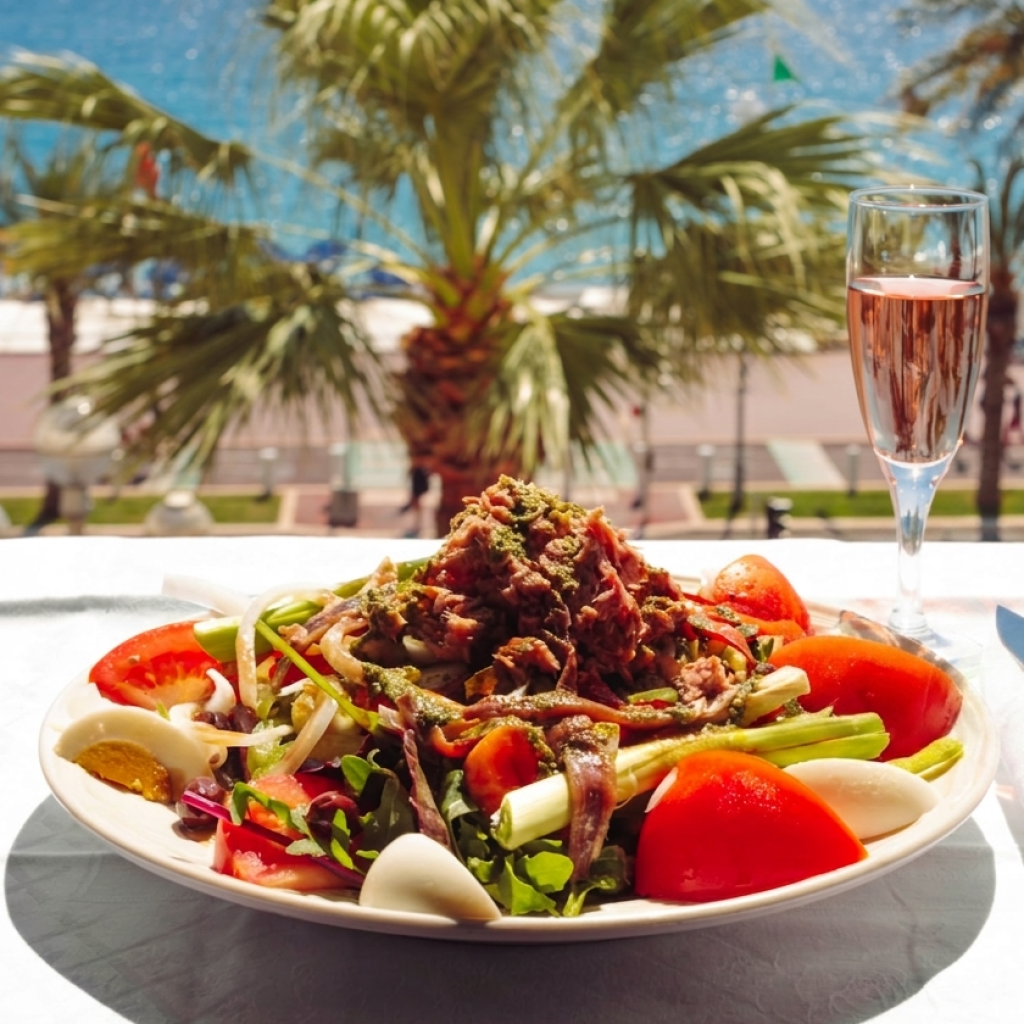
Food & Cuisine
The French Riviera’s culinary identity is shaped by the Mediterranean Sea, Provençal traditions, Italian influences, and generations of local fishing and farming communities. While each destination along the Côte d’Azur has its own character, the region shares a strong emphasis on fresh ingredients, seasonal produce, olive oil, seafood, herbs, vegetables, and simple preparations that allow local flavours to shine. Throughout this guide, we’ve highlighted many of the Riviera’s most iconic dishes and specialties associated with each destination, from Socca, Pissaladière, and Petits Farcis in Nice, to the seafood traditions of Cannes, the Mediterranean cuisine of Saint-Tropez, and the citrus-inspired gastronomy that defines Menton. Visitors will also encounter regional classics such as Salade Niçoise, Bouillabaisse, Aioli, freshly grilled fish, Mediterranean shellfish, Provençal vegetable dishes, artisanal cheeses, and locally produced olive oils. Food is an essential part of daily life across the Riviera. Open-air markets, seaside restaurants, family-run bistros, waterfront cafés, and harbour-side seafood establishments offer opportunities to experience the region’s culinary traditions in authentic settings. Whether dining overlooking a yacht-filled marina, exploring a local market in a historic old town, or enjoying a long Mediterranean lunch beside the sea, the French Riviera offers one of France’s most rewarding gastronomic experiences.
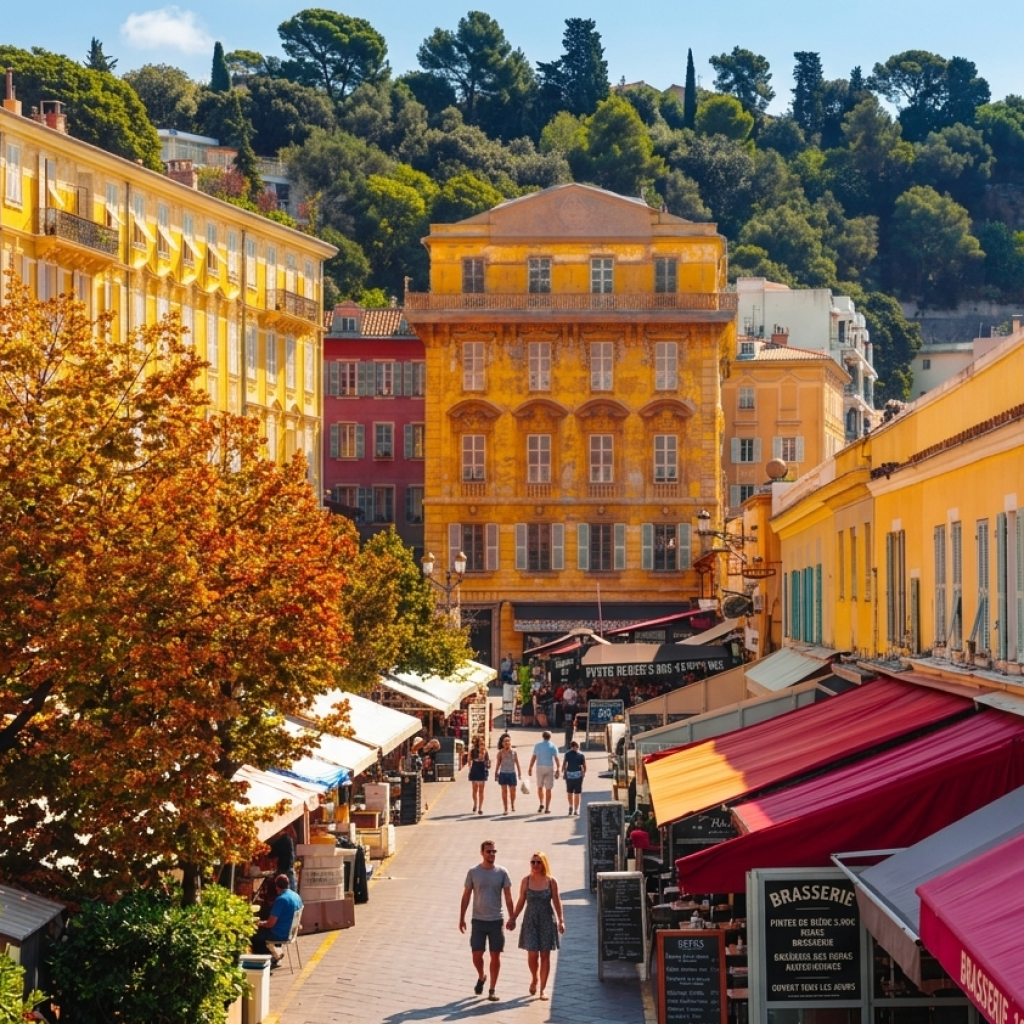
Getting Around
Despite its reputation as a luxury destination, the French Riviera is surprisingly easy to explore. The region benefits from one of the most efficient transportation networks in southern Europe, allowing visitors to move between coastal towns, beaches, villages, and major attractions with relative ease. The backbone of Riviera transportation is the coastal railway connecting destinations such as Menton, Monaco, Èze-sur-Mer, Villefranche-sur-Mer, Nice, Antibes, Cannes, and Saint-Raphaël. For many visitors, trains provide the most convenient way to explore the coastline, offering scenic Mediterranean views while avoiding seasonal traffic. Extensive bus networks connect both coastal destinations and inland villages, including places that are not directly served by rail. Ferries and seasonal boat services operate between selected ports during the warmer months, providing a particularly scenic way to experience the coastline from the sea. Visitors wishing to explore hidden coves, mountain villages, vineyards, and less accessible areas often choose to rent a car, although parking can become limited during peak summer periods. Most major destinations are also highly walkable. Historic centres such as Nice, Antibes, Menton, Saint-Tropez, Villefranche-sur-Mer, and Saint-Jean-Cap-Ferrat are best explored on foot, allowing visitors to fully appreciate their architecture, waterfronts, local markets, and Mediterranean atmosphere.
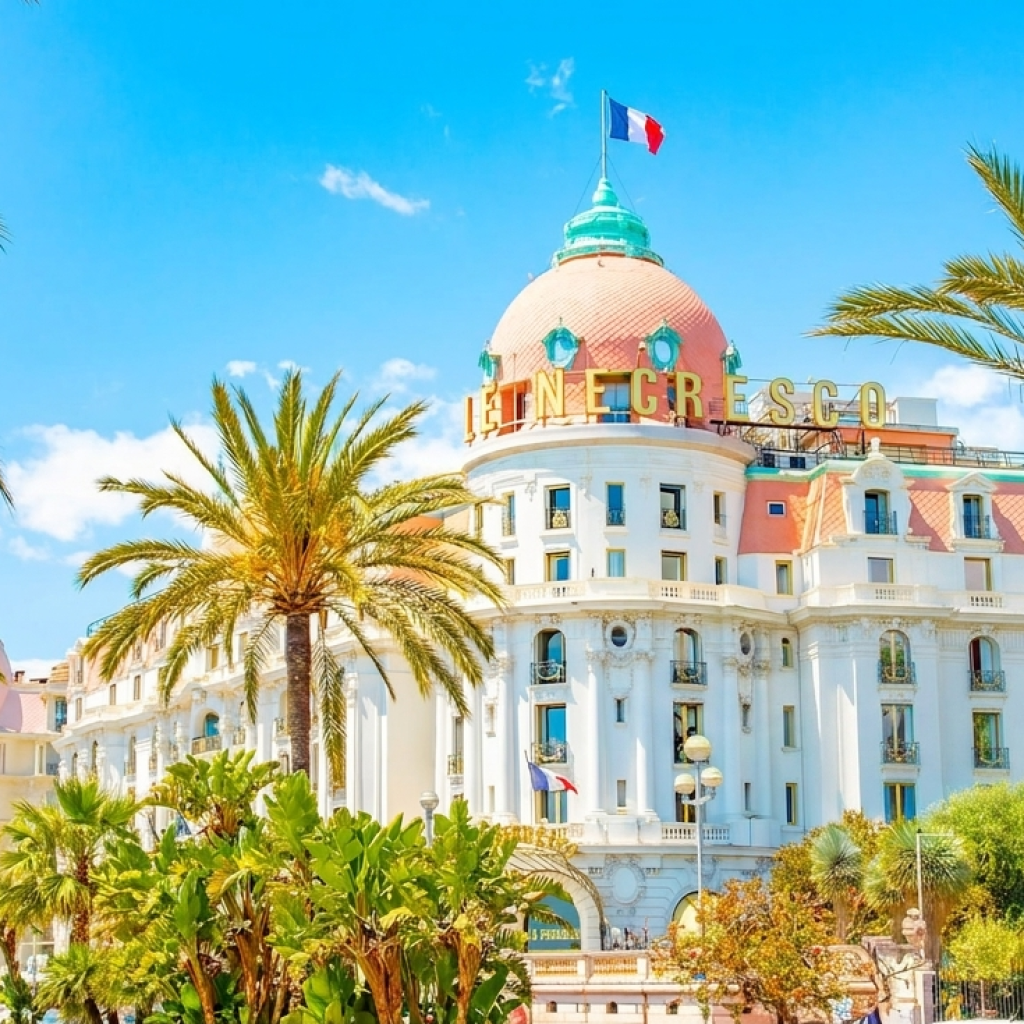
Best Time to Visit
One of the reasons the French Riviera remains one of Europe’s most desirable coastal destinations is its year-round appeal. Thanks to its Mediterranean climate, allowing visitors to experience the Côte d’Azur in every season. While summer is often associated with beach clubs, yachting, and the Riviera’s famous social scene, spring and autumn offer pleasant temperatures and a more relaxed atmosphere, while winter reveals a quieter side of the coastline shaped by local life, cultural attractions, and scenic coastal landscapes. The best time to visit ultimately depends on the type of experience you’re seeking, whether that’s beaches and nightlife, sightseeing and road trips, outdoor activities, or a slower Mediterranean escape.
Spring (march – May)
Spring is often considered one of the most enjoyable times to visit the French Riviera. Temperatures become increasingly pleasant, flowers bloom throughout coastal gardens and villages, and outdoor cafés begin filling with locals and visitors. The atmosphere remains relatively relaxed compared to summer, making it ideal for sightseeing, coastal walks, road trips, photography, and exploring destinations such as Èze, Saint-Jean-Cap-Ferrat, Antibes, and Menton without large crowds.
Summer (June – August)
Summer represents the Riviera at its most energetic and internationally renowned. Beach clubs, marinas, waterfront restaurants, festivals, and coastal resorts operate at full capacity, while destinations such as Saint-Tropez, Cannes, Monaco, and Cap d’Antibes attract visitors from around the world. Long sunny days, warm Mediterranean waters, yachting activities, and vibrant nightlife create the classic French Riviera experience. This period is best suited for travellers seeking beaches, social events, luxury experiences, and the lively atmosphere for which the Côte d’Azur is famous.
Autumn (September – October)
Many experienced travellers consider early autumn the Riviera’s hidden season. The sea remains warm after summer, temperatures stay comfortable, and the busiest crowds begin to disappear. Beaches, restaurants, and attractions remain open while the overall pace becomes noticeably more relaxed. September and October are particularly well suited for coastal exploration, outdoor dining, sailing, and enjoying destinations such as Nice, Antibes, Villefranche-sur-Mer, and Saint-Tropez with a more balanced atmosphere.
Winter (November – February)
Winter offers a quieter and more local perspective of the French Riviera. While swimming and beach-focused holidays become less common, mild Mediterranean temperatures allow visitors to comfortably explore historic centres, museums, markets, gardens, and coastal promenades. Cities such as Nice and Monaco remain lively year-round, while smaller destinations provide a peaceful setting for cultural exploration and scenic coastal escapes. Winter is particularly appealing for travellers seeking fewer crowds, lower accommodation rates, and a more authentic view of everyday life along the Côte d’Azur.
